SC seeks legal heirs of World War II veteran who died before war injury pension was granted
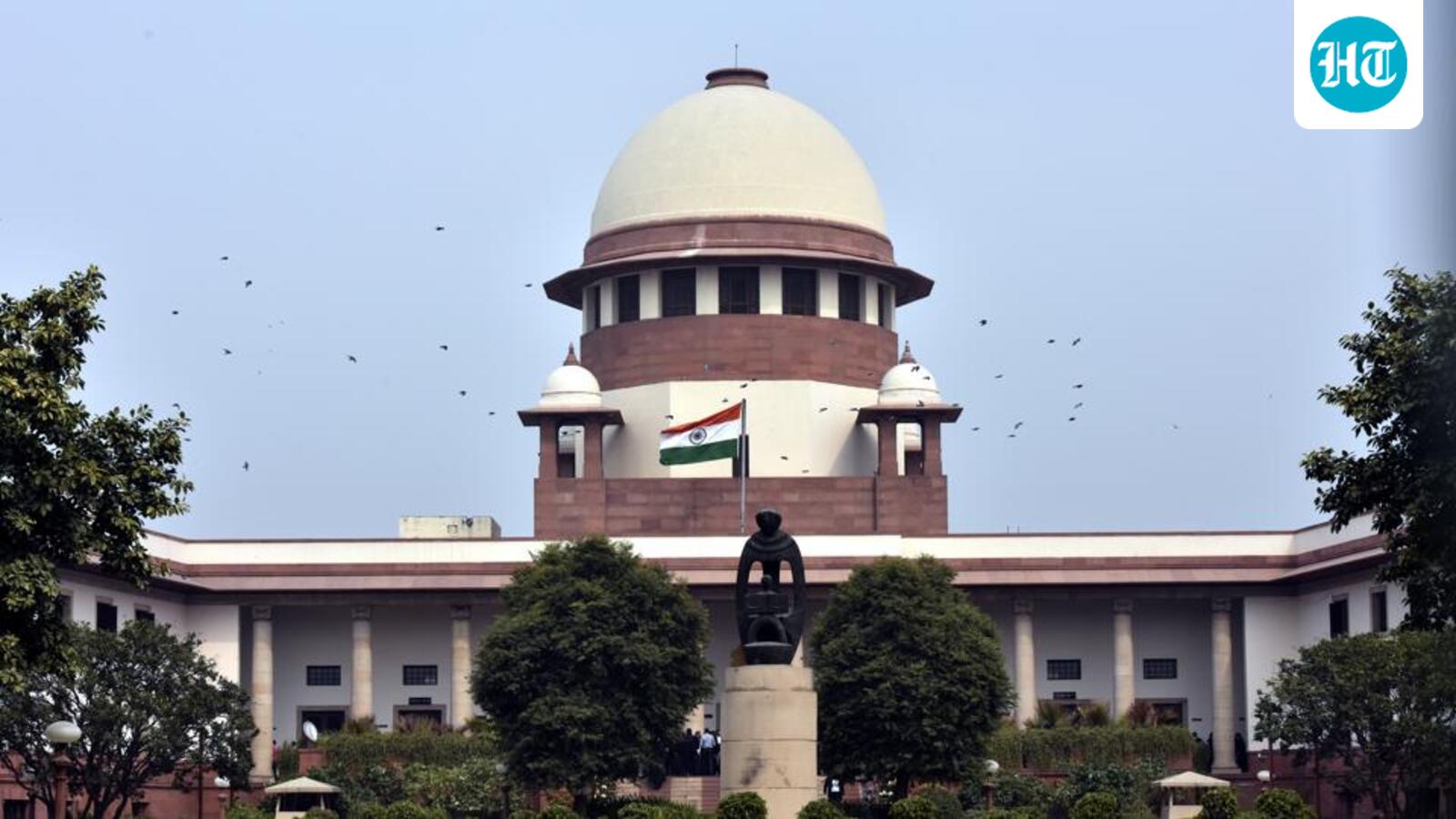
The Supreme Court on Wednesday said it would examine whether the court had been misled after learning that a World War II veteran, in whose favour it had upheld a war injury pension order, had died in January 2019 — nearly two years before the Armed Forces Tribunal (AFT) granted him the pension.
A bench of Chief Justice of India (CJI) Surya Kant and Justice SVN Bhatti directed the Army to make every effort to ascertain the legal heirs of ex-rifleman Govind Singh Rawat. It also directed the Senior Superintendent of Police (SSP) and the station house officer (SHO) concerned to provide full assistance to Army officials in identifying the legal heirs. The court asked the Army to submit a report in this regard when the matter is next heard.
Also Read | Supreme Court seeks Centre’s response on delay in finalising judges’ appointment procedure
“If fraud has been played on court, we have to detect it,” the bench said, while issuing notice on a review petition filed by the Centre, the Chief of Army Staff and others seeking recall of an October 17, 2023, judgment in which the top court dismissed the Centre’s appeal against the grant of pension.
The Centre’s appeal was dismissed due to a delay of 457 days in challenging the Lucknow bench of the AFT’s order granting the war injury pension. On June 4, 2021, the AFT directed the grant of war injury pension to Rawat, who had approached the tribunal on September 9, 2020. The order restricted the payment of arrears to three years prior to the filing of the petition before the tribunal.
It was only when the Army began implementing the order that it learnt Rawat had died on January 17, 2019, and that the person who filed the petition before the AFT was subedar major and honorary captain Gamal Singh Rawat.
Additional solicitor general (ASG) Archana Pathak Dave, appearing for the Centre, told the court, “We have the record of his death certificate. But we do not know who his legal heirs are. Throughout all proceedings before the tribunal, this petitioner (who died) was represented by a lawyer. It was only when we sought bank details and cancelled cheques to comply with the AFT order that we came to know of his death.”
Also Read | HT exclusive: CJI Surya Kant pulls two cases from justice Ahsanuddin Amanullah over PIL roster
The Army also checked its records and confirmed that Gamal Singh Rawat and Govind Singh Rawat were not related. However, Gamal had supplied his bank details to the Army to receive the pension benefits.
Citing the discovery of the death certificate as a “new” and “vital” fact, the petition filed by the Centre said, “The present review petition pertains to an act of probable fraud being played by a person (Gamal Singh Rawat) for obtaining a judicial verdict on behalf of the respondent (Govind Singh Rawat).”
The court asked the Army authorities why they had not verified this fact at the earliest stage, while responding to the petition filed by Rawat before the AFT. ASG Pathak said that the petitioner was represented by a lawyer, prompting the bench to remark, “His advocate was present, not he.” The court also observed that the Army had its military intelligence which could have been useful in this regard.
The Army pointed out that it had received no information about Rawat’s death before all his service records were destroyed in 2000.
Rawat was enrolled in the Army’s Royal Garhwal Rifles regiment before Independence, in September 1941, and was invalidated out of service on April 6, 1947, months before India gained independence.
His service rolls showed that he was injured in a battle in Italy during the Second World War. More than 63 years after being invalidated out of service, he approached the Garhwal Rifles regiment in 2011 for the grant of the ‘war injury element’.
The Principal Controller of Defence Accounts (Pension), Allahabad, returned his claim as “unactioned”, saying that the war injury pension could be claimed only by soldiers who were either killed or suffered disabilities during the wars of 1971, 1965, 1962 or the 1947-48 operations.
The rejection order was issued on June 26, 2020, and communicated to Rawat in July 2020. He filed a petition before the AFT challenging this order.
KioskNews shows a cleaned-up reading view extracted from the publisher’s page — the original always lives on their site, not ours.