Western Melbourne jobless rate hits pandemic-era high
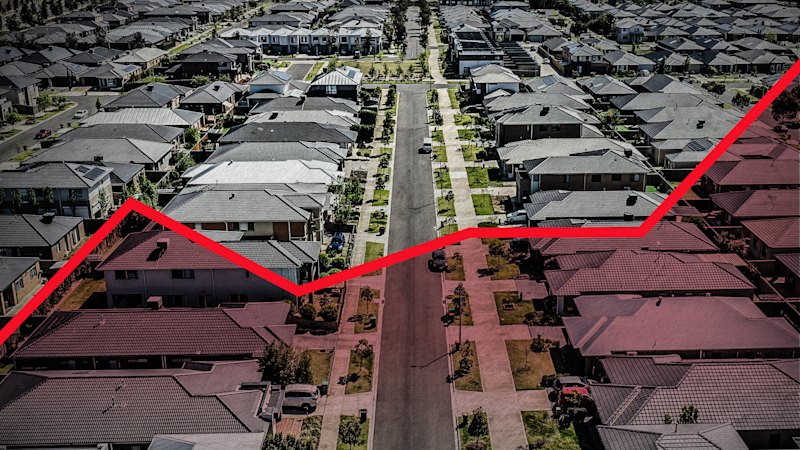
Unemployment in Melbourne’s outer western suburbs has climbed to its highest level since the depths of the pandemic as higher interest rates and inflation combine to weaken the jobs market and squeeze family budgets.
Even as evidence grow that the AI data construction boom is approaching levels not seen since the mining boom of the early 2010s, figures from the Bureau of Statistics show that in the Wyndham area the unemployment rate has reached 8 per cent, with surrounding suburbs not far behind.
The national unemployment rate reached 4.9 per cent in October, with the country shedding almost 80,000 jobs over the past two months. Despite inflation hitting 4.9 per cent in October, financial markets believe the Reserve Bank will start cutting interest rates from August to support the rapidly softening jobs market.
This week, Treasurer Jim Chalmers said his mid-year budget update will show that Treasury expects unemployment is likely to climb above 5 per cent in 2027.
The combination of high unemployment and inflation has sharply lifted pressure on Chalmers to unveil spending cuts in next month’s budget update, with the opposition demanding the treasurer be sacked.
The regional unemployment figures from the bureau highlight that parts of the country are already dealing with job losses before the full impact of the Reserve Bank’s most recent rate hikes filter through the economy.
In Wyndham, which covers suburbs including Hoppers Crossing, Werribee and Wyndham Vale, the number of people out of work has climbed by 3500 or more than 27 per cent over the past 12 months.
The jobless rate in the area had fallen to 6.4 per cent in December, but it has spiralled to 8 per cent since the RBA started tightening monetary policy.
In neighbouring Brimbank, the unemployment rate has climbed to 6.7 per cent from 5.6 per cent, with the number of people out of work climbing by a fifth or 1300 people.
Melbourne’s south-east suburbs are not being spared, with the jobless rate in the southern parts of the Casey area jumping to 7.2 per cent. In Casey’s northern suburbs, unemployment has also lifted, from 5.3 per cent to 6.4 per cent.
The western suburbs of both Sydney and Melbourne are exposed most to the sharp lift in interest rates and inflation. High petrol prices, which have climbed by more than a third since the start of the war against Iran, have delivered particular financial pain.
The highest unemployment rate is in Chalmers’ seat of Rankin, hitting 8.7 per cent in the suburbs of Springwood and Kingston. A year ago, the jobless rate in these areas was 7 per cent.
Unemployment is also rising quickly in other parts of Queensland, including Ipswich, Caboolture, the state’s far west and Maryborough.
Women are paying the highest price for the unemployment increase. Across Melbourne’s western suburbs, the female jobless rate has climbed from 5.8 per cent to 7.8 per cent. Among men, it has risen from 6 per cent to 6.6 per cent.
It’s a similar story in Sydney. In Parramatta, female unemployment has climbed by 1.2 percentage points from 5.7 per cent to 6.9 per cent. Among men, the jobless rate in the area is 6 per cent.
The increase in unemployment is occurring despite one of the nation’s largest construction booms.
Bureau of Statistics figures released on Thursday showed private spending on new buildings and equipment jumped by 18.6 per cent over the past year. It reached $59.7 billion in the September quarter, the highest level since 2014.
In the September quarter alone, capital spending jumped by 12.2 per cent due largely to a 23.1 per cent jump in spending on new equipment and machinery such as computer servers for data centres. It was the single largest quarterly increase since the early stages of last decade’s mining boom.
And businesses are not showing signs of plans to slow down. Expected spending was lifted by 11.8 per cent to a record $223 billion through 2026-27.
NSW and Victoria are attracting the most AI investment, with spending in both lifting by more than a third over the past 12 months.
Chalmers described the figures as “absolutely stunning”, saying they confirmed that capital spending by the private sector was “booming”.
But under pressure from the Coalition over the state of the jobs market, the treasurer admitted the situation was poor.
“When it comes to the tick-up in unemployment, we have acknowledged that for those Australians who are impacted, then that is very bad development,” he told parliament.
AMP economist My Bui said the investment boom in AI-related technology had grown on average by 46 per cent a year since 2001.
She said private business investment remained strong despite the lift in interest rates, although that situation could change.
“The outlook for next year will be tougher though, as higher cash rates and bond yields will make it harder for firms to finance their capex plans and the productivity gains from AI are yet to arrive.”
Cut through the noise of federal politics with news, views and expert analysis. Subscribers can sign up to our weekly Inside Politics newsletter.
KioskNews shows a cleaned-up reading view extracted from the publisher’s page — the original always lives on their site, not ours.