47 Years Later, the Greatest War Movie's Final Line Still Officially Defines the Genre

Conor Sheeran is a Movies and TV features writer for Collider. He has a deep passion for cinema and watches everything from the biggest blockbusters to the smallest indies. While he specializes in movies and television, he has also written about politics, culture, and sports throughout his career.
Based in New York City, Conor is also a massive fan of the New York Jets, Mets, and Knicks. He is still waiting for any of those teams to bring home a championship in his lifetime.
A member of the National Writers Union and the International Federation of Journalists, Conor is a strong proponent of press freedom and collective action.
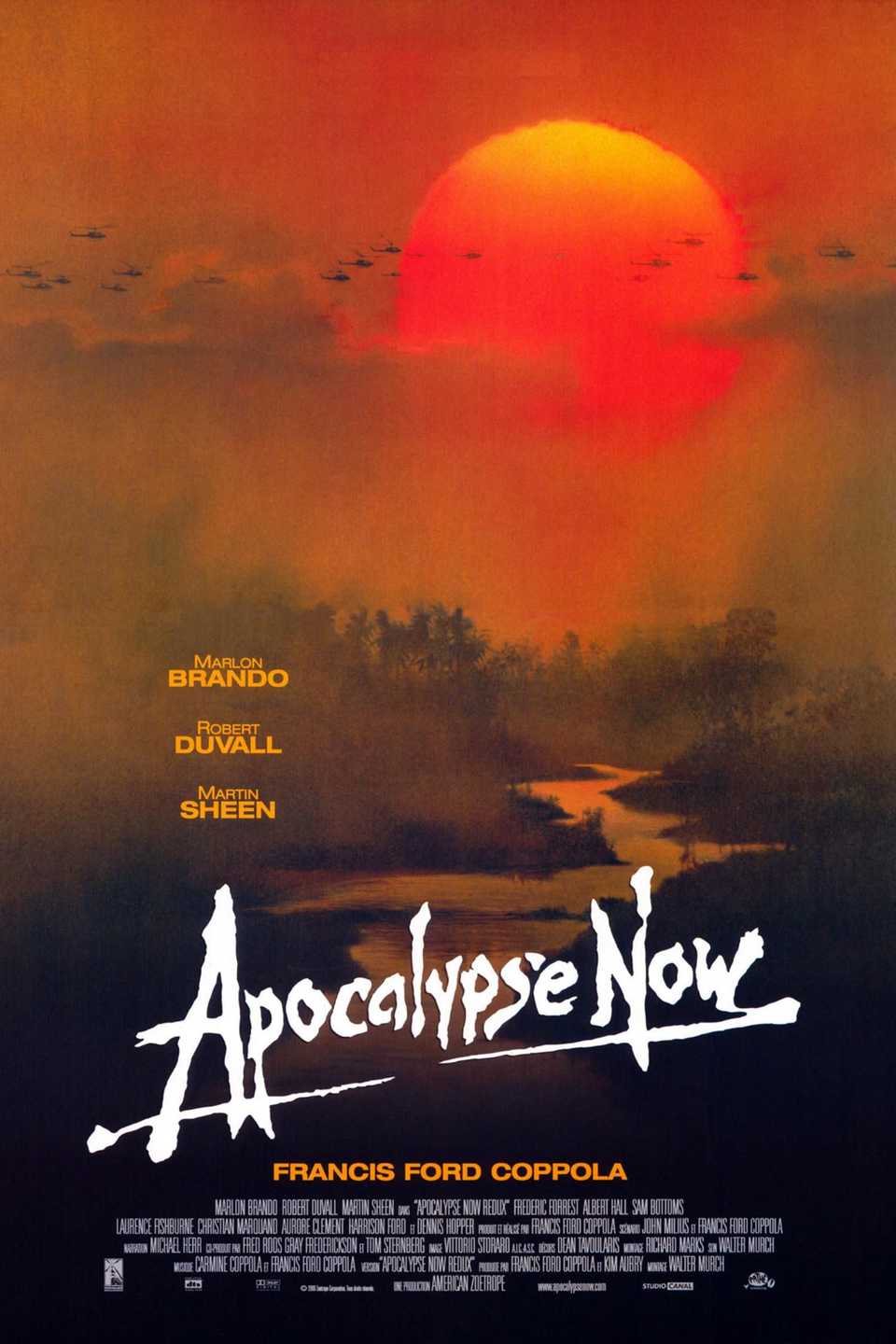
War is something that many of us don't know firsthand, and many of us will never understand. Movies attempt to rationalize and dramatize it with stories of victory, defeat, survival, or sacrifice. While many of these films have earned their place among cinema's most legendary features, few have captured the experience and presented it without the glory or the valor; simply put, few have presented it with horror. This is why the final line of Francis Ford Coppola's Apocalypse Now continues to hit hard, even 47 years after its release, and why it's one of the greatest endings in any war movie.
During the film's climax, as the villainous Colonel Walter Kurtz (Marlon Brando) lies dying before Captain Willard (Martin Sheen), Kurtz utters the words that the movie has become known for, and have continued to define the entire war genre: "The horror...the horror." It is a line borrowed from the book Heart of Darkness, the novella that Apocalypse Now is loosely based upon. By the time Kurtz utters the words, the movie has dragged Willard and the audience through every form of madness that war and the jungle could inflict on them. It's precisely why the line still hits as hard as it does, nearly 50 years later. War movies can be thrilling and inspiring, but, at the end of the day, war isn't entertainment, and the best films find ways to confront violence and what it does to people. With just one line, Apocalypse Now strips away the mythology of war and leaves behind the ugliest truths.
Kurtz's Final Words Explain the Entire Movie
In Apocalypse Now, Colonel Kurtz is a rogue US Army Special Forces officer who, after disobeying orders, leads his own private force of soldiers and runs missions with no guidance or orders. Based in Cambodia during the Vietnam War, his actions cause military commanders to organize a mission to terminate him "with extreme prejudice." As Willard embarks on assassinating Kurtz, his journey drags him through the worst that war has to offer, something that Kurtz understands more than most. The Colonel is never presented as simply insane; rather, he comprehends war more clearly than nearly everyone else around him. What has left him broken and teetering on the edge is his realization that successful warfare hinges on people abandoning the morality they claim to be defending.
His abandonment of morality is what makes "the horror...the horror" even more powerful. He isn't describing his actions; he is describing the world that created him. His final words apply to the bodies littering his compound, Willard's attack, civilians killed during the movie's infamous helicopter assault, and the machinery of war itself. Even Kurtz's death is treated less like a heroic moment where the bad guy has been stopped, and more like the slaughter of an animal. Willard completes his mission, but he feels no victory. Kurtz may be dead, but the war continues.
'Apocalypse Now' Understands That Victory Isn't the Point

The legacy of Apocalypse Now can be felt in nearly every serious war film that followed it. Movies like Platoon, Full Metal Jacket, Saving Private Ryan, The Thin Red Line, and Come and See differ in style and perspective, but they all grapple with a similar question: What does war do to the people forced to experience it? That is the question Kurtz's final words seem to answer. "The horror" isn't just about violence; it's about how it reshapes a person's morality. When someone becomes engulfed and buried in battle, it can be surprising how quickly they adapt to the unthinkable. The psychological damage follows soldiers and civilians long after the shooting stops.
It's why Apocalypse Now remains so difficult for audiences to forget, nor should they. Coppola gives the viewer exceptional visuals of helicopters, explosions, and jungle landscapes, but he never lets spectacle become the final point. When the screen fades to black, Kurtz's words that define a genre remain: "The horror...the horror."
47 years later, no war movie has found a better way to say it.
- Release Date
- August 15, 1979
- Runtime
- 147 minutes
- Director
- Francis Ford Coppola
- Writers
- Joseph Conrad, John Milius, Francis Ford Coppola, Michael Herr
KioskNews shows a cleaned-up reading view extracted from the publisher’s page — the original always lives on their site, not ours.