Barracks: Police IGP Disu takes reconstruction to the ground
FOR years, the decrepit state of police barracks across Nigeria has been a recurring symbol of the difficult conditions under which many police officers and their families live.
From leaking roofs and cracked walls to overcrowding, poor sanitation and inadequate water supply, the condition of some barracks has raised persistent questions about police welfare and, by extension, the ability of the Nigeria Police Force to maintain the morale of its personnel.
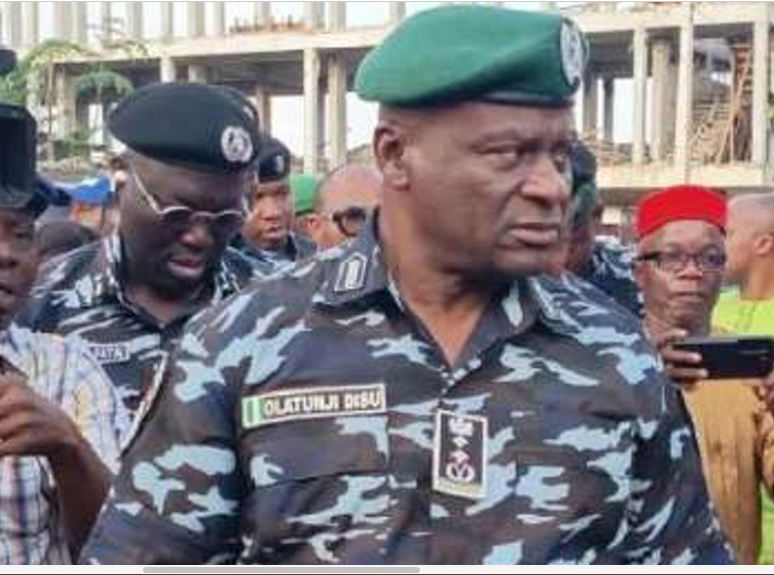
In Lagos, where several old barracks have either been demolished or earmarked for reconstruction, the uncertainty has been particularly difficult for affected officers. It is against this background that Inspector-General of Police, Olatunji Disu, recently undertook an inspection tour of police housing projects across the state.
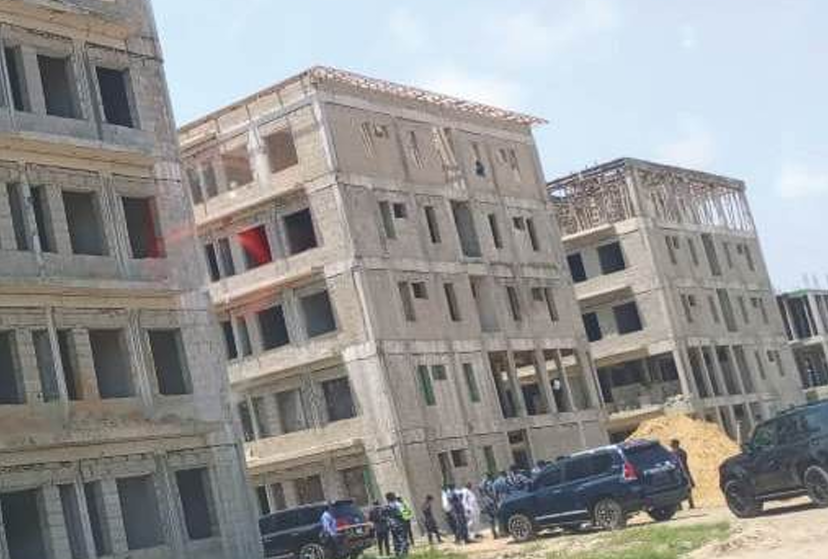
The tour took him to about 21 housing projects at various stages of development. Beyond inspecting construction sites, the exercise offered the police leadership an opportunity to engage contractors and other stakeholders and assess the reasons for delays. At some locations, the IGP expressed dissatisfaction with the pace of work, making it clear that the welfare of officers could not be separated from effective policing.
A Long Wait for Home
The inspection came months after several police barracks in Lagos were cleared to make way for reconstruction. For affected officers, however, demolition meant more than the loss of old buildings. It meant uprooting families, finding temporary accommodation and, in some cases, moving far away from their places of work.
Disu acknowledged the frustration, noting that although he had spent only about six months in office at the time, the accommodation problem had existed for considerably longer.
He expressed optimism that some of the ongoing projects could become habitable by December or January, depending on the pace of construction. That timeline is significant for officers who have already endured prolonged displacement.
The Lagos Programme
Under a directive dated May 15, 2024, the first phase of the Lagos barracks redevelopment programme covered Falomo; Police Mounted Troops/Ribadu, Ikoyi; Alausa Police Barracks; Obafemi Awolowo Way, Ikeja; Federal Highway Patrol Barracks, Yaba; and Iponri Police Barracks Surulere.
The Nigeria Police Force Property Development and Construction Company was directed to commence the reconstruction programme.
The directive also provided for compensation to verified occupants before demolition and required those who had received approved payments to vacate the affected premises.
But the compensation process generated complaints from some officers. While the approved figure was reportedly N2 million in some cases, some personnel alleged that they received less than the stated amount, with one officer claiming to have been shortchanged by as much as N1 million.
Such allegations require proper verification, but they illustrate the anxiety surrounding a process that has already disrupted the lives of many police families.
Memories of Unfinished Promises
For some officers, the present exercise also carries memories of earlier redevelopment schemes that did not produce the promised transformation.
Barracks and police properties in places such as Mobolaji Bank Anthony Way, Ikeja GRA, Zone 2, Onikan, Obalende and Ijeh have, at different times, been associated with disputes, relocation or redevelopment concerns.
There have also been claims about proposed demolition of the Alausa Police Barracks and resistance from persons asserting ownership interests in the land.
Such claims, particularly where they involve ownership or legal proceedings, require documentary and judicial verification before they can be treated as established facts.
What is clear, however, is that repeated changes in police leadership have left some officers wary of promises that accompany new reconstruction programmes.
A National Problem
The problem extends far beyond Lagos. Across the country, police personnel in cities such as Onitsha, Maiduguri, Ibadan, Calabar, Lokoja and Umuahia have faced varying degrees of accommodation challenges.
Many police barracks date back to the colonial period or the early years after independence. Decades of inadequate maintenance, limited funding and administrative difficulties have taken their toll.
• IGP Tunji Disu
The result is a housing crisis with three broad dimensions: dilapidated accommodation, insufficient housing and disputes over police land and property.
For officers unable to secure barracks accommodation, renting privately can impose another financial burden, particularly on junior personnel whose salaries must cover the needs of their families.
A Different Approach?
Disu’s decision to personally inspect the reconstruction sites has injected a measure of urgency into a problem that has lingered for decades.
The significance of the exercise, however, will not ultimately be measured by the number of sites visited or promises made. It will be measured by whether contractors meet deadlines, whether funds are transparently applied and whether displaced officers actually return to decent accommodation.
The IGP has also spoken of making better use of the police mortgage scheme and working with partners to develop affordable housing, particularly for rank-and-file personnel.
That focus is important. Junior officers constitute the bulk of the Force, and many are likely to have the least capacity to absorb the cost of prolonged displacement or private accommodation.
From Inspection to Delivery
The current reconstruction programme has created a new expectation among police personnel: that the demolition of old barracks will finally lead to better homes rather than another cycle of displacement and uncertainty.
Disu’s inspection has brought the issue back into focus and signalled a more hands-on approach to police housing.
But the real test lies ahead.
If the December-January target is met at the relevant sites, displaced officers and their families will have tangible evidence that the reconstruction programme is moving beyond promises.
For a police officer who has watched his barracks demolished, found temporary shelter for his family and waited months for a new home, that is what will ultimately matter—not another inspection, but the key to a decent house.
KioskNews shows a cleaned-up reading view extracted from the publisher’s page — the original always lives on their site, not ours.