Rio Tinto sees lithium output impacted by Argentina rainfall
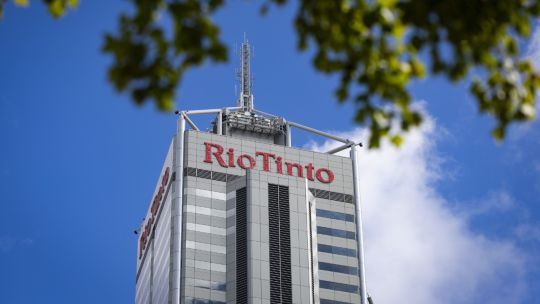
Rio Tinto Group said lithium output for the full year would be at the lower end of guidance after weather impacted its operations in Argentina.
The Olaroz project will produce less of the battery metal from brine ponds due to rainfall, while its Fenix operation was also affected, Rio Tinto said in its third quarter report on Wednesday. Progress at its brine project under construction, Sal de Vida, has also been slower than expected. Lithium is typically sourced by evaporating brine or by mining hard rocks.
Rio Tinto is the only diversified major miner with lithium assets, after buying a major producer in 2024. The market has been volatile in recent years due to shifting expectations for electric vehicles and energy storage systems, as well as supply uncertainties in production hubs like China and Zimbabwe. Prices have pulled back in recent weeks on mounting concerns over demand, with Goldman Sachs Group this month forecasting a move into a surplus over the next two years.
Lithium carbonate equivalent production will be around 61,000 tons in the year ending December 31, the world’s second-biggest miner said. Outlooks for both copper production and iron ore sales were unchanged.
Copper output remained steady in the third quarter as a strong performance at its Mongolian mine offset declines elsewhere, while shipments of iron ore rose marginally.
Copper, which accounted for over a third of the miner’s earnings in the first half of the year, is a vital part of the group’s plans to capitalize on soaring electrification demand from the energy transition and data centers. Production for the three months ending in September was 205,000 tons.
Output from its Escondida mine in Chile fell due to lower ore grades, a brief shutdown and severe weather, Rio Tinto said. This was offset by an increase from Mongolia’s Oyu Tolgoi, where the miner is expanding underground operations.
Sales of key steelmaking ingredient iron ore – Rio Tinto’s biggest source of earnings – rose three percent from a year earlier to 90.8 million tons in the third quarter.
The company is continuing to ramp up output at its SimFer mine, part of the Simandou project in Guinea, while output from its core Australian iron ore mines was steady.
Rio Tinto is also in the midst of finalising a supply deal with China’s state-backed iron ore buyer. China Mineral Resources Group Co., set up to negotiate on behalf of the steel industry, told some mills in early September to hold off on purchases of the miner’s Pilbara Blend as contract talks reached a critical point. Talks with CMRG have been a headache for Rio’s peers, including Fortescue Ltd. and BHP Group.
KioskNews shows a cleaned-up reading view extracted from the publisher’s page — the original always lives on their site, not ours.