British man killed in Mozambique siege ‘turned down evacuation so women and children could go first’
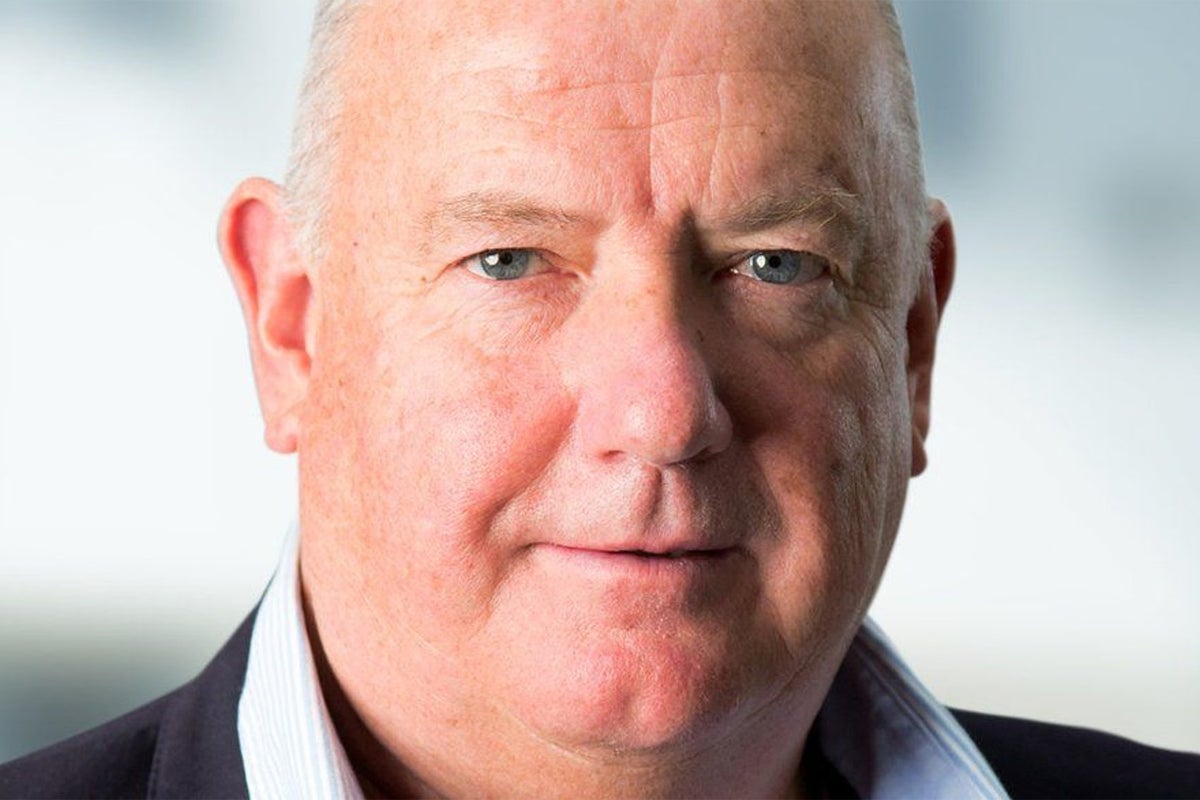
A British project manager killed in a siege in Mozambique turned down an offer of evacuation so that women and children could go first, an inquest has heard.
Philip Mawer, 58, was working in the coastal town of Palma on 24 March 2021 when terrorists from the Isis-backed group Al-Shabaab attacked his hotel.
He was offered a space in an evacuation convoy the next day, but turned it down, “insisting women and children went first”, an inquest into his death heard on Monday.
With tensions rising on 26 March, he fled the hotel as part of another convoy.
A rocket from an RPG (rocket-propelled grenade) hit the vehicle he was driving, and exploded.
Mr Mawer, originally from Somerset, suffered “instant unconsciousness and death”, the inquest heard.
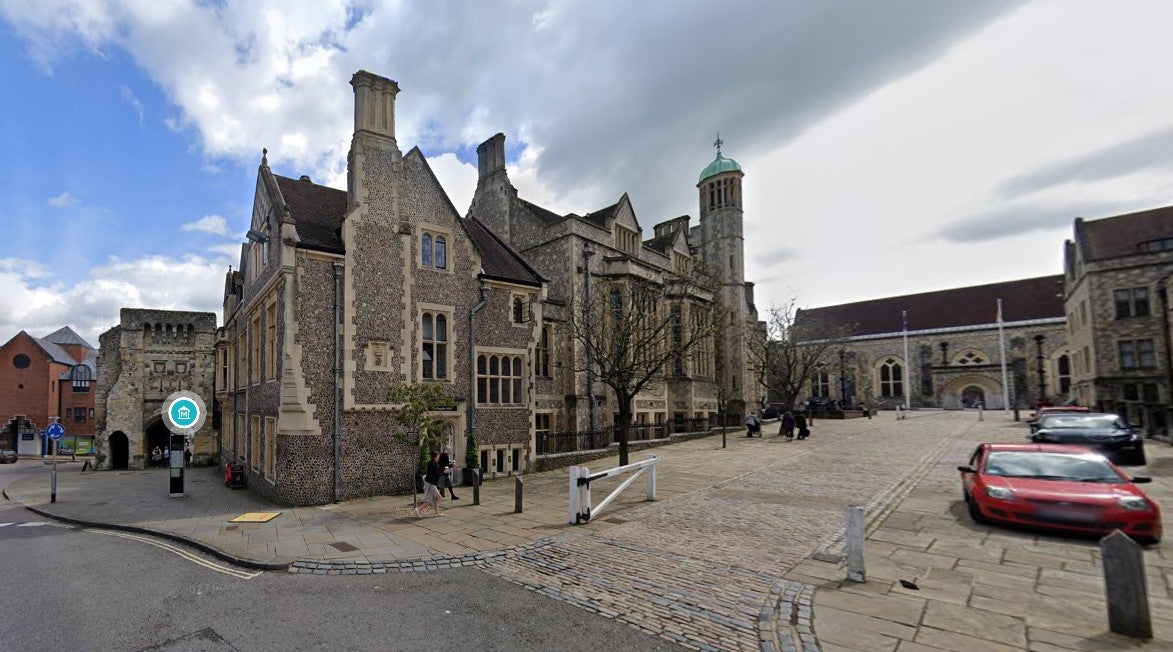
Winchester Coroner's Court, Hants, was told that it was known that terrorists operated in the area while Mr Mawer was working in Palma.
However, the threat was assessed as low enough for Mr Mawer's work preparing for “the largest gas operation in Africa” to continue.
Mr Mawer was the country manager for RA International, which had landed a contract to construct accommodation for workers for a new gas field in Mozambique.
He had worked in several African nations and had conducted business in Mozambique for 10 years, and had convinced RA International's CEO Soraya Narfeldt that he was the perfect fit for the job because of his connections to the area.
In December 2020, an order was given by energy companies and the Mozambique government to evacuate all staff due to terrorist activity.
However, in January 2021, the order was rescinded and the staff returned to normal working conditions.
Mr Mawer was staying at the Amarula Hotel with fellow project manager and friend Gordon Rhattigan.
Mr Rhattigan said that he had been at work on the RA International site with Mr Mawer when Mr Mawer had suggested going back to the hotel for lunch.
However Mr Rhattigan declined and Mr Mawer returned alone at around midday on 24 March.
Shortly afterwards, he became trapped in the hotel due to the siege by Al-Shabaab, who had been beheading people in the area, and RA International advised him to stay there.
The company’s chief operating officer Lars Narfeldt told the inquest that the first report was not of a “full-blown attack”.
“We heard there was fighting and rapid machine gun fire, and it wasn’t long before we knew the extent,” he said.
On 25 March, Dyck Advisory Group, a South African private military, evacuated 23 people from the hotel.
“[Mr Mawer] declined to go on the first helicopter trip, insisting women and children went first,” Mr Narfeldt told the inquest.
“He was exhausted from continuous stress, anxiety and fatigue from the siege at Amarula Hotel. There were more people than they had food for.
“Intermittent electricity, constant shootings, you’re in a confined space with so many people and many of them civilians, not contractors, and the excitement they brought with them not being used to this would have stoked fear as well.”
The day after, when a second convoy was organised to evacuate those trapped in the hotel, Mr Mawer turned down a spot in an armoured B6 truck and opted to drive another vehicle.
He died shortly afterwards and was later identified from dental records.
Home Office pathologist Dr Russell Delaney said that he would have died instantly, as his spinal cord and brain stem were damaged in the explosion and he suffered a “catastrophic” haemorrhage.
“These injuries were not survivable.”
Mr Narfeldt described his employee as a “strong character”.
“He was a big burly man. Very friendly, well-liked and very good at what he did.”
He said that RA International had assessed the risks in the area, which was a hotspot for attacks.
“In our view it was government buildings and figures,” he said.
“Al-Shabaab is a terrorist group but it’s also a criminal organisation. They deal in drugs and human trafficking. They don’t want to attack a company because they don’t want the media attention, it doesn’t make sense.”
Mr Rhattigan described his friend as kind, funny, down-to-earth and honest.
“I really enjoyed working with him and I had been looking forward to working with him for a while.
“He was very well-liked and respected by Palma and all the companies there.”
KioskNews shows a cleaned-up reading view extracted from the publisher’s page — the original always lives on their site, not ours.