Sherlock Took The Wrong Lesson From Its Best Episode & Fell From 95% To 47% On RT In One Season

Arielle Port started as a TV producer, developing content for Netflix (Firefly Lane, Brazen) and Hallmark (The Santa Stakeout, A Christmas Treasure) before transitioning into entertainment journalism. Her love of story went from interest to lifelong passion while at The University of Pennsylvania, where she fell in with a student-run web series, Classless TV, and it was a gateway drug. Arielle Port has been a Writer for Screen Rant since August 2024. She lives in Los Angeles with her boyfriend and more importantly, her cat, Boseman.
BBC’s Sherlock remains so beloved because it transformed a centuries-old detective into a thrillingly modern character without losing what made Sherlock Holmes so compelling in the first place. Season 1 established that formula beautifully, balancing inventive mysteries with Sherlock’s eccentric personality and the rapidly developing friendship between Sherlock and Watson.
That reinvention reached its peak in Sherlock season 2, which gave Sherlock some of his most compelling mysteries while deepening his relationships and introducing the definitive Moriarty showdown. The Sherlock season 2 finale, “The Reichenbach Fall,” is considered one of the best episodes of Sherlock — if not one of the best episodes of television ever.
Sherlock’s seeming death was a brilliant cliffhanger that also served the characters; it wasn’t just a twist for the sake of having a twist. However, the show discovered how much audiences loved a surprise reveal, and eventually began treating every episode like it needed its own Reichenbach moment, ruining Sherlock seasons 3 and 4.
Although season 3 remained well received, it marked the beginning of a shift that would ultimately consume the series: Sherlock was becoming more interested in Sherlock Holmes than Sherlock Holmes was in solving mysteries. By Sherlock’s fourth and final season, its Rotten Tomatoes critics and audience scores were essentially half those of the previous season.
“The Reichenbach Fall” Is A Perfect Twist Because It Combines Character & Story

“The Reichenbach Fall” is a perfect TV episode that shows how Sherlock could use a massive twist without sacrificing the elements that made the series compelling. Moriarty successfully turns the public against Sherlock by convincing them that the detective is a fraud, forcing Sherlock to confront him on the roof of St. Bartholomew’s Hospital.
Sherlock seemingly chooses to die by suicide to save his friends from Moriarty’s assassins, leaving John and the audience convinced that he is dead. What makes the cliffhanger so effective is that Sherlock’s apparent death serves both the story and the character.
His only way to protect John, Lestrade, and Mrs. Hudson is to sacrifice his own reputation and make the people closest to him believe he is gone. More importantly, Sherlock understands exactly what his death will mean to John, making the decision far more emotionally painful than a simple shocking twist.
Even after his survival is revealed, it also shows something meaningful about Sherlock himself: despite his emotional detachment, he cares deeply about the people in his life and is willing to let them hate and mourn him if it means keeping them safe. That balance is what makes the twist feel rich rather than cheap.
Sherlock Season 3 Became More About Mythology Than Mystery

Sherlock season 3 began showing how the series' greatest strength could become a weakness when it became more interested in the mythology surrounding Sherlock than the mysteries he was solving. The twists became bigger instead of smarter.
At first, Sherlock was extraordinary because he was simply an exceptional detective, and the fun came from watching him use his intellect to unravel seemingly impossible cases. But as the show continued, it kept finding new, increasingly elaborate reasons for Sherlock to be extraordinary, from backstory to family members to international secrets.
John's wife Mary Watson is a good example of this shift. Rather than simply being John’s new love interest, she was revealed to have a secret past, turning her into another mystery for the show to unravel. Sherlock was increasingly letting mysteries drive character, rather than letting character drive mystery.
By season 3, the show was getting so clever that its cleverness was beginning to work against it. Instead of asking what mystery Sherlock would solve next, the question became what surprising secret it could reveal about Sherlock himself.
The Sherlock season 3 finale, “His Last Vow,” seemed desperate to top the enormous shock of “The Reichenbach Fall.” However, it replaced its emotionally grounded twist with increasingly elaborate reveals, including Mary Watson’s secret past as a former assassin.
The disappointing ending that Charles Augustus Magnussen’s seemingly vast vaults of blackmail material existed only inside his mind palace felt designed to shock rather than reward viewers. Season 3 still received the benefit of the doubt, but the same problems became impossible to ignore in Sherlock’s fourth season.
Sherlock Season 4's Convoluted Ending Was The Final Nail In The Coffin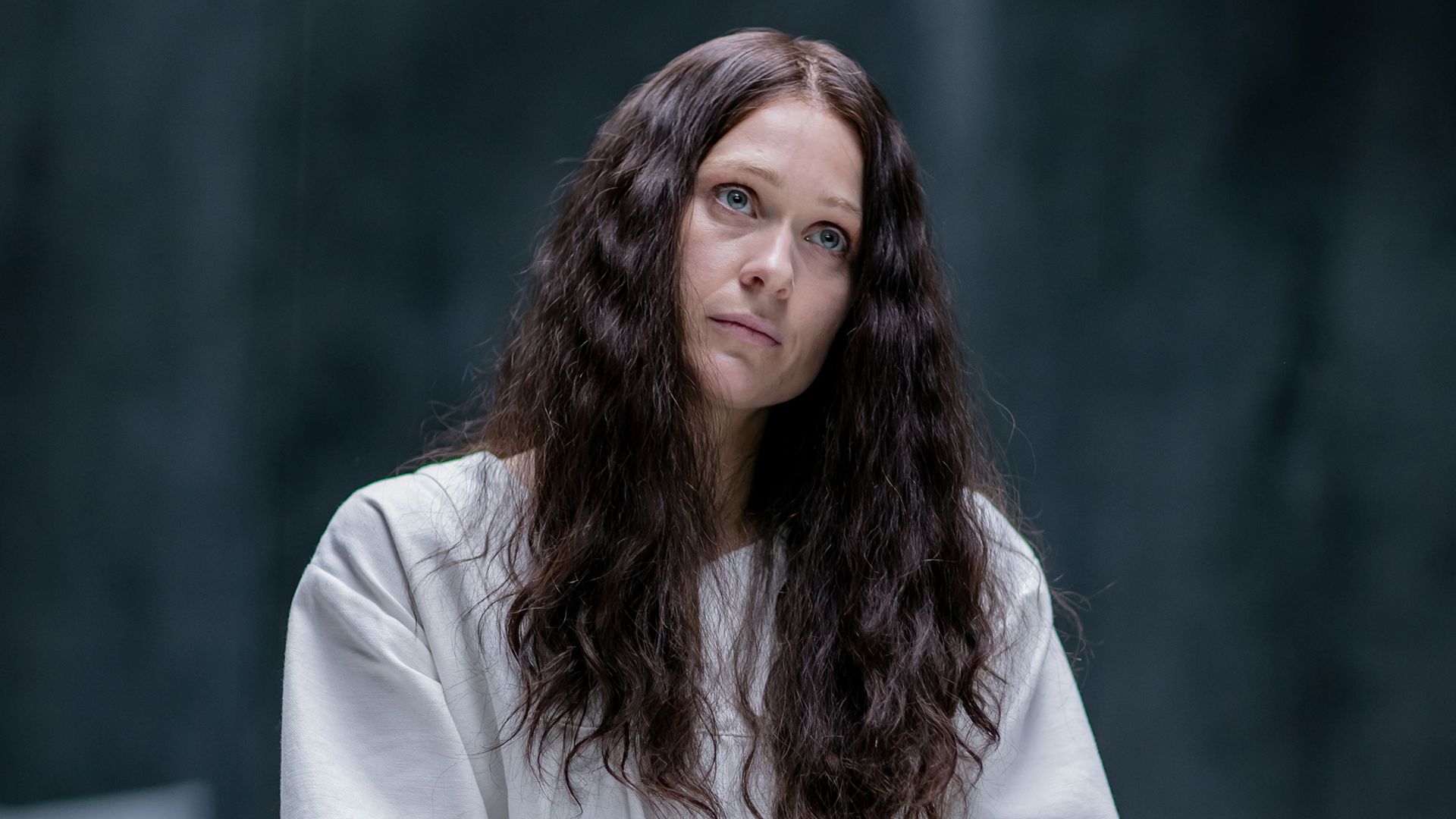
Season 4 doubled down on the shift toward increasingly elaborate mythology, with secret siblings, childhood trauma, and convoluted mind games taking center stage. Rather than returning to the tightly constructed mysteries that defined the show at its best, the season kept expanding Sherlock’s personal mythology, culminating in the introduction of his secret sister, Eurus.
|
Sherlock Rotten Tomato Scores |
||
|---|---|---|
|
Season |
Tomatometer (Critics) |
Popcornmeter (Audience) |
|
1 |
93% |
97% |
|
2 |
94% |
98% |
|
3 |
91% |
95% |
|
4 |
54% |
47% |
|
Average |
78% |
83% |
Sherlock’s finale, “The Final Problem,” centered on an elaborate psychological game in which Sherlock must unravel a series of increasingly bizarre challenges designed by Eurus. The result was one of Sherlock’s most divisive episodes, with its constant twists and emotional revelations leaving many critics and viewers frustrated, especially after the three-year hiatus between seasons 3 and 4.
Sherlock spent two seasons trying to create another “Reichenbach Fall,” only to prove that a twist is only as good as the story and characters supporting it. Despite its divisive final seasons, Sherlock remains beloved for showing just how thrilling modern Sherlock Holmes adaptations can be when its mysteries, characters, and clever twists work in harmony.
- Release Date
- 2010 - 2017-00-00
- Network
- BBC One
- Showrunner
- Steven Moffat
-

Sherlock Holmes
-

John Watson
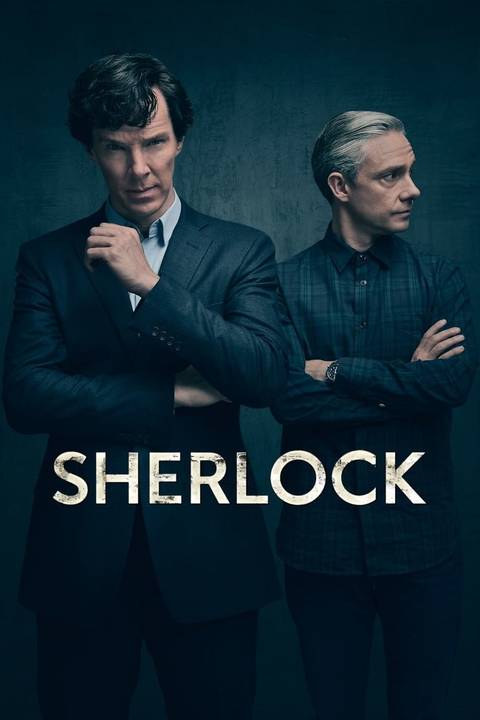
This adaptation Sherlock and Watson as they establish their partnership and begin solving strange mysteries throughout the U.K. and beyond. Set in a more 2010's modern setting, Sherlock's eccentric and complex nature is accentuated as he solves seemingly supernatural crimes with unparalleled intellect while struggling to connect with others on a human level. Meanwhile, Watson blogs the stories summarizing their cases while building a strained but caring friendship with his new partner.
KioskNews shows a cleaned-up reading view extracted from the publisher’s page — the original always lives on their site, not ours.