September 13, 1948: Why ‘Operation Polo’ on Hyderabad changed India's map forever
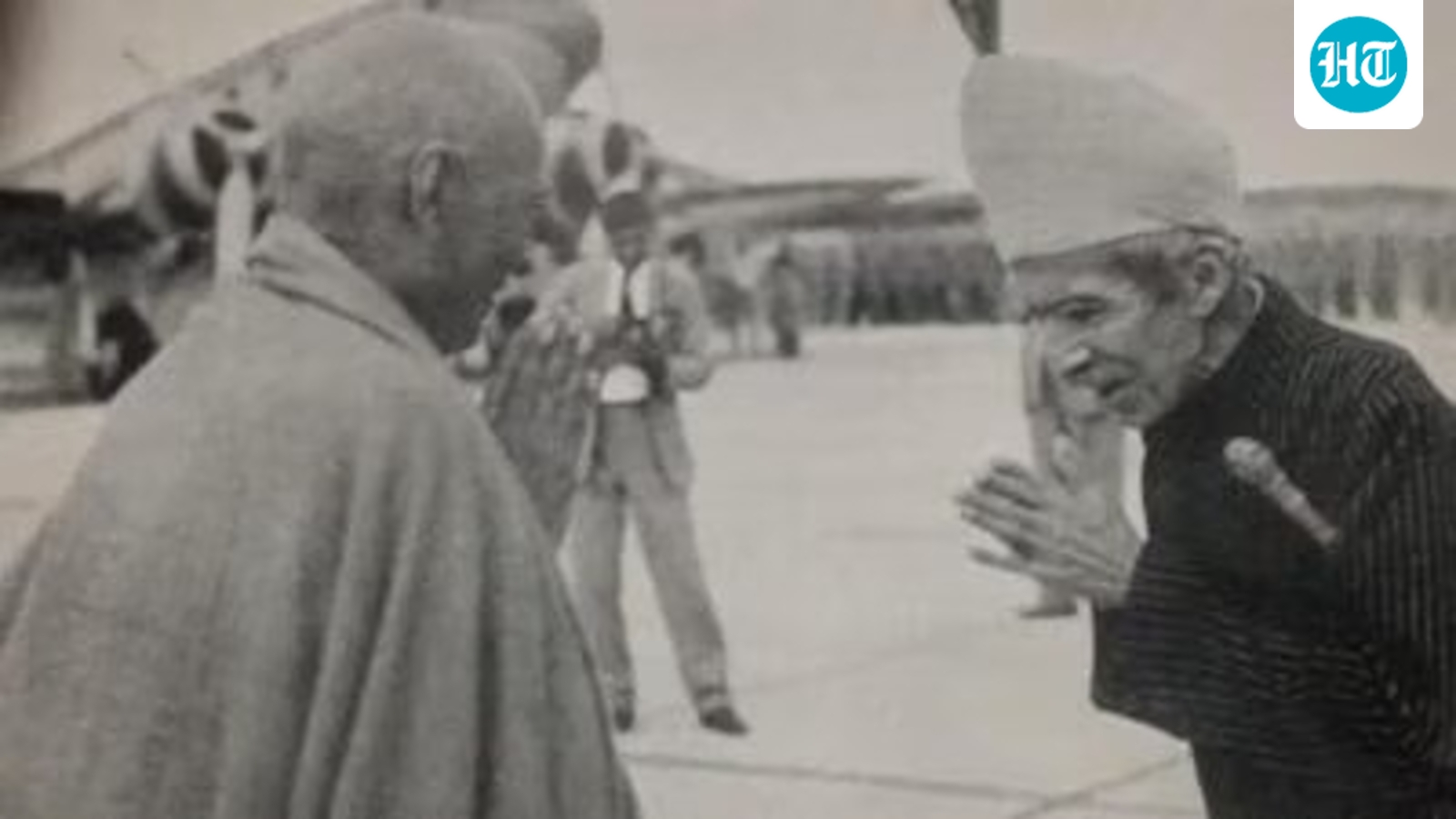
When the British rule ended in 1947, the map of the Indian subcontinent was far from settled. Hundreds of princely states had to decide their political future, and most of them eventually joined India or Pakistan, except the princely states of Hyderabad, Jammu and Kashmir, Junagadh. While Jammu and Kashmir and Junagadh were integrated into India within the following months, Hyderabad remained defiant for more than a year.
The princely state of Hyderabad
Ruled by Nizam Osman Ali, Hyderabad was the wealthiest and most powerful princely state. It initially sought to remain independent rather than join either and issued a royal decree about the same on June 26, 1947.
Also Read | When Britain went to sleep on September 2 and woke up 11 days later
However, the Indian government was increasingly concerned that an independent Hyderabad in the heart of India could threaten the country's unity.
What was Operation Polo?
On September 13, 1948, Indian armed forces entered the princely state of Hyderabad, beginning Operation Polo. A US State Department diplomatic telegram dated that very day records that Indian troops had entered Hyderabad and that fighting had begun.
The operation was commanded by Major General J N Chaudhuri, with the overall operation under the Southern Command. Thirty-six thousand Indian troops advanced into Hyderabad from multiple directions. One major force moved along the Sholapur-Hyderabad road, while another advanced along the Vijayawada-Hyderabad route.
Also Read | Did you know the term 'Artificial Intelligence' was coined 71 years ago?
The Indian Air Force also carried out attacks on targets including Bidar, Gulbarga, Warangal and other locations.
Five days later, Hyderabad's forces surrendered and the Nizam accepted the state's accession to India.
Atrocities in the police action
It was estimated that 32 people were killed and 97 injured on the Indian side, while Hyderabad suffered 490 deaths and 122 injuries.
However, the violence surrounding the accession did not end with the surrender.
The operation remained deeply controversial because of allegations of widespread violence against Muslims in Hyderabad after the Indian takeover.
A three-member Congress delegation comprising Pandit Sunderlal, Kazi Abdul Ghaffar and Maulana Misri visited Hyderabad for several weeks in December 1948 and produced a report on the violence.
As per Prof Adapa Satyanarayana, the report, which became publicly known in 2013, estimated that 27,000 to 40,000 Muslims were killed by Hindu communal elements, particularly in the Kannada and Marathwada regions.
Also Read | How Hyd merger with Union unfolded
The episode remains a contested part of Hyderabad's history, with differing accounts of the scale and nature of the violence.
Hyderabad surrendered after five days
On September 17, 1948, Hyderabad's forces, under the command of Syed Ahmed El-Edroos, surrendered to the Indian government.
Later that afternoon, Nizam's Prime Minister Mir Laik Ali announced a ceasefire and the resignation of his cabinet on All India Radio.
The Nizam subsequently issued his own farman, ordering a ceasefire from 5pm.
He also expressed his desire to begin a “new chapter of friendliness” with India and said he wanted his people to live in “integrated harmony” with the people of India.
KioskNews shows a cleaned-up reading view extracted from the publisher’s page — the original always lives on their site, not ours.