Experts reconstruct face of man from Roman Scotland after 2,000 years
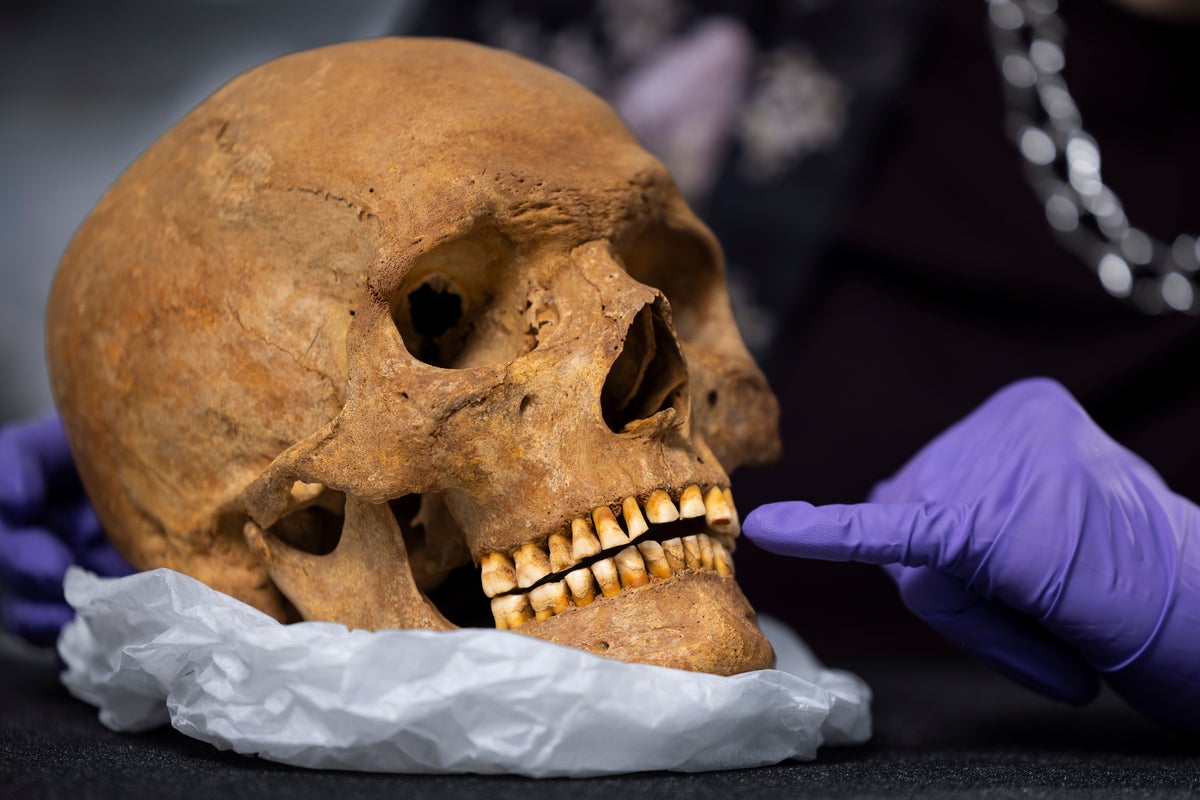
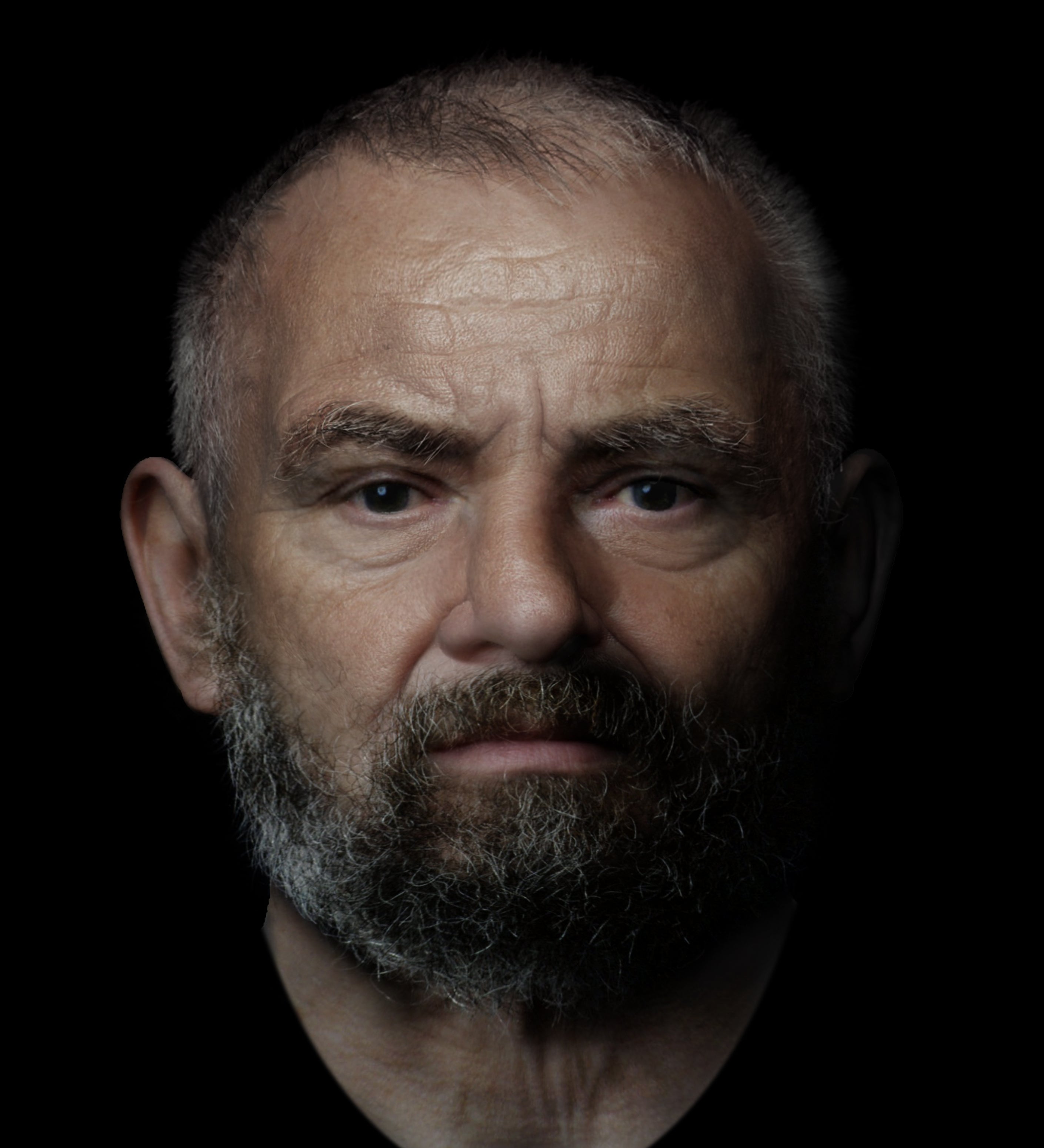
An international team of experts have digitally reconstructed the face of a man who died on the Roman frontier in Scotland almost 2,000 years ago.
The man’s skull will be displayed alongside the digital facial reconstruction in the exhibition, Roman Scotland: Life On The Edge Of Empire, which opens at the National Museum of Scotland in Edinburgh next month.
Researchers used “cutting-edge” scientific techniques to determine the man’s genetic make-up and discovered he was likely to have been in his early 50s when he died at Inveresk, near Edinburgh, between AD 140–165.
He was originally from southern Britain and had travelled hundreds of miles to the Firth of Forth coast.
An examination of his skeleton found that he had suffered several injuries and was not a soldier at the time of his death, as he could not have swung a sword.
Experts noted the man had limited use of his right arm due to an extensive bone growth near the elbow joint, which was likely caused by septic arthritis, while he had suffered a broken nose which had healed.
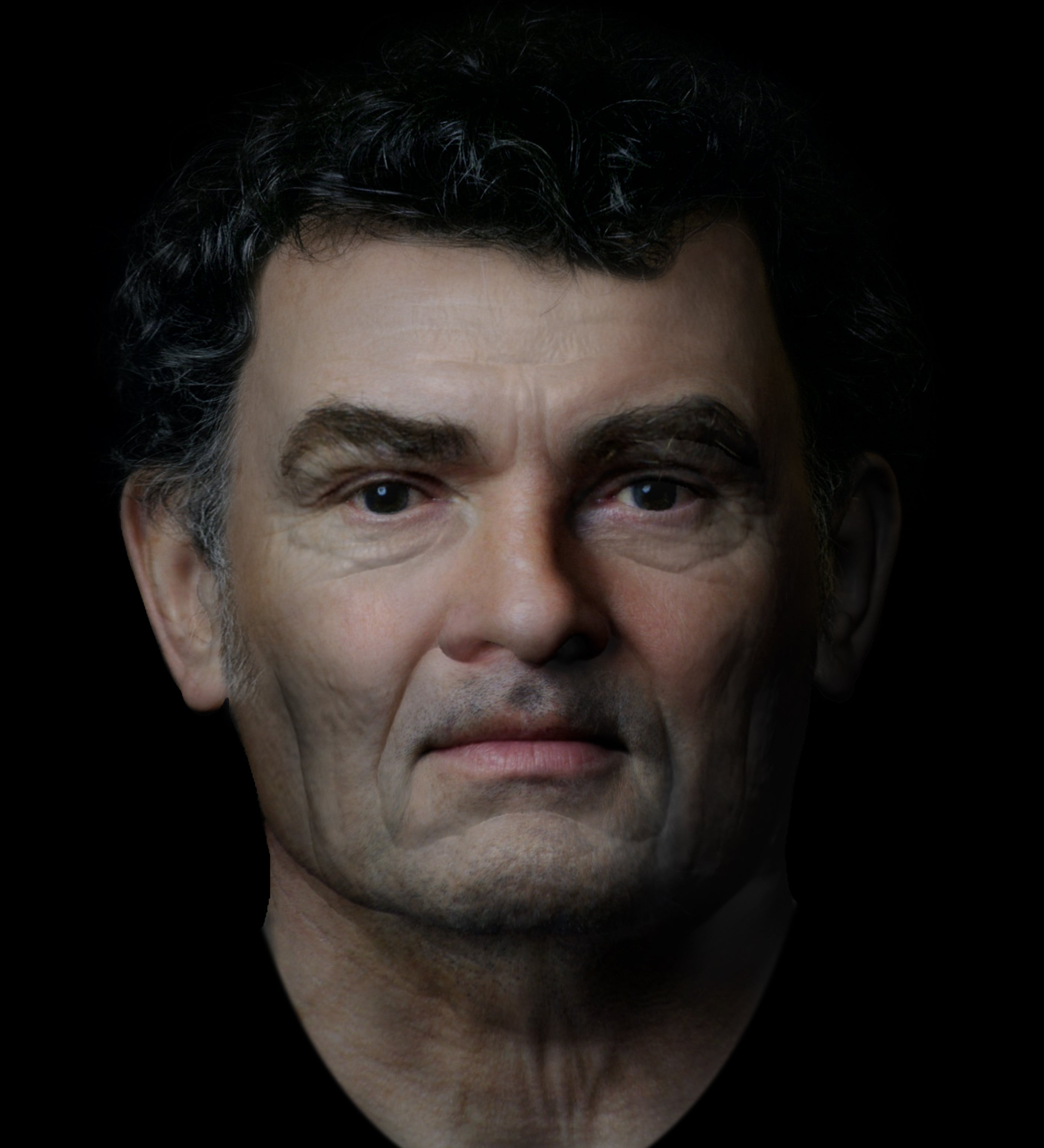
Dr Fraser Hunter, principal curator of prehistory and Roman archaeology at National Museums Scotland (NMS) said: “I have worked with the finds from Roman Inveresk for years, but this facial reconstruction finally gives me a sense of what one of its inhabitants looked like.
“Archaeology tells us about people who had hopes and fears just like us, and it is a privilege to present a vision of this resident of Inveresk using contemporary scientific techniques.
“We cannot know how exactly he looked, but we think his family and friends would have spotted the likeness.”
The man was among several people whose burials were found around the Roman fort at Inveresk.
Experts said the burials, which are rarely discovered from Roman Scotland, are particularly unusual because four of the six adult men buried at Inveresk, including the one whose face has been reconstructed, were decapitated after they died.
They are said to be among the earliest known examples of the practice in Britain and the first in Scotland.
The reasons for post-mortem decapitation are not clear, however, it may have been linked to supernatural concerns or beliefs around how the people died, or might have been used as a form of punishment.
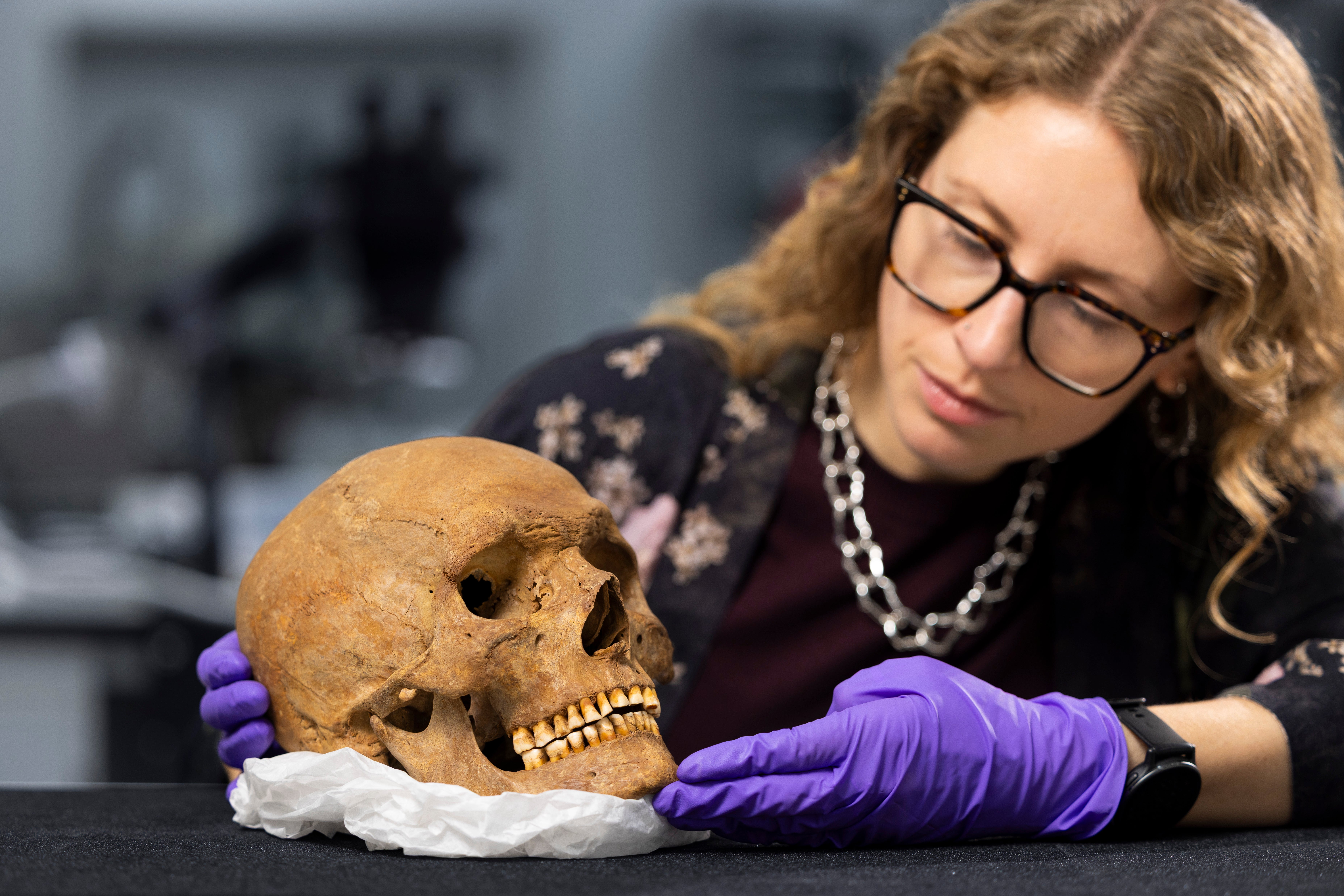
Dr Jess Thompson, curator of osteoarchaeology at NMS, said: “The burials at Inveresk are exceptional and incredibly rare survivals from Roman Scotland.
“Taking an interdisciplinary approach to the analysis of human remains allows us to understand the physical attributes of these individuals as well as their life stories.
“We can investigate where these men had travelled from to reach the frontier, what they were doing there and what became of them.
“This facial reconstruction by Dr Chris Rynn unites cutting-edge science with artistic vision to create an instant connection with the past, offering a dynamic portrait of what he may have looked like and who he may have been.”
The exhibition will explore life on a frontier, from the soldiers who tried to conquer the land to the communities living around each military base as well as the experiences of local people whose way of life was threatened by the Roman invasion.
NMS said the facial reconstruction was informed by an osteoarchaeological assessment carried out at the museum, previous isotopic analysis led by scholars at Durham University, and ancient DNA research by a team based at the Department of Archaeology at the University of York and Harvard Medical School.
Dr Rynn combined the findings to create the reconstruction.
The exhibition will run from November 14 until April 18 2027.
KioskNews shows a cleaned-up reading view extracted from the publisher’s page — the original always lives on their site, not ours.