[Vantage Point] The nickel wealth the Philippines gets to keep
Recent corporate write-downs and asset sales show that processing Philippine nickel carries steep hidden costs and financial risks. Before offering tax breaks or cheap electricity to attract refineries under the new ASEAN minerals agreement, Manila must ensure that investors carry the commercial risk and that genuine wealth—not just the environmental cleanup bill—stays in Filipino hands.
Just days before Southeast Asian leaders called on our region to earn more money from its valuable minerals, a major Japanese metals company showed us just how expensive and risky that goal can be.
Sumitomo Metal Mining reported an impairment charge of ¥42.55 billion (P17,025,663,405.00) on its Coral Bay Nickel processing plant in Palawan. Only two days later, the local mining giant Nickel Asia announced plans to sell its entire 10% share in a separate Philippine processing plant, Taganito HPAL, in Surigao del Norte.
(HPAL stands for high-pressure acid leaching. It uses sulfuric acid at high temperatures and pressure to extract nickel and cobalt from low-grade laterite ore. The resulting intermediate product requires further refining before it can be used in batteries. In this column, HPAL refers to the processing technology used at Taganito).
The regional leaders’ grand announcement arrived just as two experienced companies were marking down their Philippine nickel-processing investments.
The new minerals declaration, adopted by the Association of Southeast Asian Nations (ASEAN) during the Manila Summit on November 15, lays out an ambitious plan. It asks member countries to work together across the entire supply chain—from digging up raw rocks and processing them into usable metals, to building finished goods like electric vehicle batteries, and eventually recycling them.
Joining this effort is completely optional, and the regional strategy still needs to be developed. On paper, the idea makes complete sense. Right now, countries such as the Philippines sell raw minerals to other countries and then buy back expensive finished electronics and cars.
Naturally, the region wants to keep more of that processing profit for itself. For the Philippines, however, the question is not whether the idea sounds good, but where the actual profit hides, who takes the financial risk to earn it, and how much of that money truly stays in our country. (READ: Riding the clean energy and AI wave: Marcos wants to go beyond ore exports)
When it comes to raw materials, the Philippines certainly has enough nickel to be taken seriously on the world stage. According to estimates from the United States Geological Survey, Philippine mine output contained 270,000 metric tons of nickel in 2025, which equals roughly 7% of the entire world’s nickel mine output.
By comparison, our neighbor Indonesia produced 2.6 million tons—nearly ten times our output. Meanwhile, United Nations trade records show that the Philippines earned about US$1.48 billion in 2025 just by shipping raw nickel ore and concentrates overseas. While one number measures the nickel contained in mine output and the other measures the value of ore exports, both figures tell a clear story. We have a very large and successful mining industry, yet we are competing right next door to an Indonesian giant whose massive size gives it an advantage that no diplomatic agreement can easily erase.
Case studies
The troubles at the Coral Bay plant in Palawan offer a vital lesson about the hidden costs of running a factory. According to Sumitomo’s official briefing, the plant is expected to stop operating sometime between fiscal years 2028 and 2030.
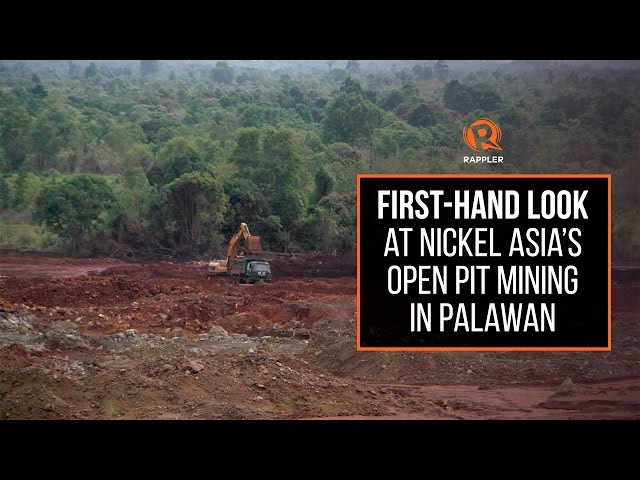
When the company reviewed how much it would cost to safely dismantle the factory and restore the surrounding environment once it closes, those future cleanup costs pushed the plant’s accounting value higher than what the business could realistically earn back.
Low global prices for nickel and cobalt, rising factory expenses, and declining ore quality all hurt the plant’s outlook. While this ¥42.55 billion write-down is an accounting adjustment rather than a cash bill paid today, it serves as a critical reminder for government leaders. Policymakers must always include the end of a project’s life when calculating whether it is a good deal. A factory must earn enough money while it is open to pay for cleaning up the mess it leaves behind. (READ: Poor towns near nickel mines pay the price of energy transition – report)
The situation at the Taganito plant in Surigao del Norte sends a different kind of warning. Nickel Asia’s plan to sell its stake to Sumitomo is not a factory shutdown. It is simply one owner deciding to step away, and the deal still requires definitive agreements, regulatory compliance, and fulfillment of closing conditions.
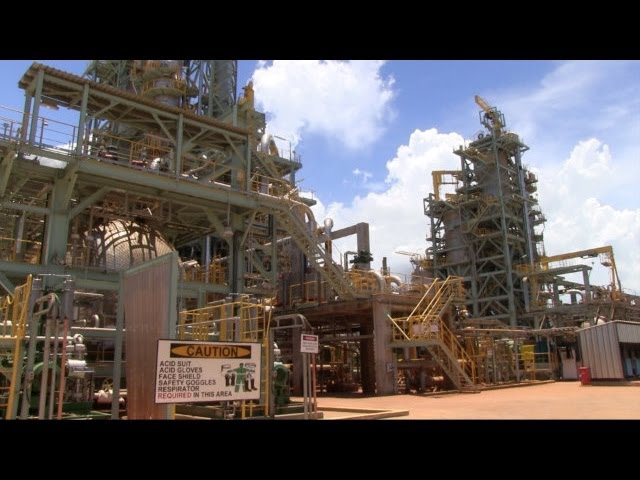
Even so, Nickel Asia reported a P1.99 billion net accounting hit on the value of that factory investment. Yet in the first nine months of 2026, Nickel Asia’s revenue from simply digging up and selling raw nickel ore jumped by 39% to P29.12 billion.
In other words, the company generated sharply higher revenue selling raw rocks while simultaneously losing value on its factory shares. This does not mean mineral processing can never make money, but it shows that owning a profitable mine does not guarantee success when you try to build a factory farther down the supply chain.
Still, there is a strong argument for building processing plants here at home. Specialized factories using high-pressure acid leach technology can turn low-grade local ore into a semi-finished metal product that sells for much more than raw ore.
A healthy processing plant creates high-skilled jobs, brings business to local suppliers, generates tax money, and teaches Filipino workers advanced engineering skills. Working with neighboring ASEAN nations could also help these plants find steady buyers and secure loans.
Cleanup bill
However, a semi-finished metal is still several steps away from becoming a finished battery. Furthermore, a higher export price tag does not mean the Philippines actually gets rich if foreign machinery, imported chemicals, expensive electricity, and overseas bank loans absorb most of that money. We must judge every project by the wealth that remains in Filipino hands after all those bills are paid.
Before our government hands out tax breaks, discounted electricity, or public money to attract factory builders, officials must demand clear answers. Investors should prove their factory can survive even when global nickel prices drop to conservative, realistic levels.
The government needs to know what electricity rate and ore quality the plant requires just to break even, how much money will go directly to Filipino workers and local businesses, and how much tax the company will pay during and after its incentive period. Most importantly, officials must ask who will pay to maintain tailings facilities and restore the land if metal prices crash and the owners shut the doors early.
The public deserves to see these exact numbers so we can weigh the true benefits against the cost of taxpayer support. Jobs and taxes must be measured across the entire lifespan of the plant, with environmental cleanup fully funded before any profits leave our shores.
Manila should use the new ASEAN minerals declaration to negotiate smart deals that bring guaranteed buyers, new technology, and private funding—while ensuring that foreign investors, not Filipino taxpayers, carry the financial risk.
The Philippines can easily afford to say no to a metal refinery that only survives on cheap, taxpayer-funded electricity and overly optimistic price guesses. What we cannot afford is to celebrate higher export numbers as industrial progress, only to discover when the factory closes that the only thing our country kept was the cleanup bill. – Rappler.com
KioskNews shows a cleaned-up reading view extracted from the publisher’s page — the original always lives on their site, not ours.