Soil in need of some TLC? Then it’s time to make room for legumes
I am locked in an eternal battle with my soil. Now, I adore the earth and believe it to be miraculous in its life-giving properties. But I’d be lying if I said I don’t sometimes (or often) feel deeply frustrated with the intransigence of the heavy clay I’m working with in my veg patch. Clay soil is especially miraculous in how nutrient dense it is. Yet, those nutrients are, somewhat ironically, more challenging for gardeners to access for their crops than with other soil types.
The answer – as with almost all problems faced in a chemical free, mostly no-dig garden – is adding a mulch of organic matter (either compost or well-rotted manure) that can be incorporated into the earth by insects, who will improve its texture in the process. And yet, this trusty approach is tricky in my veg patch as we live on a hill and there is about a metre’s difference between one side of the site and the other. This situation (plus the stubbornness of soil made sodden by a wet winter and then solid by a heatwave summer) has meant the layers of compost I laid over the last year have been either washed away or not particularly well incorporated into the deeper soil.
All this is to say, I was not in a good position at the start of the growing season, and now autumn has arrived I’m considering what the soil needs for next year. Of course, I will continue to mulch enthusiastically, but I’m also looking at a key plant type that can come to the rescue – the legume. Capable of taking nitrogen from the air and capturing it in their bodies (with the help of some nifty bacteria) to be released for use by future plants, legumes are an effective ally to the organic grower who is working with soil that needs some extra TLC.
after newsletter promotion
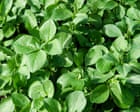
Sown now, vetch (also known as winter tares), field beans and forage peas – whose ideal sowing time is September, but I suspect October will be fine in milder spots – will push their roots deep down into the soil during the coming months. Then, come spring, before they’ve had a chance to flower and while their stems are still soft, they can be cut down at the base and either incorporated into the soil if you’re inclined to dig, or if, like me, you’re not, they can be chopped into pieces and laid as a surface mulch, or put in the compost to rot down there.
Either way, the root systems decompose in the ground, where they will be of most benefit to the soil, improving its structure and capacity to retain water as well as dispensing with any excess of it.
While it does mean that those veg beds of mine won’t be planted with my favourite winter-ready or overwintering crops, it should mean that the soil is in a much better state to work with next spring.
KioskNews shows a cleaned-up reading view extracted from the publisher’s page — the original always lives on their site, not ours.