Frustration and fear fueled record Arab turnout, making potential kingmakers of Ra’am, Joint List

SAKHNIN — For Israel’s Arab citizens, Tuesday’s election result was a rare moment of political triumph.
Hundreds of thousands voted in record numbers, giving two Arab-led parties their largest-ever number of seats in the Knesset.
Many boycotted past elections, seeing little point. But after years of their communities being demonized or neglected, Israel’s largest minority community turned to the ballot box to fight back against the most hardline government in the country’s history.
0:00 / 0:00
Promoted: Jewish Crossroads, Avi Issacharoff

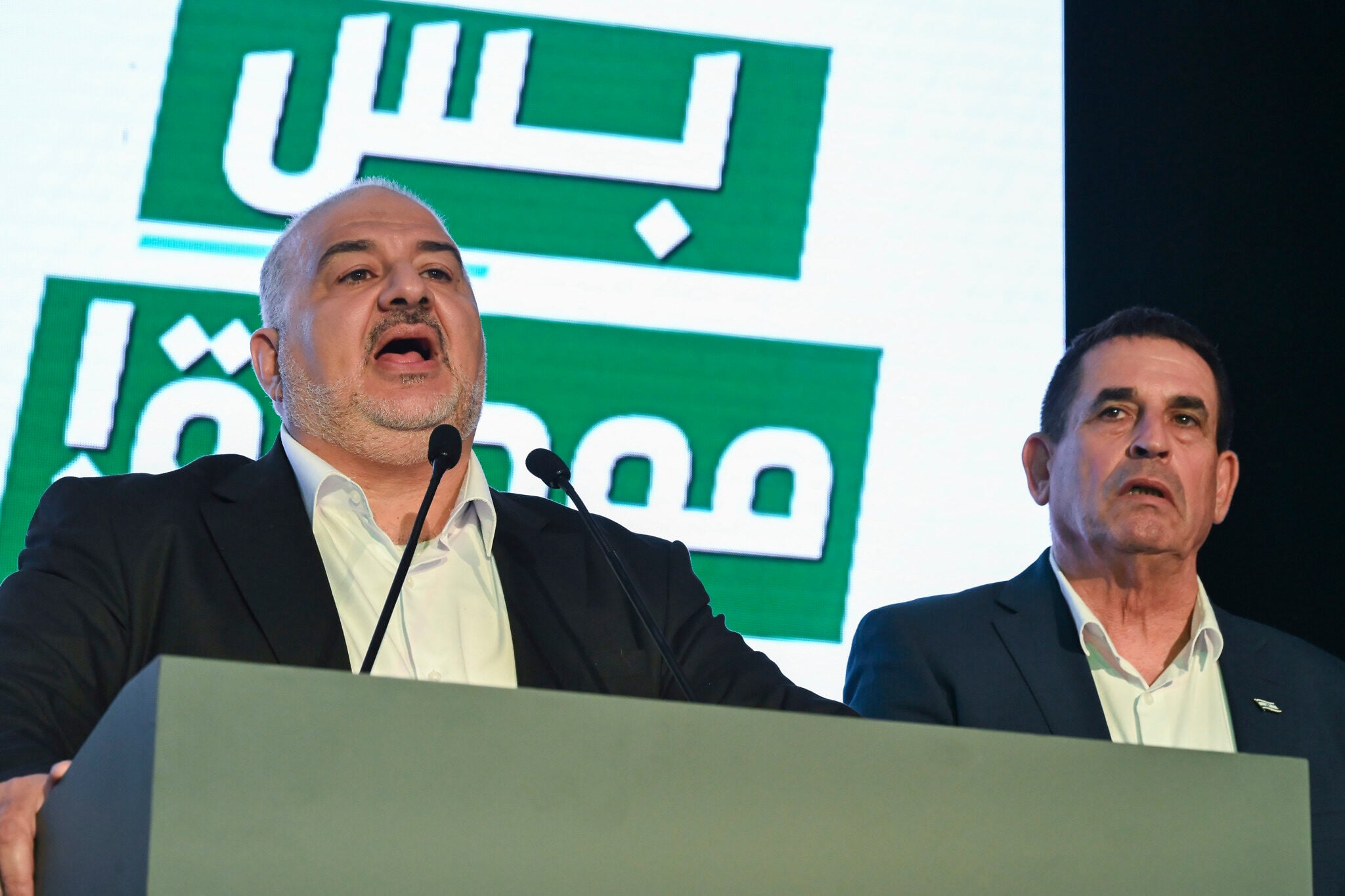
“We are here and we’re not on the sidelines,” declared Mansour Abbas, leader of the Ra’am party, as supporters cheered in a wedding hall Tuesday night, watching the exit polls.
The surge makes them a major political force that could enable opposition parties to assemble a coalition to oust Prime Minister Benjamin Netanyahu.
Get The Times of Israel's Daily Edition by email and never miss our top stories
By signing up, you agree to the terms
But the question is whether Netanyahu’s main rival, Gadi Eisenkot, and other opponents will ally with them. Only once has an Arab-led party ever served in an Israeli government. During the campaign, Netanyahu had accused his main opponents of planning to form a coalition with Arab parties, which Eisenkot denied.

Netanyahu and his allies are now turning up the anti-Arab rhetoric even further, making unproven claims that foreign powers bribed voters to back Arab-led parties. In a Thursday post on X, Netanyahu warned against any party forming a government with them, saying it would lead to the “Islamization of Israel.”
Grievances fueled the surge
Nearly 840,000 people on Tuesday voted for Ra’am and the Joint List, a coalition of three Arab-led parties, a 64 percent increase from the last elections in 2022, according to final results from the Central Election Committee.
The parties won 19 seats in Israel’s 120-member Knesset, surpassing the previous record of 15.
Crowds packed polling places in Arab communities from the Negev Desert to the northern Galilee.
In Tarabin, a Bedouin village in the Negev, Netanyahu’s party had won majorities in the past two elections. Turnout nearly doubled on Tuesday and Ra’am won 93 percent of the vote.
The northern town of Sakhnin had Israel’s highest voter turnout, at 87%. Mayor Mazen Ghnaim said voters saw it as an emergency measure to fight rising violent crime in Arab communities and incitement by Netanyahu’s far-right allies.

“I want to protect my constituents from being killed, my children from being attacked at their universities and Arab doctors getting attacked at hospitals,” said Ghnaim, a Ra’am supporter, referring to recent incidents of anti-Arab violence, as well as the violence within the community.
The parties worked hard to overcome past reluctance to vote among Israeli Arabs, who have long felt ignored in the halls of power.
They held community meetings in cities and towns that Jewish-led parties mostly ignored. A grassroots movement went door-to-door in Bedouin villages to encourage women to vote.
Voters and candidates said their heightened participation did not reflect faith in Israeli democracy — it was a sign of desperation to unseat Netanyahu.
Two of Netanyahu’s far-right allies, Itamar Ben Gvir and Bezalel Smotrich, are responsible for some of Israel’s most extreme policies and anti-Arab incitement.
Ben Gvir, the national security minister, raised alarm on Election Day over Arab turnout, telling his supporters, “If you want this country to remain Jewish and Zionist … then get out and vote!”
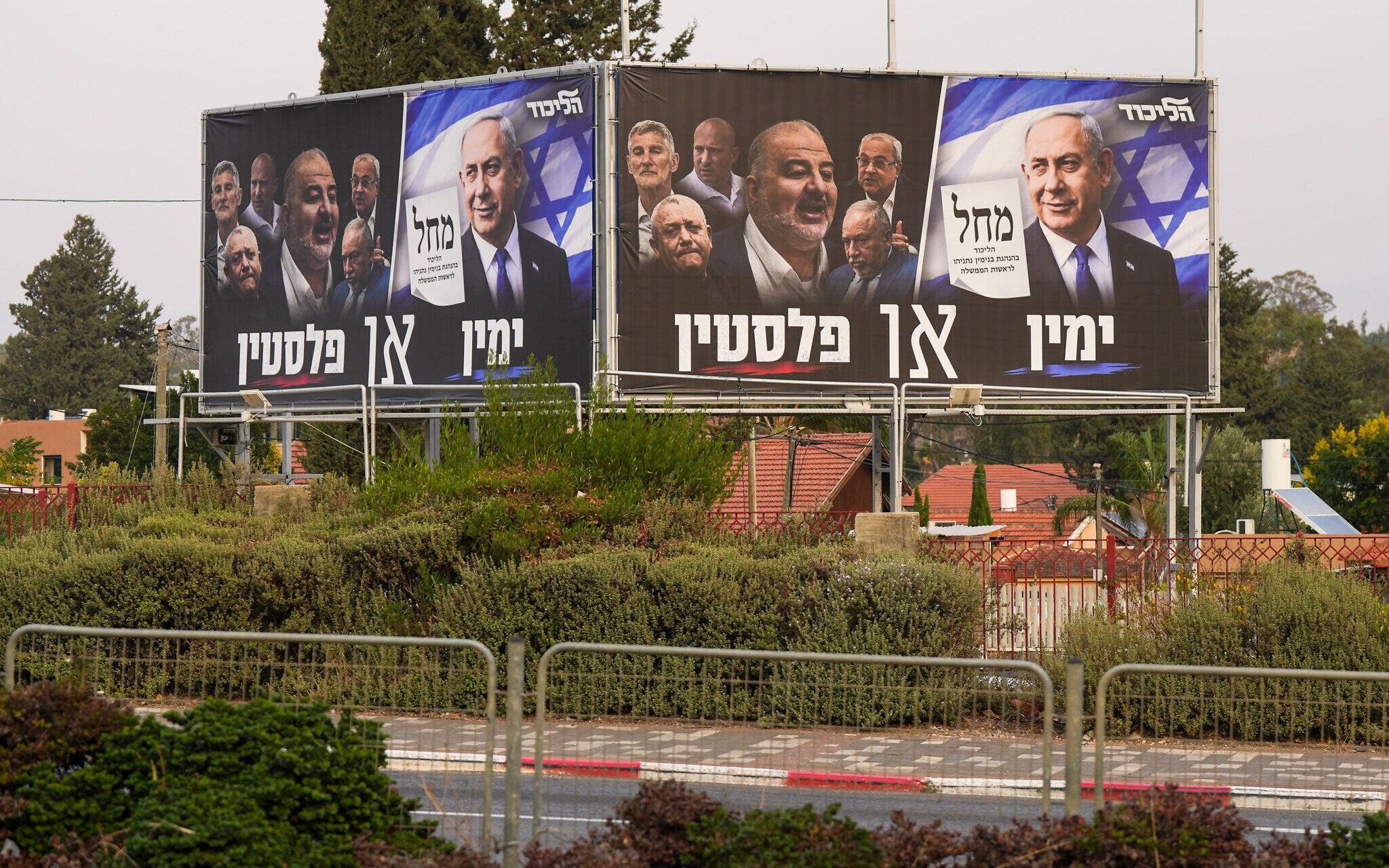
The rhetoric, also echoed by Netanyahu and Smotrich, may have only galvanized Arab voters.
“We see the government going from bad to worse,” 52-year-old Awni Zoabi said after voting in Nazareth. “We want to live, we want a future for our children, and we want a future for ourselves.”
The parties offer different visions
Israeli Arabs are the descendants of Palestinians who stayed in Israel after the 1948 war surrounding its creation — when hundreds of thousands were expelled or fled — and now make up more than 20% of the population. They have Israeli citizenship, but many also feel deep solidarity with Palestinians in Gaza and the West Bank.
Ra’am and the Joint List both campaigned on combating crime and securing investment for Arab communities. But they offered different visions for how to approach the wider conflict.
Ra’am made the advantages of joining a coalition government central to its pitch to voters and said little that could alienate potential Jewish allies. It placed a Jewish former police official and Yesh Atid MK, Yoav Segalovich, second on its candidate list.
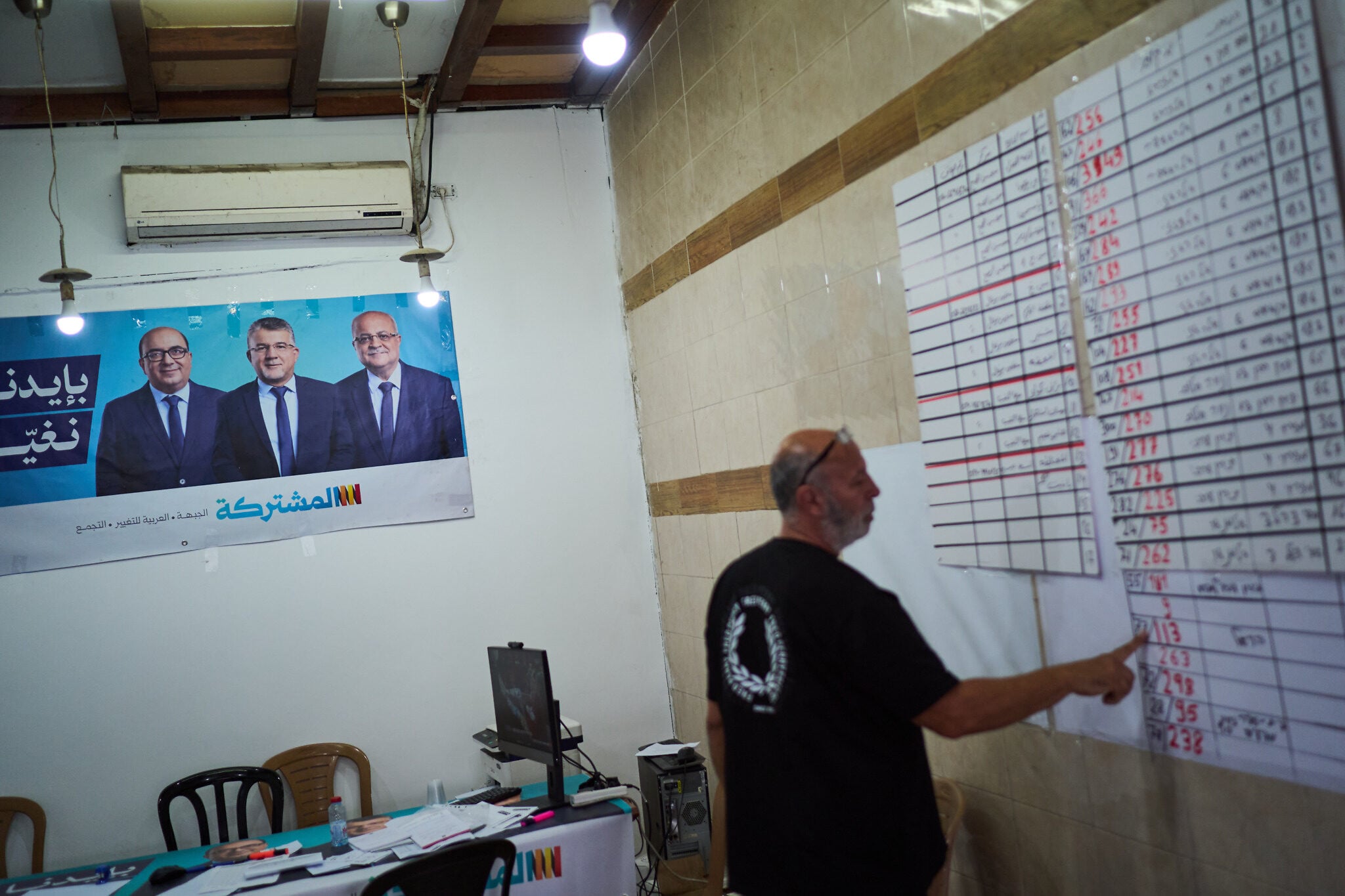
In contrast, some members of the Joint List called Israel’s campaign in Gaza a genocide and compared the situation in the West Bank to apartheid South Africa. Most Jewish Israelis ardently reject both accusations, as does Israel’s government itself.
“People are clever enough to see what’s happening. Of the two options, one is proposing a genocide, and the other is proposing apartheid. These are the choices: bad or worse,” said Sami Abou Shehadeh, the leader of one of the slate’s parties.
Abou Shahadeh stepped down from running ahead of the election after the Supreme Court urged him to withdraw, saying there was a majority on the bench to greenlight the Central Elections Committee’s decision to ban the former lawmaker over an article he published the day after the Hamas-led onslaught of October 7, 2023, and which the attorney general argued constituted support for armed struggle against Israel. Abou Shahadeh has expressed regret for writing the article but denied supporting armed struggle against the state.
Strong showing doesn’t guarantee a role in government
Mainstream Israeli parties have long resisted partnering with Arab-led parties elected to the Knesset, portraying them as threats to Israel’s Jewish character or questioning their loyalty to the state.
Netanyahu’s opponents welcomed Ra’am into a short-lived coalition government in 2021, offering investment in Arab communities and legal status for unrecognized Bedouin villages facing the threat of demolition.
The Islamist party’s inclusion broke a longstanding taboo and gave it newfound political influence.
But given Israel’s rightward shift, it will be difficult for Eisenkot to maintain support if he partners with Arab-led parties this time, said Tamar Hermann, senior research fellow at the Israel Democracy Institute.
Israel, she said, has been “moving away from a liberal democracy and moving toward an ethnic democracy where one ethnicity has advantages over others.”
Ra’am and the Joint List could handily give Eisenkot the numbers needed to form a government. Both have expressed openness to anything that removes Netanyahu, including abstaining from a Knesset leadership vote to lower the threshold Eisenkot would need to win a majority.
But in public, rather than court them, Eisenkot has set conditions, including that they profess that Israel is a Jewish and democratic state and declare Hamas a terrorist organization “to be demolished.”
Leaders of both Arab parties have condemned Hamas’s October 7, 2023, attack on Israel but have balked at labeling the group a terrorist organization, in part because it would appear to justify Israel’s devastating campaign in Gaza. Abbas acknowledged Israel as a Jewish state in 2021, while some Joint List leaders have questioned whether a country can be both democratic and privilege members of one religion.
Abbas said Tuesday that he was confident Ra’am would join a government. But his party did not respond to questions this week about whether it would accept Eisenkot’s conditions or what its own terms were.
On Wednesday, Abbas suggested that his party was also in contact with members of Netanyahu’s coalition.
“Everyone is speaking with us, not just from the change bloc,” he told Channel 12 news.
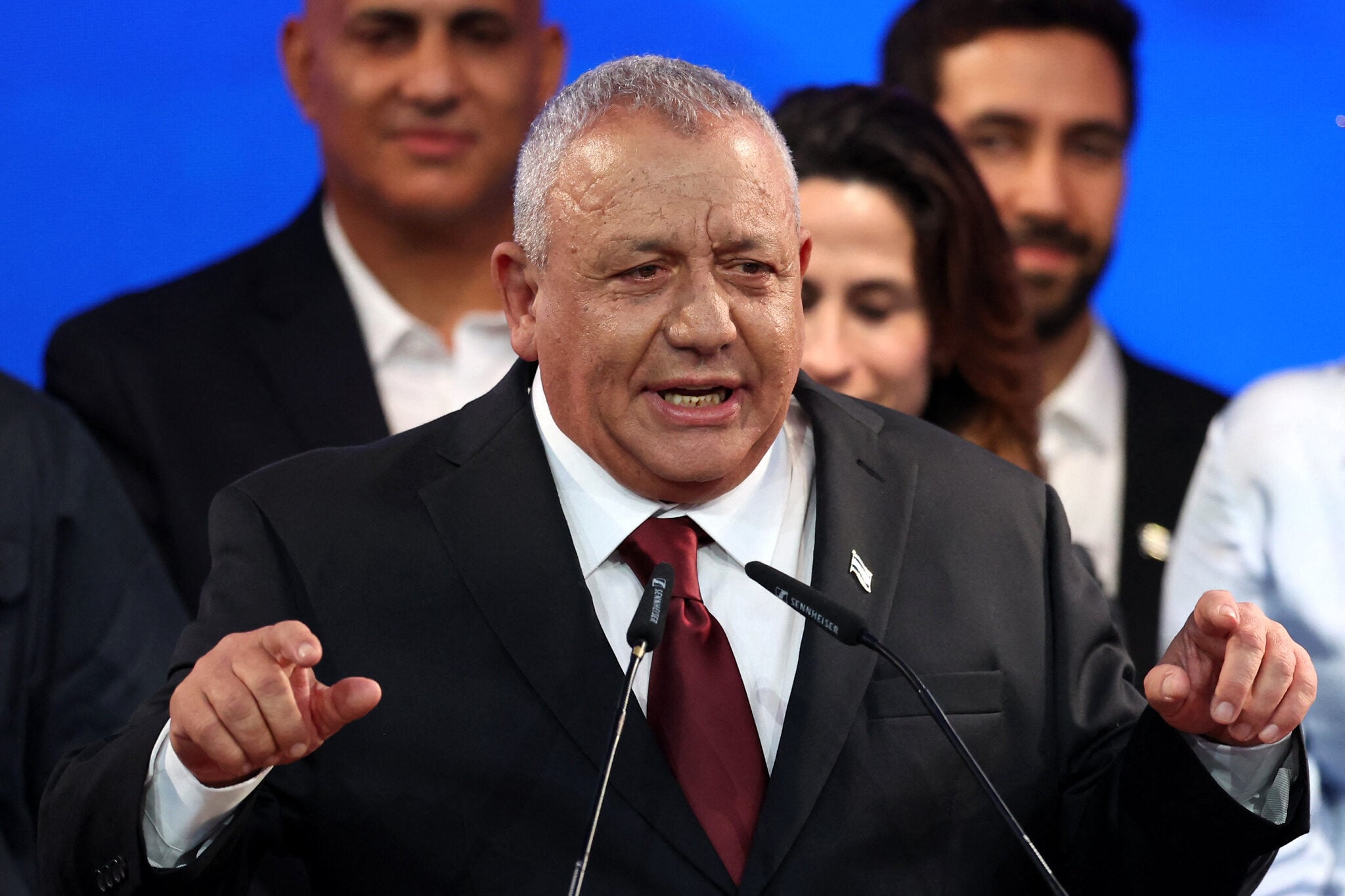
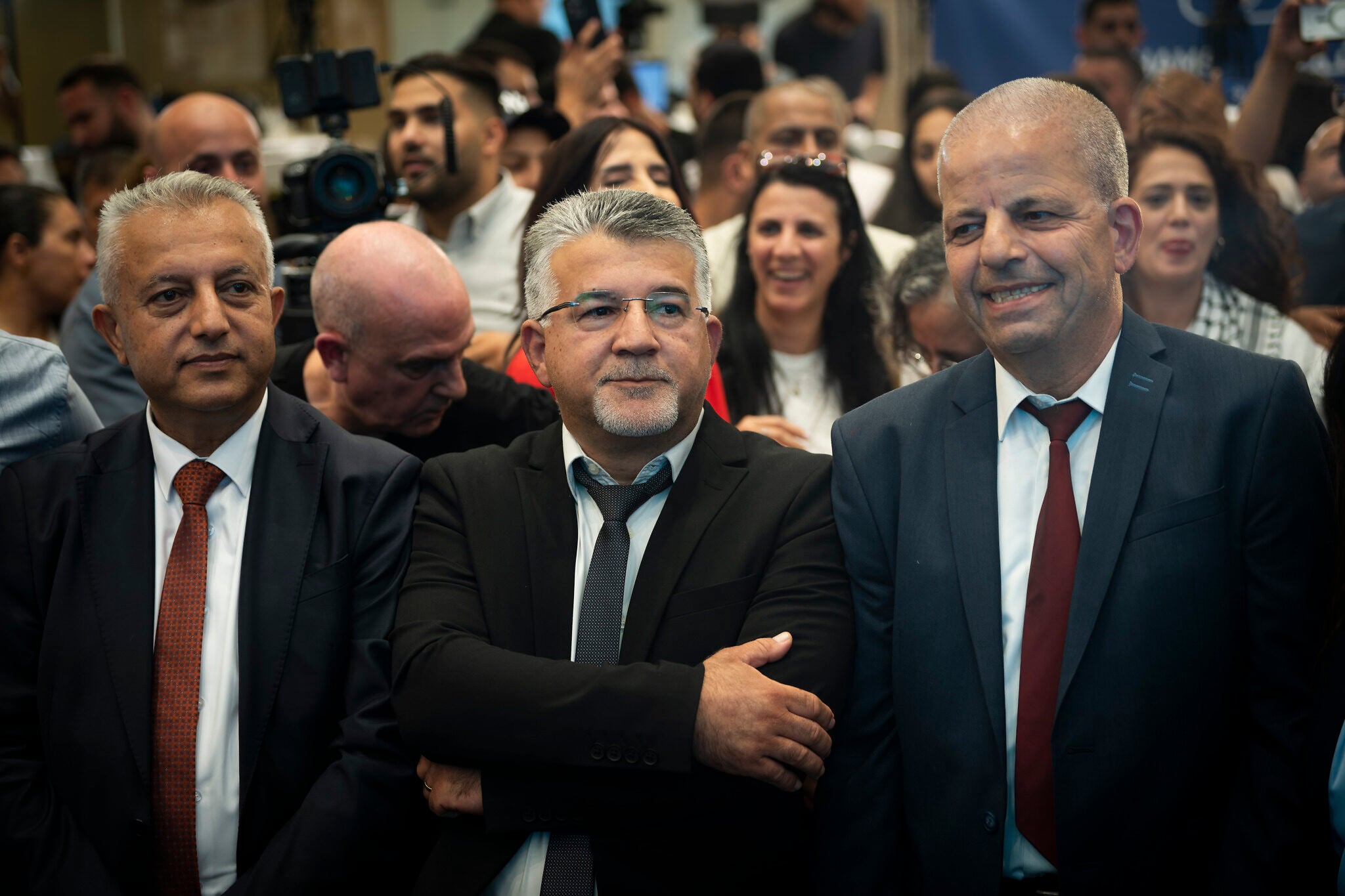
Yousef Jabareen, the Joint List’s leader, told The Associated Press on Wednesday he had not yet spoken to Eisenkot but was ready for talks. He said parties on his slate had not agreed on their conditions, but hoped for protections and equality for Arab citizens, and promised to revive the peace process.
Above all, he recognized the desire to see Netanyahu gone.
“We have promised our community to do our best to get rid of this fascist government,” Jabareen said.
KioskNews shows a cleaned-up reading view extracted from the publisher’s page — the original always lives on their site, not ours.