Vegetables are now half as nutritious than 60 years ago. Experts have worked out why

Wheat, apples and carrots are half as nutritious as they were in the 1960s, a new study has suggested.
Due to declining soil quality the nutrients in fruit and vegetables have also drastically declined.
The study, by researchers at Deep Science Ventures (DSV), found twice the number of fruit and vegetables need to be eaten today to get the same level of minerals such as potassium, magnesium or copper than 60 years ago.
Researchers found food such as cereals and bread, as well as carrots, apples and peas had lost 20 to 50 per cent of several key nutrients.
But reduced nutrients in crops combined with the rise of GLP-1 weight-loss drugs, such as Ozempic and Mounjaro, could push around 5 million UK working-age adults below safe levels of essential vitamins and minerals, experts warn.
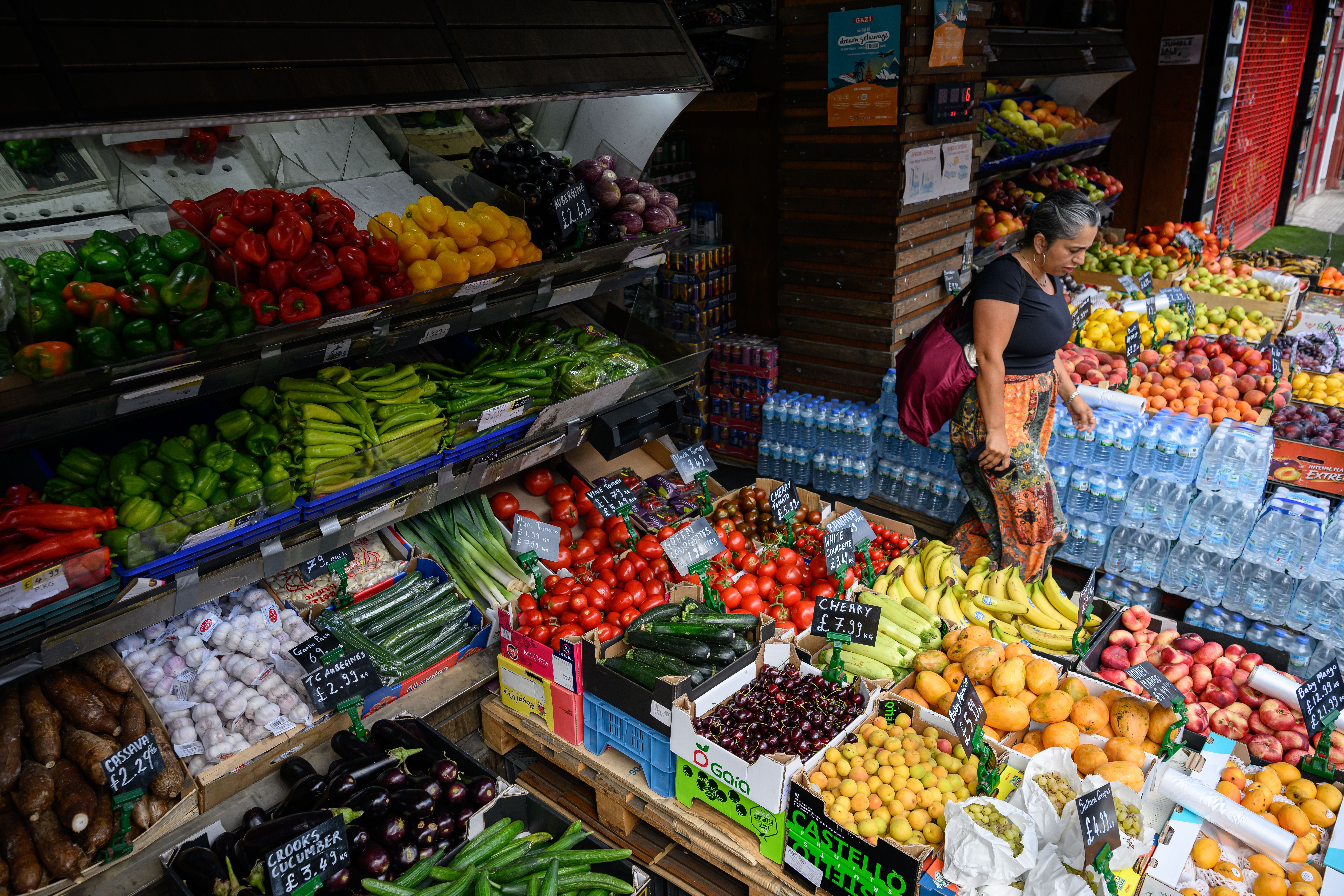
"For sixty years we've measured food security in calories and tonnes per hectare, and on those measures we've done remarkably well. But we've been quietly hollowing out what's inside our food,” Will Summers, senior associate, climate at DSV said.
“As weight-loss drugs mean people eat less, the nutritional quality of every bite starts to matter much more. The good news is that we already have the tools to fix this, in breeding, soil health, markets and policy. What's been missing is the recognition that this problem is worth measuring and solving at its source."
The study argues that decades of breeding and farming to increase yield have reduced many nutrients in crops.
Cereal yields per hectare are up 215 per cent since the 1960s, and undernutrition in the developing world has fallen from 35 per cent to 12 per cent.
But study authors warn more than 2 billion people still have at least one clinical micronutrient deficiency. This is well documented in countries including the UK and US, where diets can be high in calories but still low in nutrients such as selenium and folate.
Good sources of selenium include wholegrains and Brazil nuts, but with the nutrient density of wheat declining, women would now need to eat four slices of wholemeal bread to get just a third of their recommended daily selenium intake, the report suggests.
Researchers found that fewer than a third of bread-wheat varieties released since the 1960s meet the recommended zinc target, for example.
But the health impacts are serious. Selenium deficiency weakens the immune system and raises the risk of heart disease. A zinc deficiency can impact the skin, hair and immune system.
An Iron deficiency causes fatigue and poor concentration. Low potassium intake can raise stroke risk by up to 21 per cent, and strokes already cost the UK around £26 billion a year.
Sian Ferguson, Trust Executive at The Mark Leonard Trust said: "Healthy soil is the foundation of healthy food. This report shows that rebuilding soil health is one of the few measures that can improve nutrient density, yields and climate resilience all at once, and farmers can do it profitably today.”
KioskNews shows a cleaned-up reading view extracted from the publisher’s page — the original always lives on their site, not ours.