British Museum bans photos of Bayeux Tapestry as crowds flock to display
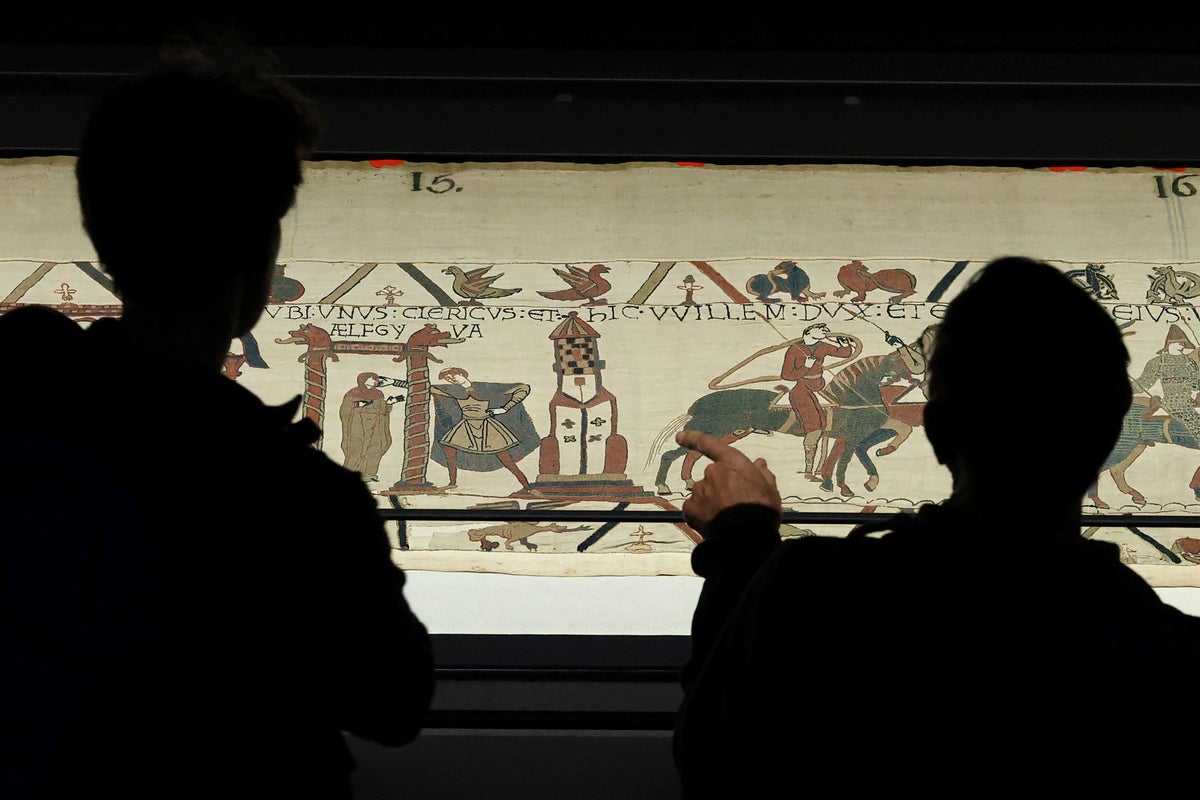
Visitors to the British Museum are no longer permitted to take photos of the Bayeux Tapestry.
The famous woven record of the Norman Conquest went on show at the London museum on 10 September, marking its return to the UK after almost 1,000 years.
However, under two weeks later, members of the public have been banned from photographing the famous 70-metre-long artefact.
While museum curators had initially allowed ticketholders to take pictures, the new restriction was introduced because crowds stopping to photograph the artwork were causing delays and preventing others from gaining access to the historic exhibition.
In a statement, a British Museum spokesperson said: “There has been enormous interest in viewing the tapestry, and our priority is to ensure that all visitors have the best experience possible.
“In order to do this, we have made the decision to restrict photography while people are moving along the length of the tapestry.”
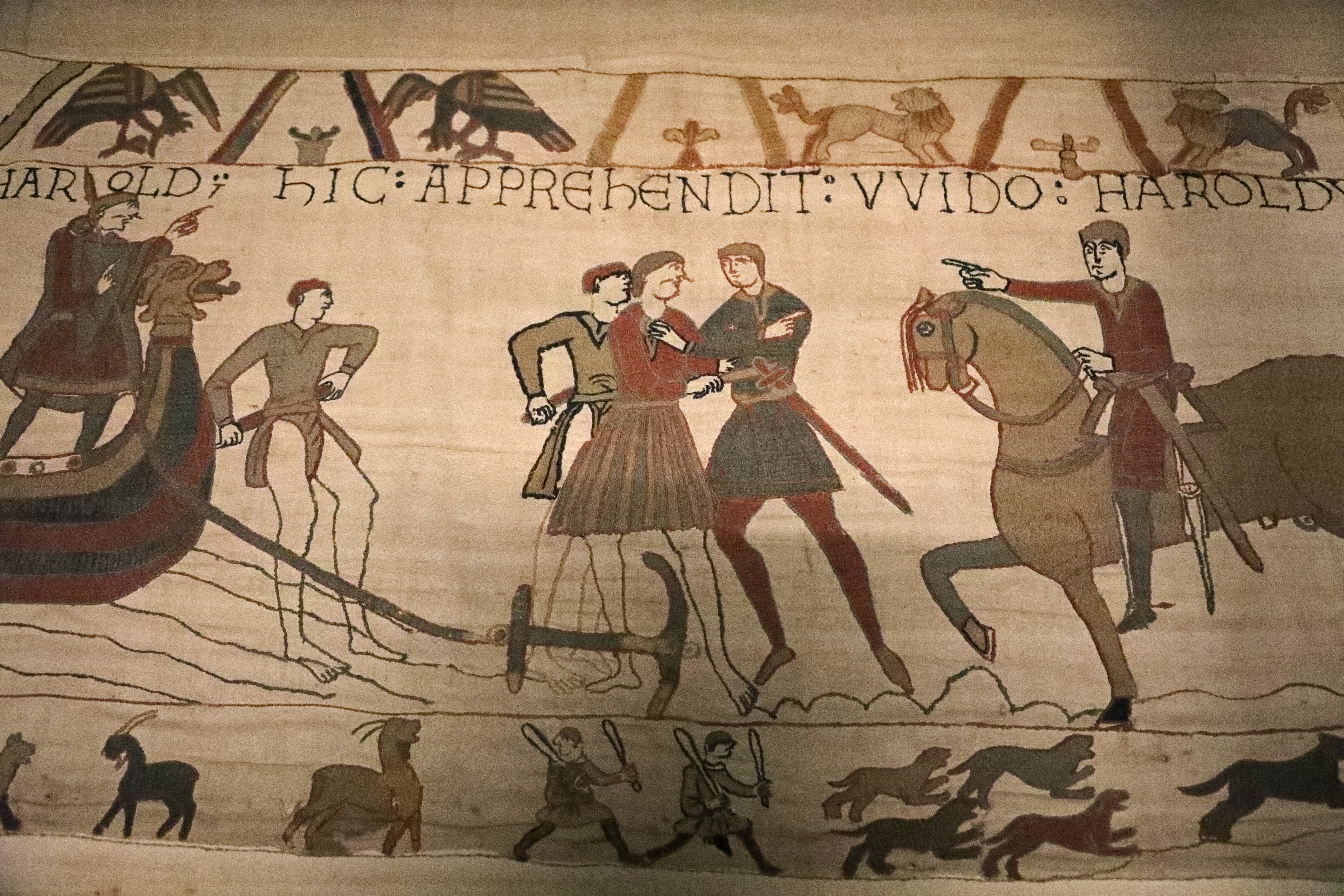
Before it went on display, the British Museum said demand to see the “once-in-a-generation exhibition has already been unprecedented”.
When general admission tickets went on sale in July, the museum recorded the single biggest day of ticket sales in its history, generating more than £2.4 million in sales in the first 24 hours.
Tickets to the exhibition are sold out until the next release on 21 October.
The tapestry is considered to be one of the wonders of the medieval world.
It offers an insight into life in 11th century England both before and after the conquest – from castles, warfare and ships to clothing, food and furniture.
It was likely to have been commissioned by a Norman patron and made by English embroiderers, using manuscript drawings from Canterbury.

Michael Lewis, one of the four curators of the exhibition, called the Bayeux Tapestry a “really precious work of art”.
He previously said: “1066 is, of course, one of the most important events in English history, and the tapestry is the ultimate reflection of that in terms of a visual narrative.
“Some people see it as akin to a graphic novel or a cartoon or something like that, it’s immediately recognisable. When they look at it, they can get it straight away. It’s not like a dusty history book where it’s quite hard to decipher. There’s action going on, and even if you don’t understand all of the story, you enjoy it.
“So I think that’s what makes the Bayeux Tapestry such an important thing. And of course, the fact that the French state has allowed it to come to the UK and be displayed at the British Museum is an enormous act of diplomacy.
“So it’s a fantastic thing to have happened, and I’m just so happy that it’s happened in my lifetime.”
He added that he thought people would be “talking about this for generations and generations, that they were there in London to see the Bayeux Tapestry when it came to this country”.
The Bayeux Tapestry is at the British Museum until 11 July 2027.
It has been on display at the Bayeux Tapestry Museum in Bayeux, Normandy since 1983 and will return there when the museum reopens after renovation.
KioskNews shows a cleaned-up reading view extracted from the publisher’s page — the original always lives on their site, not ours.