US suspends permanent residency program for Microsoft, Adobe and other tech companies
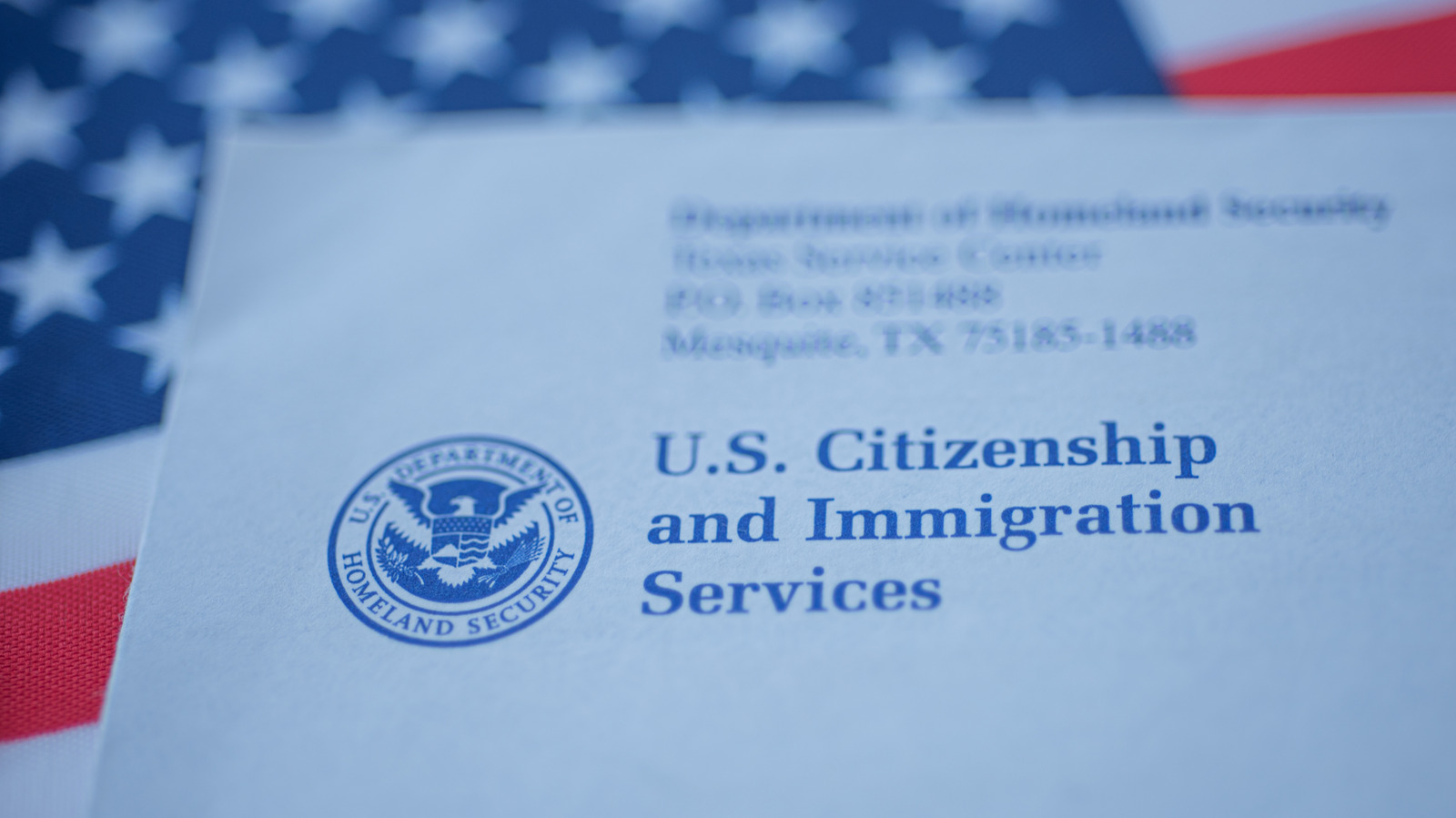
Seven companies have been accused of fraud regarding the H-1B worker visas.
Evgenia Parajanian/Getty Images
The US government has suspended several tech companies' access to an H-1B visa program for skilled international workers. Microsoft and Adobe are the two biggest tech brands targeted in today's announcement. The other five businesses that have seen their programs frozen are Cognizant, Infosys, Tata Consultancy Services, Wipro, HCL Technologies and Capgemini. "We will not accept any new or process any pending permanent labor certification applications involving these companies," Labor Secretary Keith Sonderling said.
The announcement by Vice President JD Vance claimed that the targeted businesses had abused federal programs that allow workers on H-1B visas to apply for green cards. He alleged that the companies have intentionally under-advertised jobs domestically in order to seek out international employees rather than hiring American citizens and particularly called out Microsoft as a reported offender.
"They will use that lack of response to then go and replace American workers with what is effectively foreign indentured servants," Vance said. "There has been no company in the United States, unfortunately, that has used this system more than Microsoft."
Reuters reported that according to statistics from the US Citizenship and Immigration Services department, Amazon is the top employer of H-1B visa recipients, followed by Tata Consultancy Services, Infosys, Apple and Microsoft.
In a statement, Microsoft noted that "the vast majority of Microsoft employees in the United States are Americans." It continued, "We look forward to providing the Administration with additional information. For example, of the approximately 6,000 H-1B visa applications we submitted in the last fiscal year, 80 percent were to extend or change the status of existing Microsoft employees. These were not to hire new people. The remaining filings for new employees were for individuals already legally in the United States who decided to come work for us, and they equal only 1 percent of our U.S. workforce. They are not new arrivals to our country."
"Microsoft only files H-1B petitions for those who meet the rigorous standards of this visa category," the company said. We've reached out to Adobe for comment on the situation as well, and will update this post if we receive a statement.
In August, the Department of Justice won a $3.2 million settlement from OpenAI on similar claims that it under-advertised job openings domestically and instead "preferred workers with temporary employment visas." Similar cases were also brought and settled against Meta in 2021 and Apple in 2023.
In a related move, the government also said it would investigate nine higher education institutions, including Harvard University, Yale University and Stanford University, for similar alleged abuses of J-1 visa programs for international students.
KioskNews shows a cleaned-up reading view extracted from the publisher’s page — the original always lives on their site, not ours.