Japan government criticised over conspiracy-theory YouTuber in security PR push
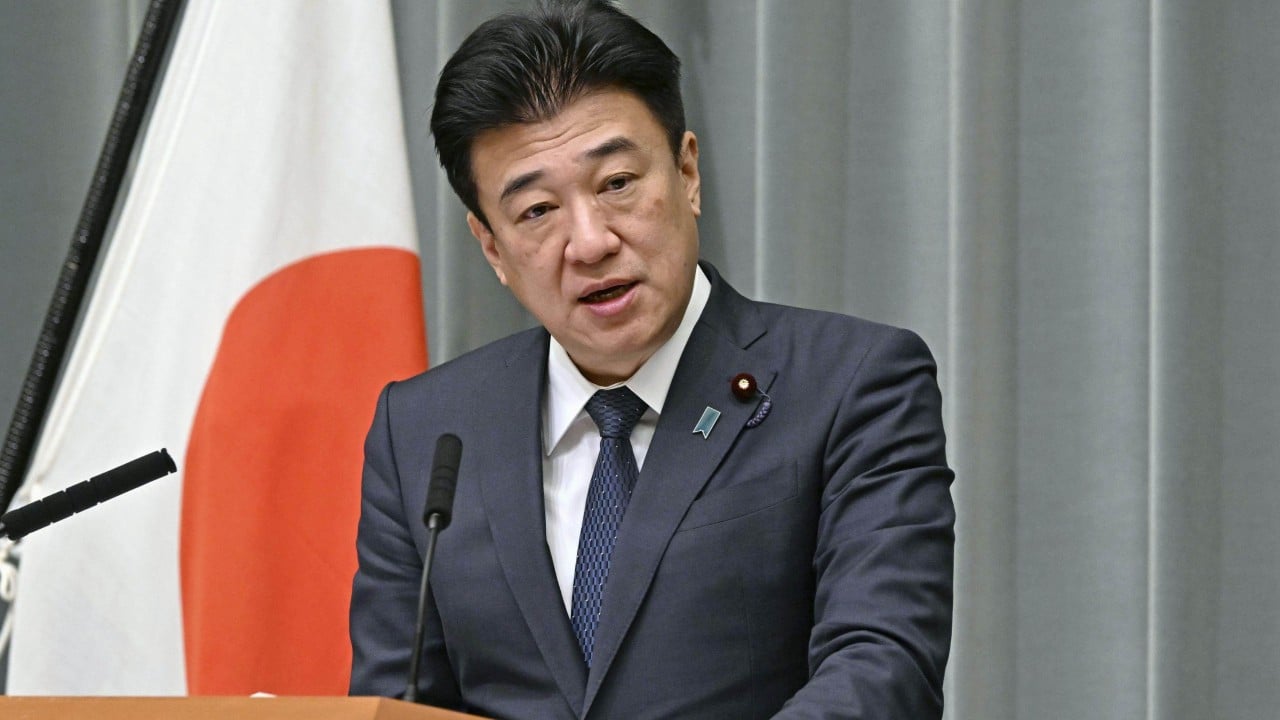
The Japanese government has faced a wave of criticism for featuring a conspiracy-theory-oriented YouTuber in its public outreach regarding national security policy, with the controversy putting Prime Minister Sanae Takaichi’s administration under pressure.
While the government argues that the initiative is intended to reach younger audiences, opposition parties and users on social media warn it could undermine the government’s own credibility.
While some experts call for time to assess the impact of the move, concerns are growing that conspiracy theories could be lent legitimacy, potentially causing disruptions to socioeconomic activities and national security.
On Thursday, Chief Cabinet Secretary Minoru Kihara said at a press conference that the government had not comprehensively checked the personal beliefs or past statements of the YouTuber, known as Naokiman, before selecting him to appear in its publicity campaign.
Asked whether he had reviewed the material before its release, Kihara said he had received a briefing beforehand. Naokiman discusses topics that might be regarded as misinformation and disinformation.
The government campaign featuring Naokiman uses the catchphrase “This is no urban legend” to highlight issues such as Japan’s dependence on Middle Eastern oil and the rise in cyberattacks.
Kihara, the top government spokesman, added that the approval process, including the selection of an advertising agency, was handled at the Cabinet Office, with the final decision made by public relations chief Norihisa Hara.
Hara said at parliament that the government had reviewed multiple proposals and awarded the contract to the bidder with the highest score. He added several reviewers evaluated the proposals based on factors such as the appropriateness of their publicity strategies.
The publicity campaign is a new special feature explaining Japan’s national security and energy situation. Opposition lawmaker Kiyomi Tsujimoto expressed concern that it could lend legitimacy to conspiracy theories and called for the project to be withdrawn.
KioskNews shows a cleaned-up reading view extracted from the publisher’s page — the original always lives on their site, not ours.