‘I’ve finally got my son back – but my cruel IPP sentence means he could be taken away again any time’

A mother whose toddler was removed from her care over a petty crime she committed 20 years ago has finally been reunited with her son after a months-log court battle.
Joshua*, who was not yet two, had never spent a night away from his mother when police knocked on her door in January and hauled her to prison, forcing social services to put him in foster care.
Rachel* had been recalled under a draconian Imprisonment for Public Protection (IPP) jail term, which she received for a street robbery she had committed two decades earlier.
The recall was triggered by a single call to police from a teenage neighbour over an alleged alcohol-fuelled altercation with a family member days earlier, which she disputes ever happened and has not resulted in any charge.
Although she was released in just eight weeks after Ministry of Justice officials ruled the recall was not needed, Rachel has spent almost nine months battling to prove to a family court that Joshua can be safely returned to her care in a series of hearings which The Independent was given exclusive access to attended.
After nearly a year of heartache, a family court judge this month ruled that parental responsibility can be returned to the mother.
“I am just so happy, I can’t even find the words,” Rachel told The Independent, as Joshua played happily in the background, having seemingly bounced back from the separation.
“It should never have got to this. There’s no need to be here over an allegation, which is why it's all happened.”
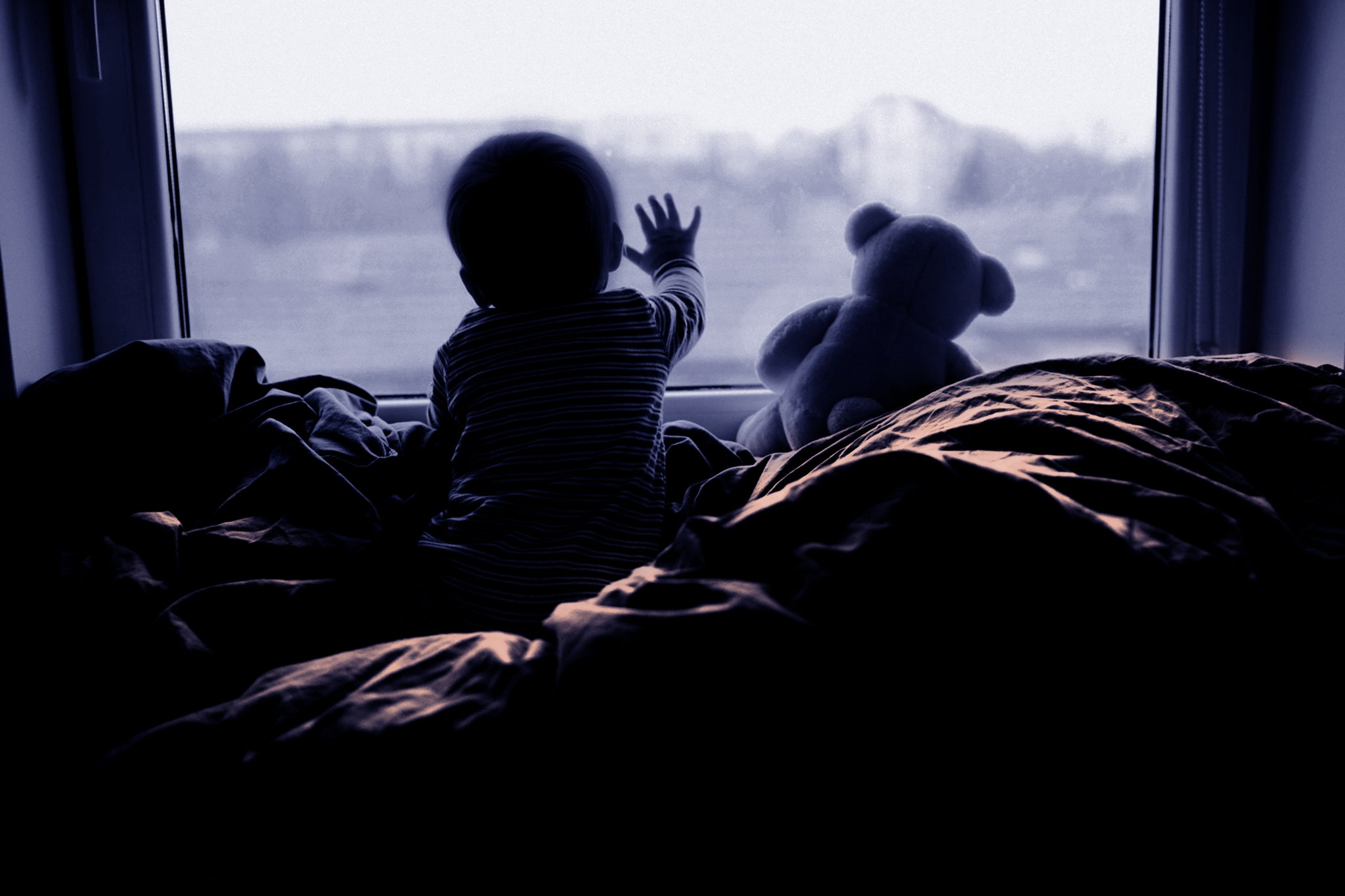
Despite her relief, she lives in constant fear of the hair-trigger recall process under the terms of her strict IPP licence, which still threatens to rip her family apart.
“What scares me is the fact that they will keep using my IPP for my parenting,” she said, adding she is constantly on edge that the slightest slip up could land her back in prison.
“I have been on it 21 years now. I feel like I am being treated like I have killed somebody.”
Rachel is among thousands of people still trapped under the controversial jail terms, which were outlawed in 2012, but not retrospectively. The open-ended punishments, introduced under New Labour in a bid to be tough on crime, were handed to many repeat offenders, even if their crimes were minor.
The ill-conceived sentence has left thousands trapped in prison for up to 22 times their original minimum term, while others – such as Rachel – have found themselves in a vicious cycle of recall, often for breaches of strict licence conditions.
Unlike most prisoners, who serve a fixed 56-day recall, IPP offenders are returned to prison indefinitely. On average, they serve 25 months in jail each time they are recalled, regardless of whether licence breaches or other allegations are proven.
Rachel was handed an IPP following a string of previous convictions after being groomed into sex work as a child and struggling with drug misuse. She was told she must serve a minimum of 17 months when she was sentenced in 2006 for the robbery, but has spent two decades in and out of custody until she fell pregnant with Joshua, who was her “chance” at a new life.
The IPP licence was cited in court papers as a reason for Joshua’s removal from her care, noting: “IPP recalls are sudden and unpredictable, creating ongoing instability for Joshua, who is a very young child.”
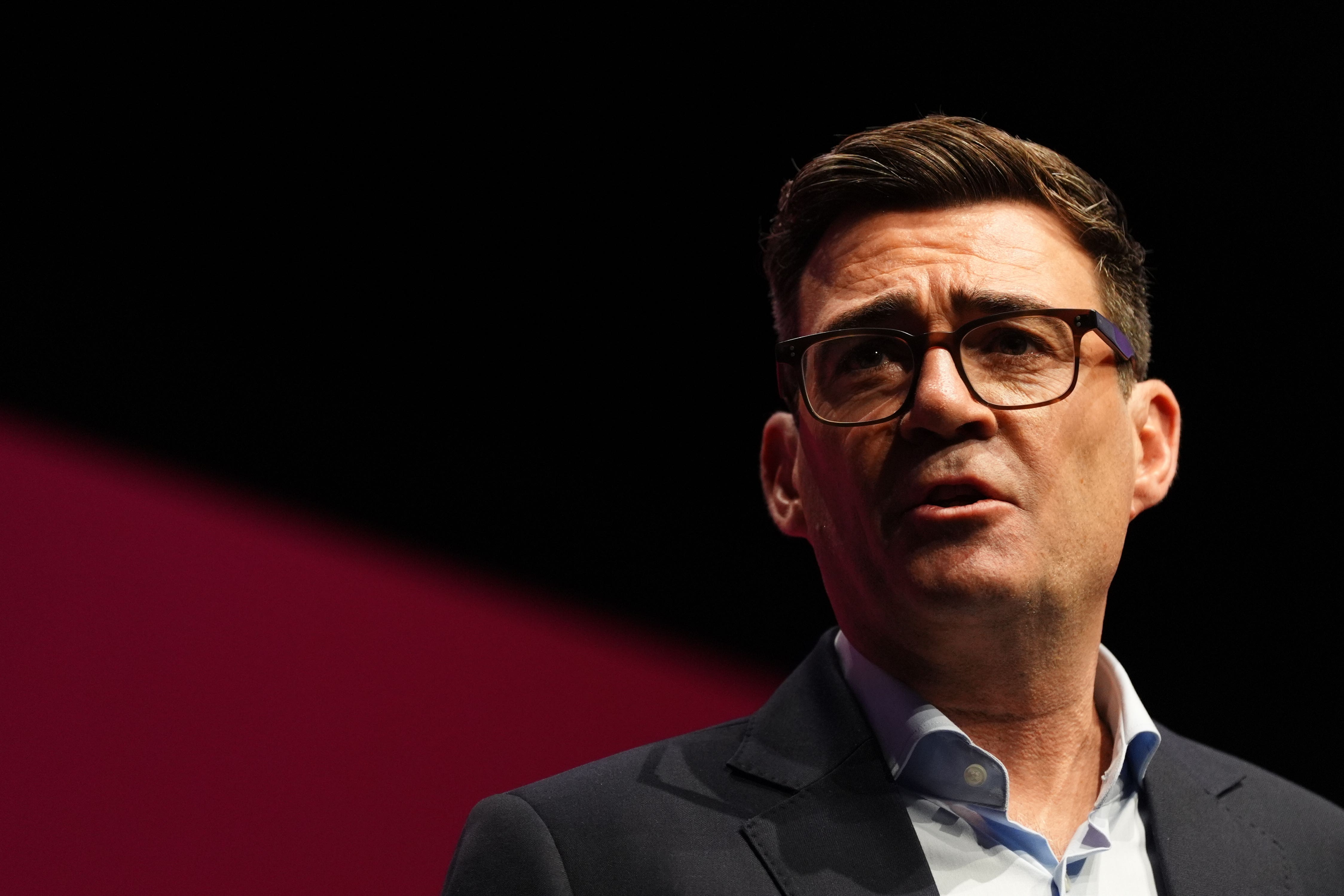
Prime minister Andy Burnham has finally promised to end the “long-running injustice of IPP jail terms before the end of this parliament. And this week, justice secretary Alex Norris, described the legacy of the sentence as a “grotesque spectacle”.
But plans to put it right are expected to take time and, for now at least, Rachel must wait until 2028 until she can apply have her licence terminated.
“I can’t wait for it to end,” she added. “I have been on it that long, it would just be a relief.”
Rachel described the day she handed Joshua to social services as the worst of her life. In the weeks that followed, she said it felt like her “heart had been ripped out” as she anxiously waited to find out if she would be re-released, only seeing Joshua during weekly visits at the prison.
When she was freed, Rachel’s time with her son was limited to four “intrusive” supervised visits a week. This was relaxed to supported visits after five weeks, during which Joshua is dropped off for three hour-long visits, with regular checks from social workers.
She was anxious that Joshua would struggle when he was first allowed home full time on an interim basis in July, after six months in a foster placement. But the Spiderman-obsessed toddler is already thriving, according to assessments by the local authority.
Despite the glowing reports about her parenting, Joshua’s appointed guardian during the family court proceedings had urged the judge to impose a care order, which would have given the council shared parental responsibility for Joshua long-term.
This was opposed by both the local authority and Rachel, whose lawyer insisted he had never seen a more “robust and rigorous” supervision plan in his entire career in the family courts.
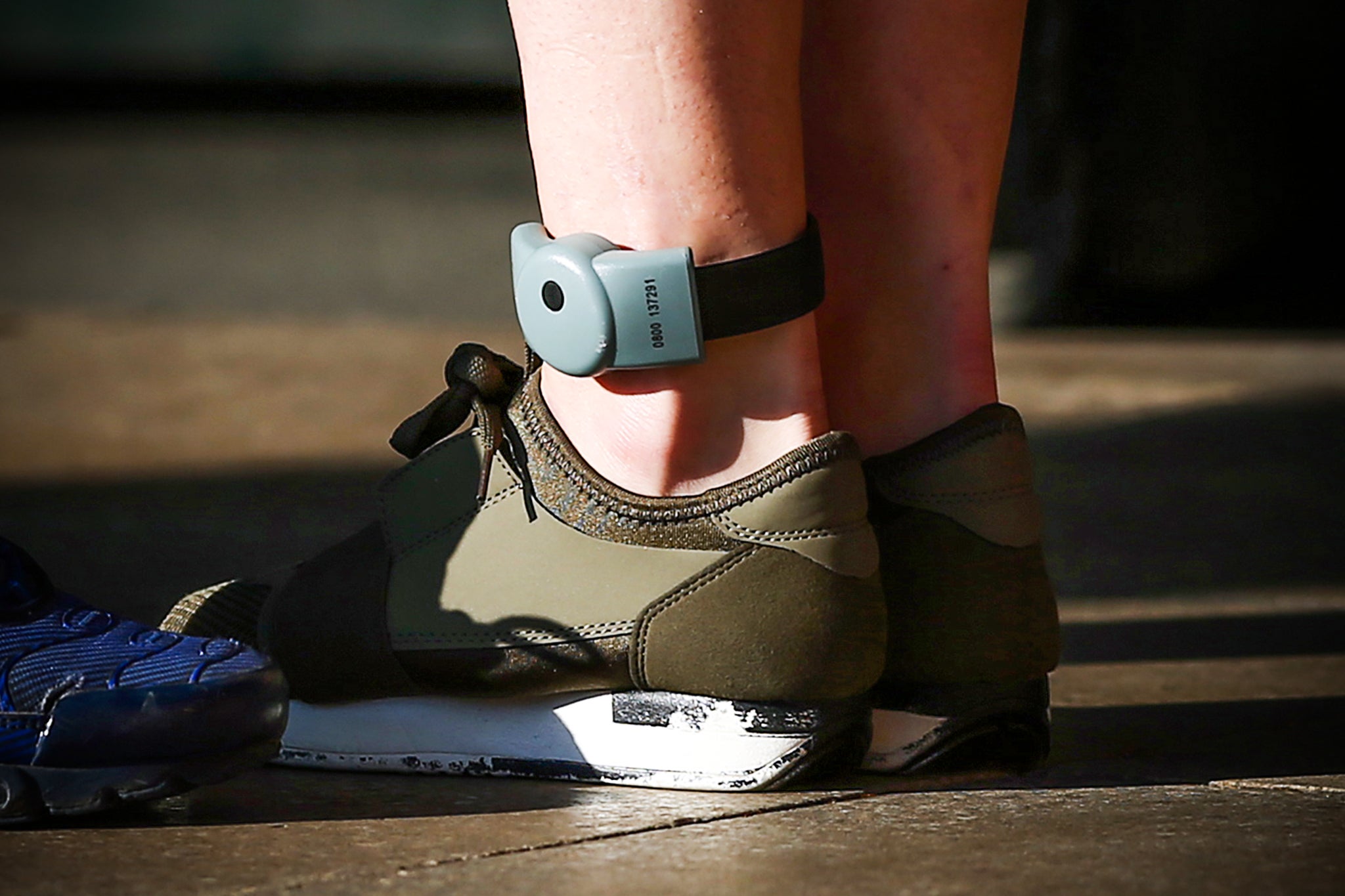
The mother, who wears both a GPS tag and an alcohol tag, is being monitored by probation 24/7 and is subject to a 12-month supervision order, with multi-agency support.
She is being watched so closely that she was reported for buying cans of beer for her neighbour in her local shop, even though it is accepted that they were not for her, the court heard.
“Where she is and what she’s doing is very, very closely monitored,” the judge pointed out, before he declined to impose a care order. The judge told Rachel he was “delighted” to read reports of her progress as he restored parental responsibility to her.
The mother said she welcomed the pledge from the prime minister to finally end the injustice of IPP sentences, adding that officials should stop “acting on things without finding out the facts”.
She has never been arrested or questioned over the alleged incident which led to her recall.
“It's hard because obviously I am not committing a crime, I am not taking drugs, I am not hanging around with negative people, I have moved into a new area,” she said. “It’s just this IPP scrutiny is constant.
“I think they need to look into the people that it has affected. It’s affected my mental health, because it's like I am not in charge of my own life.”
The uncertain nature of the IPP sentence has been described as “psychological torture” by the United Nations, which has raised repeated concerns with the government. At least 96 people have taken their own lives in prison after losing hope of getting out, with a further 37 suicides in the community where offenders live under the constant fear of recall.
*Names in this article have been changed to protect the family’s right to anonymity
KioskNews shows a cleaned-up reading view extracted from the publisher’s page — the original always lives on their site, not ours.