How chronic illness can raise the risk of severe dengue
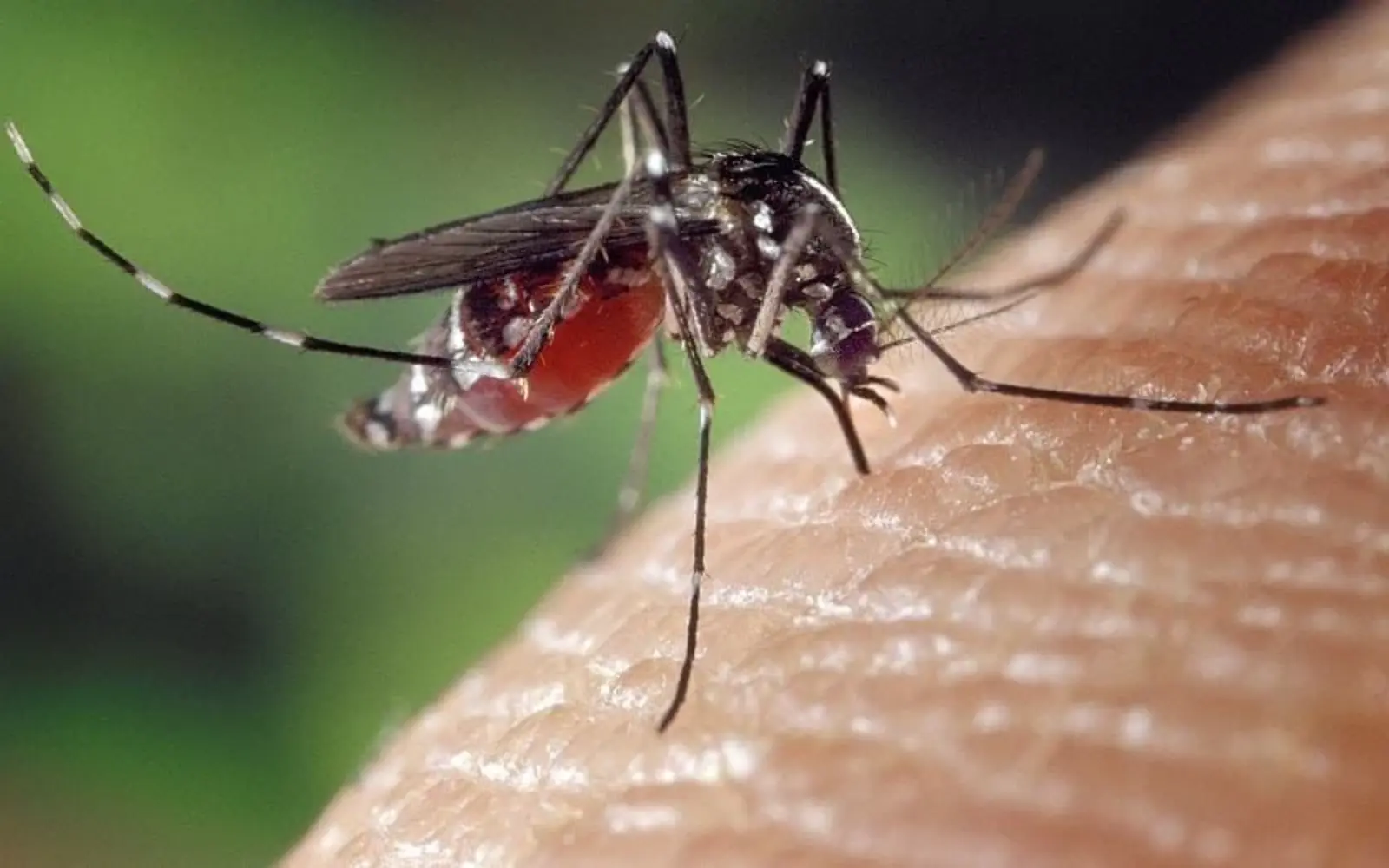
Grace Ooi thought she knew what dengue felt like. She had first contracted the illness in secondary school and spent several days in hospital.
But when dengue struck again in 2013, the experience was far more severe. Her fever rose and fell for almost a week, and by the time she was admitted, her platelet count had dropped to single digits.
She needed a blood transfusion and spent three days in intensive care.
“I didn’t know a second dengue infection could be more severe, or that having hypertension could make things worse,” said Grace, now 45 and living with diabetes and hypertension.
Her experience highlights a risk many people may not realise: dengue can become more dangerous in those with chronic illnesses, while a second infection with a different virus type can also carry a greater risk of severe disease.
According to communications minister Fahmi Fadzil, the number of dengue cases in the country rose by 66% to 65,979 as of epidemiological week 35 this year, compared with 39,616 cases recorded during the same period last year.
The health ministry has linked the increase partly to dengue’s cyclical pattern and a shift in the dominant virus type, with DENV-3 now circulating widely.
Consultant emergency physician Dr Ganasan Chelladurai said the patients he sees affected most are often older adults living with obesity and diabetes.
“When they come to us late, management becomes much more difficult,” he said. His message is simple: do not wait for dengue to look serious before taking it seriously.
Dengue may start with fever, body aches and lethargy. But in some people, the illness can worsen just as the fever subsides.
Warning signs include persistent vomiting or diarrhoea, severe abdominal pain, spontaneous bleeding, difficulty breathing, marked weakness, confusion, poor appetite or sudden deterioration.
Ganasan recalled a young man who arrived at the emergency department with vomiting, diarrhoea and exhaustion but no fever. Only when questioned did he mention having had a fever three days earlier.

His blood pressure and platelet count were low, and testing confirmed dengue. Ganasan said this can be a crucial turning point, when complications such as bleeding or dangerously low blood pressure may develop rapidly.
“The fever can disappear just as complications begin,” he said, adding that older people and those with chronic illness may deteriorate more quickly.
When the body is already under strain
Conditions including diabetes, hypertension, heart or kidney disease and obesity have been associated with a greater likelihood of severe dengue, although the level of risk varies.
A 2026 study of hospitalised adults in northern Vietnam found that those with chronic conditions were about twice as likely to develop severe dengue. Another study in Brazil found a much higher death rate among hospitalised dengue patients with certain underlying illnesses.
That does not mean everyone with a chronic condition will develop severe dengue, or that otherwise healthy people are safe from complications. But those with underlying conditions may need earlier assessment and closer monitoring.
One case still weighs heavily on Ganasan. A man in his early 50s who had diabetes and obesity, and who smoked, continued working through two days of fever and body aches because he was his family’s sole breadwinner.
By the fourth day, he could barely get out of bed, eat or drink. Yet he feared hospital admission would cost him his next job and the income his family depended on.
He sought emergency care only after vomiting blood. Despite transfusions and intensive care, he died, leaving his wife to care for two young children without savings or a financial safety net.
Ganasan remembers her asking: “Doctor, I don’t know how to take care of my children. I don’t know how to move on.”
For him, the case is a reminder that dengue’s consequences can extend far beyond the patient.

So, why was Grace’s second experience with dengue worse than the first?
A previous dengue infection usually provides long-lasting protection only against that particular virus type, not all four. A later infection with a different type can carry a greater risk of severe disease.
DENV-3 is not automatically more infectious or dangerous than other dengue virus types. Its significance lies partly in population immunity: people who have not encountered it remain susceptible, while those previously infected with a different type may face a greater risk during a later infection.
A shift in the dominant virus type may, therefore, leave more people vulnerable, while chronic illness remains a separate factor that can influence severity.
For Ganasan, the priority is to look at the whole person: age, underlying conditions, previous dengue history and how quickly symptoms are changing.
Ultimately, prevention still matters. Removing stagnant water, covering water containers, using repellents and screens, wearing protective clothing and joining neighbourhood clean-ups all remain important.
Vaccination can add another layer of protection for some people, and those interested can speak to a healthcare professional about whether it is appropriate for them.
“Dengue does not affect only the person who falls ill,” Ganasan stressed. “The cases I have seen show how it can disrupt an entire family – the people caring for the patient, the children who depend on them and the plans they have made together.”
“That is why prevention matters. We each need to prevent breeding, protect ourselves from bites and act early when symptoms appear.”
Subscribe to our newsletter and get news delivered to your mailbox.
KioskNews shows a cleaned-up reading view extracted from the publisher’s page — the original always lives on their site, not ours.