What is severe drought – and where has it been declared in the UK?
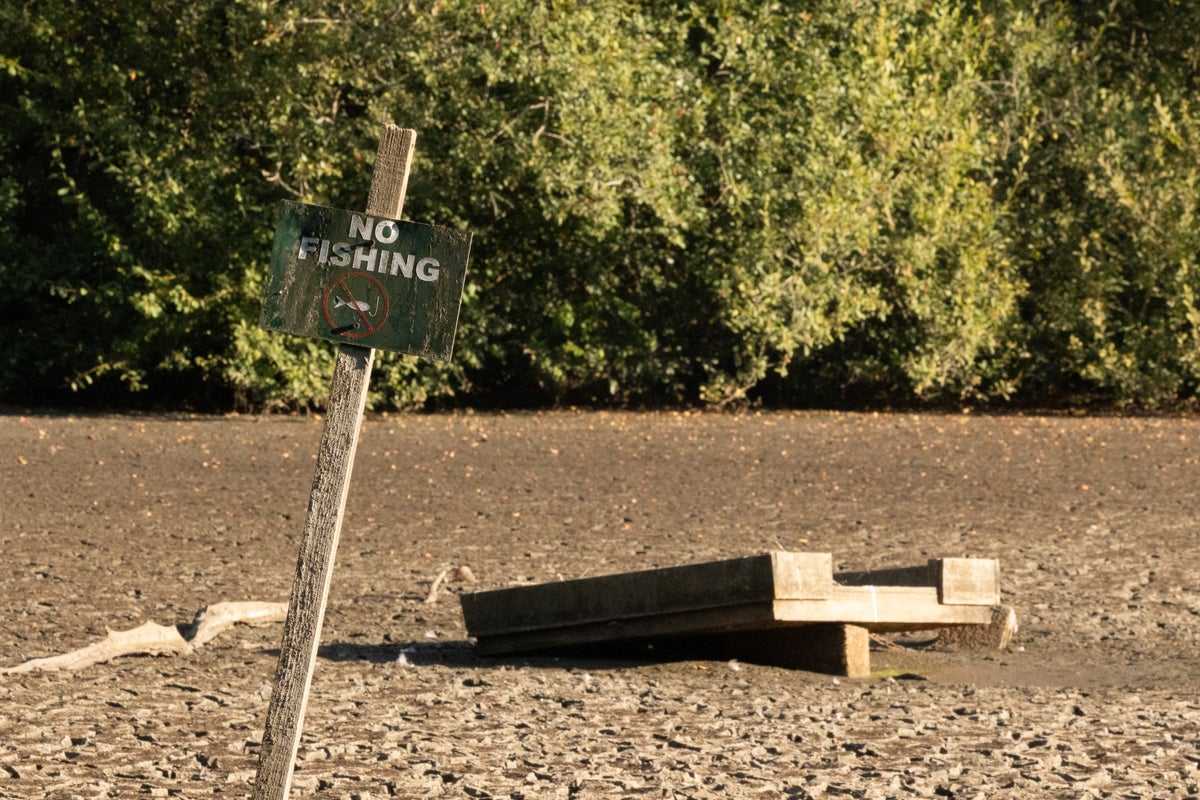
Severe drought has been declared in parts of southern England following a record-breaking summer.
Officials said the south east and south west have suffered their driest April to September for more than 100 years, while a number of reservoirs have been affected due to the persistent dry conditions.
Parts of Cornwall, Devon, Dorset, Somerset, East Sussex and West Sussex were declared in severe drought on Thursday after a summer that saw heightened demand for water.
Meanwhile, water companies have been told to step up drought planning amid efforts to protect public water supplies in the affected areas.
The announcement comes at a time of concern over two major reservoirs – both of which have seen water levels drop significantly below what would be expected at this time of year.
Ardingly in West Sussex, which supplies about 95,000 properties served by South East Water, is at 19 per cent capacity, while Wimbleball in Somerset, which provides for about 300,000 South West Water and Wessex Water customers, is only 16 per cent full.
According to the Environment Agency, the reservoirs are expected to be at 75 per cent capacity at this time of year.
It comes after Yorkshire was declared in drought last week due to dwindling water levels in rivers and reservoirs. As such, all of England is now in drought apart from the North West and North East.
Environment secretary Dame Angela Eagle said: “This level of drought is something we have not experienced for decades, so this Government is stepping up our support and planning.
“We are working closely with water companies to protect public supplies in the areas affected, and I’d continue to urge everyone to think about how they can use water wisely over the coming weeks.
She added: “Our strengthened Water Bill is all about taking back public control of our water companies.
“We are at the start of a decade-long journey to a very different water system, including nine new major reservoirs to secure supplies.”
What is a severe drought?
According to the Environment Agency, droughts “cannot be defined, as every drought is different”.
That being said, they occur when a period of low rainfall creates a shortage of water, reducing water supplies.
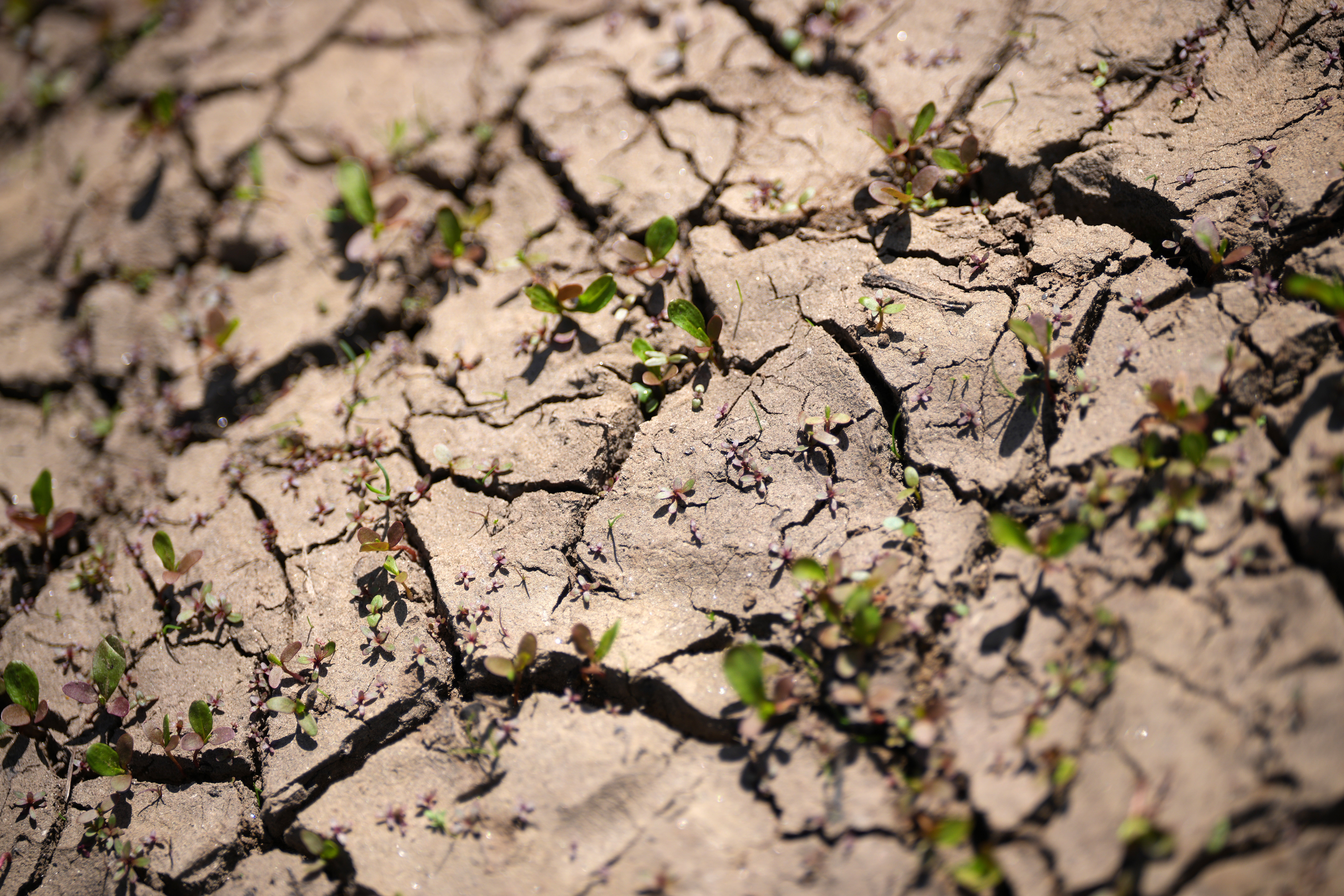
A severe drought, however, refers to “the highest level of drought that can be declared”, the agency says. “It’s declared when our evidence shows drought is causing, or will soon cause, serious harm, and that emergency action is needed to protect people, water supplies, the environment, farming, infrastructure or other critical services.”
In August, 71.3 per cent of England was in drought, while the North East and Yorkshire was under a “prolonged dry weather” status.
Persistent heatwaves over the summer left reservoirs and rivers depleted, revealing dry river beds as water levels sank.
Agricultural land, forests and fields turned brown in the heat. Farmers reported poorer yields as a result of the weather, with livestock farmers forced to use winter feed as a result of low grass growth.
KioskNews shows a cleaned-up reading view extracted from the publisher’s page — the original always lives on their site, not ours.