Minister admits new homes could be built on green belt land
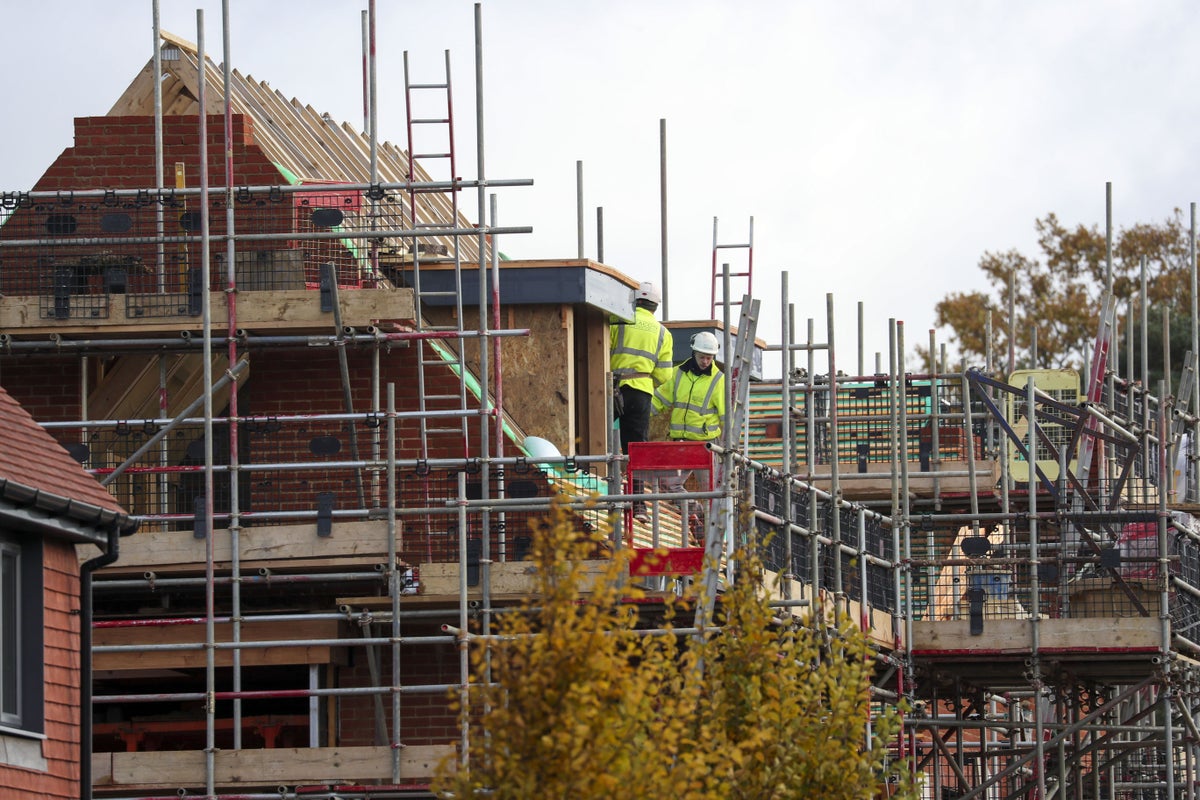
A Labour minister has admitted that new homes will be built on green belt land under government plans to loosen planning policy.
Thousands of new homes are set to be built around transport hubs in England under plans announced by the Ministry of Housing, Communities and Local Government.
The proposals include green belt land, housing minister Matthew Pennycook clarified on Monday.
“In exceptional circumstances, green belt land should be developed on”, he told Sky News, “these are sustainable locations for development.”
“We want to see new homes built on them to bolster economic growth to get development in the right places,” he said.
The Greenwich MP added that decisions to develop on the protected land will be subject to “golden rules”, including high rates of affordable housing and provision of new green spaces.
The green belt is made up of areas across England which are strictly protected from development. There are fourteen distinct green belts which form a ring around several cities and other built-up areas in the country, with the intent of preventing urban sprawl.
Under changes brought in by Labour in 2024, local councils are already expected to release “low-quality” areas of greenbelt land in their jurisdictions which could be re-designated as “grey belt” and developed on more easily, especially for housing.
The government’s new changes to the National Planning Policy Framework (NPPF) mean there will be a “default yes for homes within reasonable walking distance of well-connected stations” – including in areas within the green belt.
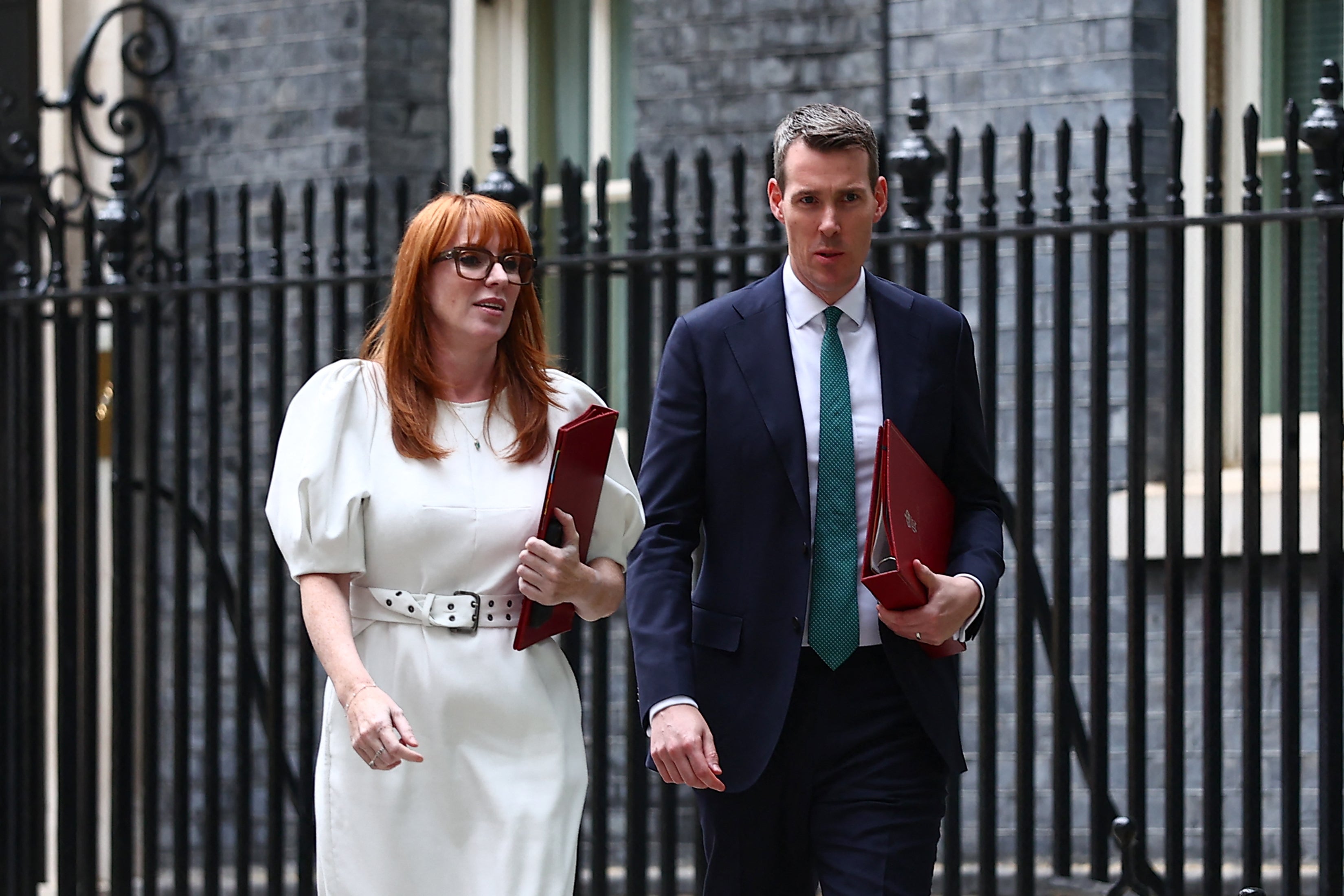
Announcing the changes, housing secretary Angela Rayner said: “A safe, secure home is the foundation of opportunity, but too many people are being priced out of the communities where they want to live and work.
“By unlocking thousands of homes around well-connected transport hubs, we’re helping people live closer to work, school and the services they rely on, while backing local businesses and driving growth in our communities.”
The NPPF is the government’s central planning rulebook for England, instructing local councils and housing developers on how to approach its building plans. Plans to loosen the regulations were first announced under Sir Keir Starmer’s administration, as the government works to get its faltering 1.5 million home target back on track.
Responding to Monday’s announcement, shadow housing secretary James Cleverly said: “To try to fix their own mess, Labour are planning a power grab, seizing control from local communities and forcing them to accept development in the wrong areas because Labour won’t build in the right areas.
“Labour’s planning power grab is exposing our green belt and countryside to unauthorised Traveller sites, and ministers are turning a blind eye.”
Think tank Centre for Cities welcomed the plan, saying it was “crucial to growth and productivity.”
Chief executive Andrew Carter said: “A default 'yes' to homes near stations is a vital reform that opens up space for high numbers of homes to be built in the long term, all of them well connected to jobs in major cities. These homes will provide more people with a place to live and access to higher income.
“Up to now, green belts that surround big cities have prevented development at key locations along commuter routes. Permission by default to build around stations opens these sites up for development again, without affecting more than a tiny fraction of green belt land.”
KioskNews shows a cleaned-up reading view extracted from the publisher’s page — the original always lives on their site, not ours.