Over a third of Singapore workers unsure they can spot CEO deepfakes, says KnowBe4 study
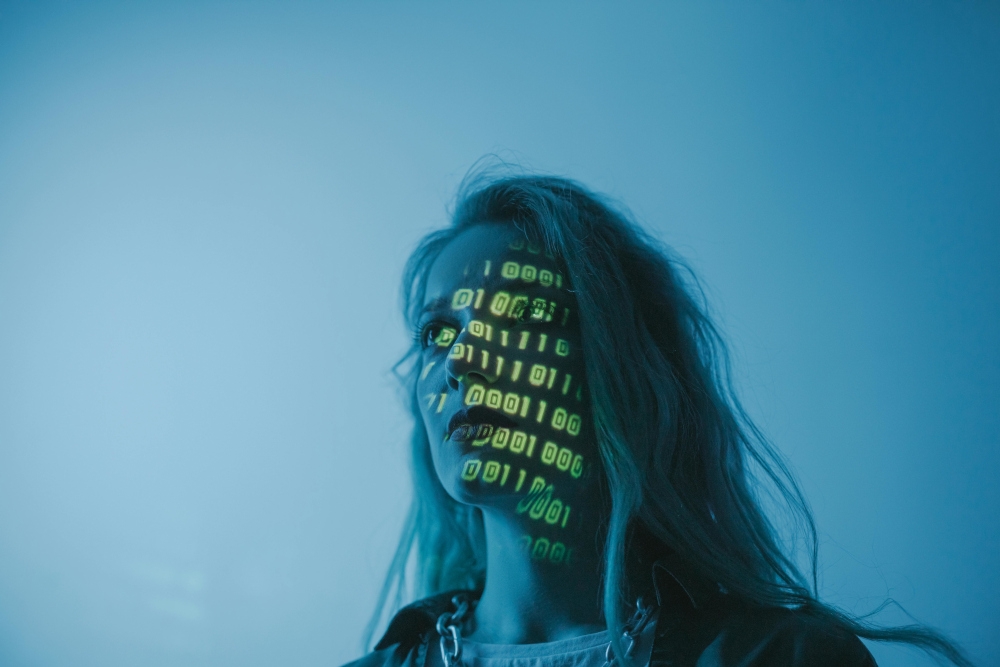

KnowBe4, a digital workforce security company, has found that more than a third (36 per cent) of Singapore office workers are not confident they could distinguish a genuine message from their chief executive officer from one generated using artificial intelligence, including voice cloning and deepfake technology. — Pexels pic
First Published: Wednesday, 14 Oct 2026 2:33 PM MYT
KUALA LUMPUR, Oct 14 — KnowBe4, a digital workforce security company, has found that more than a third (36 per cent) of Singapore office workers are not confident they could distinguish a genuine message from their chief executive officer (CEO) from one generated using artificial intelligence (AI), including voice cloning and deepfake technology.
The findings are from a report titled “Would You Know Your CEO’s Real Voice? Singapore’s Growing Deepfake Vulnerability”, based on a Censuswide survey of 500 office workers in Singapore. KnowBe4 released the report during Singapore International Cyber Week and GovWare.
In a statement, KnowBe4 Chief Information Security Officer advisor, Dr Kawin Boonyapredee said Singapore hierarchy works like a trust shortcut, one that AI-enabled scams are now designed to exploit.
“A cloned voice or a convincing message from ‘the boss’ doesn’t need to fool the technology. It only needs to activate an instinct not to question authority,” he said, adding that organisations need training and simulations to change behaviour at every level of seniority.
The research highlights a dual vulnerability in Singapore workplaces, where junior and middle-tier employees may hesitate to question senior leaders, while senior managers can be overconfident in their ability to identify deepfakes.
Half of the respondents (50 per cent) said they would feel uncomfortable challenging a request from a senior executive, while 52 per cent were concerned about potential negative consequences for doing so.
Meanwhile, 45 per cent said they would be equally worried about delaying a senior leader’s request as about accidentally causing a cybersecurity incident, while nine per cent would rather risk a security breach than delay their boss’s request.
Senior managers were the most confident in their ability to identify a fake, with 78 per cent expressing confidence. However, they were also the most likely to comply with a cloned CEO voice before verifying it, at 35 per cent, more than double the 16 per cent recorded among clerical workers.
Only 26 per cent of respondents had received training specifically addressing AI-generated scams involving senior leaders. Just 10 per cent identified employees trusting senior leaders too readily as the greatest cybersecurity risk in their workplace, suggesting that the vulnerability may be under-recognised.
The report said technology alone would not be sufficient to address increasingly convincing AI-enabled impersonation targeting senior leaders. Organisations also need to foster an environment in which junior and middle-tier employees feel safe speaking up, while encouraging senior managers to adopt stronger verification practices rather than relying on confidence alone. — Bernama
KioskNews shows a cleaned-up reading view extracted from the publisher’s page — the original always lives on their site, not ours.