7 Reasons Blade Runner 2099's Rotten Tomatoes Score Has Set An Unwanted Record

Ben Sherlock is a Tomatometer-approved film and TV critic who runs the massively underrated YouTube channel I Got Touched at the Cinema. Before working at Screen Rant, Ben wrote for Game Rant, Taste of Cinema, Comic Book Resources, and BabbleTop. He's also an indie filmmaker, a standup comedian, and an alumnus of the School of Rock.
When Blade Runner 2099 debuted on Rotten Tomatoes, it set an unwanted record with the lowest scores in the franchise, both from critics and audiences. Ridley Scott’s original theatrical cut of Blade Runner has an 89% approval rating from critics and a 91% approval rating from audiences. The final cut, released in 2007, has a slightly better critics’ score of 94% and a slightly worse audience score of 90%. Denis Villeneuve’s visually stunning but commercially disappointing sequel, Blade Runner 2049, recaptured the acclaim of its predecessor with 88% ratings across the board.
The reception to Blade Runner’s last TV spinoff, the anime miniseries Black Lotus, was more lukewarm than the franchise’s universally lauded big-screen output. It earned a 71% score from critics and a 66% score on the Popcornmeter, which was still “fresh” on both counts. When Blade Runner 2099 got fed into Rotten Tomatoes’ algorithm, it set a new low for the franchise.
Granted, Blade Runner has been one of the most consistently great sci-fi franchises, so being the worst-rated Blade Runner project isn’t as damning as being the worst-rated Star Wars project or the worst-rated MCU project — Blade Runner’s rock bottom isn’t that low. But even so, Blade Runner 2099’s scores were pretty dismal. It debuted with a barely-fresh 69% from critics and a rotten 48% from audiences. The scores have since stabilized, with a slightly better 70% from critics and a much more forgiving (but still ever-so-slightly rotten) 59% from audiences.
But why has Blade Runner 2099 proven to be so divisive? It’s been a massive streaming hit for Amazon Prime, and its stunning visuals, mesmerizing music, and powerful performances are undeniable. So, why is this show so polarizing?
Blade Runner 2099's Pacing Is Too Slow For Mainstream Audiences
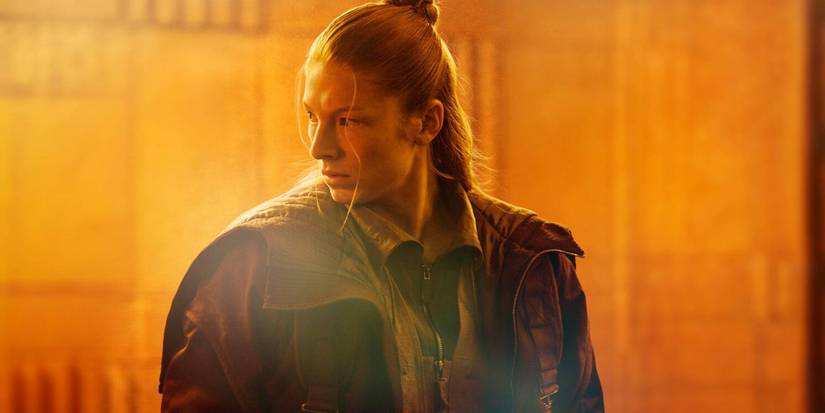
Blade Runner 2099 has a very slow, cerebral pace that’s rubbed some mainstream viewers the wrong way. It’s very much in line with the style of the movies, but it proved to be polarizing then, too. If Blade Runner and Blade Runner 2049 had been more traditional action movies with a zippier pace, they probably would’ve done better at the box office, but they wouldn’t be Blade Runner. The slower pacing gives us time to soak up the gorgeous cyberpunk visuals and stew on the complicated themes at play, but it also gives casual audiences plenty of time to grow frustrated with the lack of momentum.
It’s fair to assume that the audience reception to the series would’ve been even more hostile if Amazon had released one episode at a time over eight weeks. At least if you can binge-watch the whole thing in one go, you can race through the slow burn and get to the payoffs A.S.A.P. If this show was doled out one chapter at a time, that Popcornmeter rating would’ve just kept going down. Releasing it all at once, like Carrie or Neagley or Spider-Noir, was the right call by Amazon.
Some Reviews Find Blade Runner 2099's Story Confusing

In some of the more negative reviews for Blade Runner 2099, critics have complained that they found the story confusing. They were very impressed by the acting and the cinematography and the score and the visual effects, but found the story it was built around completely unengaging. It’s like a beautiful car without an engine.
To be fair, that’s par for the course in this franchise. Blade Runner has always been very obtuse and esoteric in its interrogation of what makes us human. The 2099 series maintains that spirit, but stretches it out for another five or six hours than Scott or Villeneuve did.
Blade Runner's Premise Works Better As A Movie

Television is a writer’s medium, and Blade Runner is a visual property. TV shows work best when they set up a world we want to immerse ourselves in, populated with characters we want to hang out with for years. But the world of Blade Runner is deeply disturbing, and the characters are all quiet, brooding, morally ambiguous loners.
Blade Runner 2099 feels more like a long movie than a TV show (another reason why the binging model was so well-suited to this particular show). It throws all the hallmarks of episodic television out the window. Each episode picks up where the last one left off, with no clear structure or order from chapter to chapter. Blade Runner 2099 is just as visually striking as its cinematic counterparts, but those striking visuals deserve to be seen on the big screen.
A Vocal Minority Review-Bombs Anything Featuring A Trans Actor

The sad but undeniable truth is that the audience scores on Rotten Tomatoes are skewed by a vocal minority of hateful bigots who review-bomb any movie or TV show that doesn’t align with their supremacist worldview. Captain Marvel empowers women, so it was review-bombed by misogynists. Ms. Marvel stars a Muslim superhero, so it was review-bombed by Islamophobes.
There are valid criticisms to be made about Blade Runner 2099, but there’s a certain section of the audience that decided they would post a negative review the second a transgender actress was cast as one of the leads. Hunter Schafer gives a wonderful performance in the series, but the Popcornmeter is still susceptible to bigotry.
Blade Runner 2099's Ending Is Subversively Anticlimactic

Like the movies, Blade Runner 2099 reaches a subversively anticlimactic end. But the difference here is that the TV show has a lot more buildup to its anticlimax. The movies’ bleak endings are the culmination of a single viewing experience, but the TV show’s bleak ending is the payoff to eight episodes’ worth of anticipation.
Some audiences appreciated the subversion, but others not so much. Blade Runner 2099 makes the concession of including a lot more action and spectacle than the movies, but at eight hours, it still wasn’t enough.
The Dialogue In Blade Runner 2099 Is Alienating

The dialogue in Blade Runner 2099 is really nuanced and ambiguous, and it’s steeped in subtext, and that can be alienating for some viewers. It can be irritating to watch characters say things without really saying them, and trying to figure out what they really mean.
Again, this is just like the movies, but it doesn’t exactly translate to TV. TV is the medium that made Aaron Sorkin’s snappy repartee so iconic, but Blade Runner 2099 has its characters waxing philosophical for eight hours straight. At least the actors all do a terrific job with the monologues; Tom Burke brings a real Shakespearean heft to his portrayal of Julius, the likes of which hasn’t been seen in a replicant since Rutger Hauer’s iconic turn as Roy Batty.
Blade Runner 2099 Is Style Over Substance
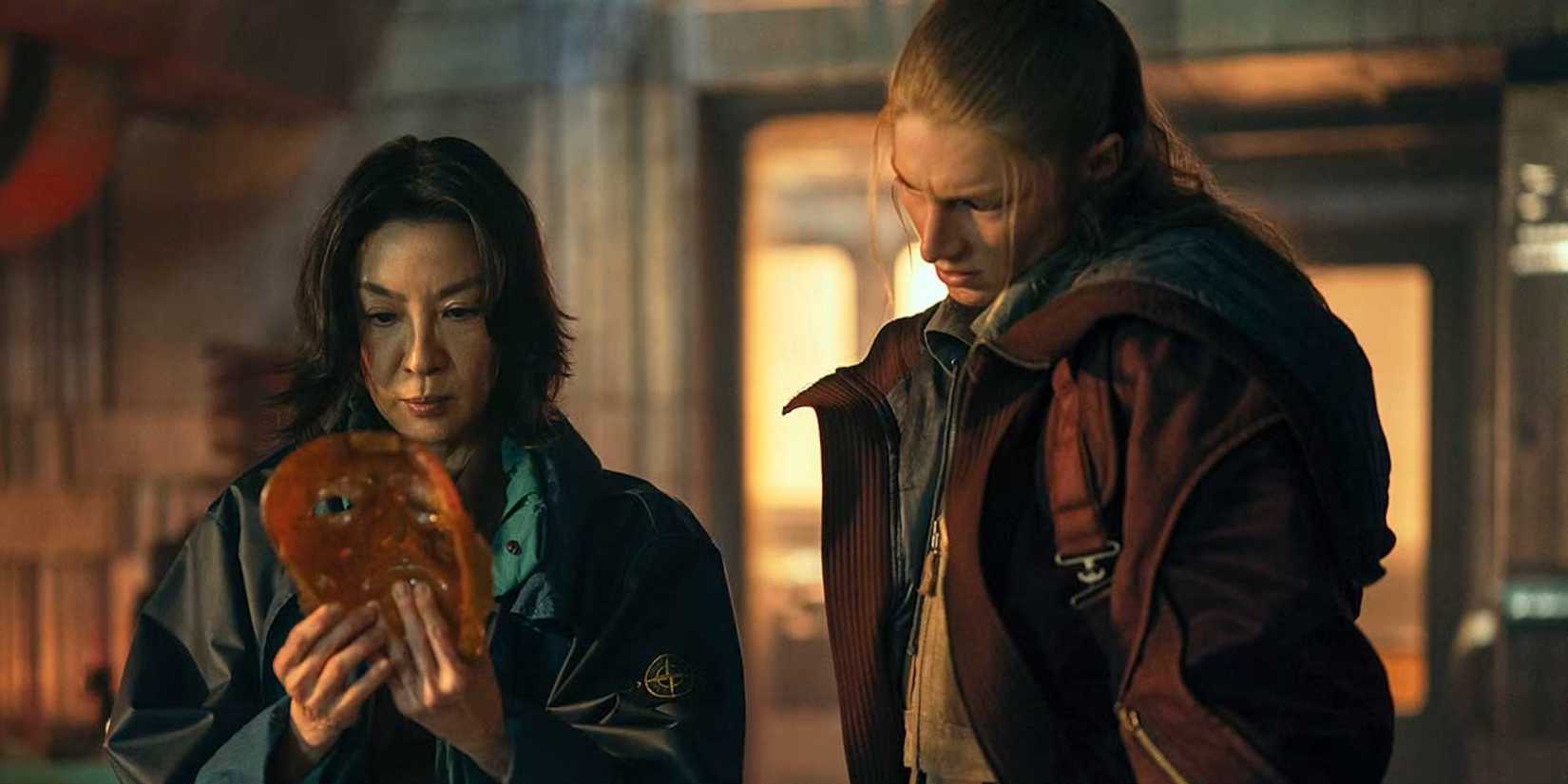
Ultimately, Blade Runner 2099 succumbs to the issue of style over substance. Some parts of the show are absolutely deserving of praise — Leopold Ross’ synthy score would make Vangelis proud, the cyberpunk visuals are some of the most mind-blowing ever put on-screen, and Schafer and Michelle Yeoh anchor the series with a pair of powerhouse performances — but there are also some aspects of Blade Runner 2099 that don’t work as well, and those are the most fundamental aspects.
The music and visuals are incredible, but they’re just superficialities to spruce up the storytelling, and the storytelling is the weakest part of Blade Runner 2099. The plot is overly convoluted to make up for its limited thematic substance, and Schafer and Yeoh have to bring depth to their characters that isn’t on the page. Blade Runner 2099 has vivid visuals, mesmerizing music, and powerful performances, but they’re all built around thin writing.
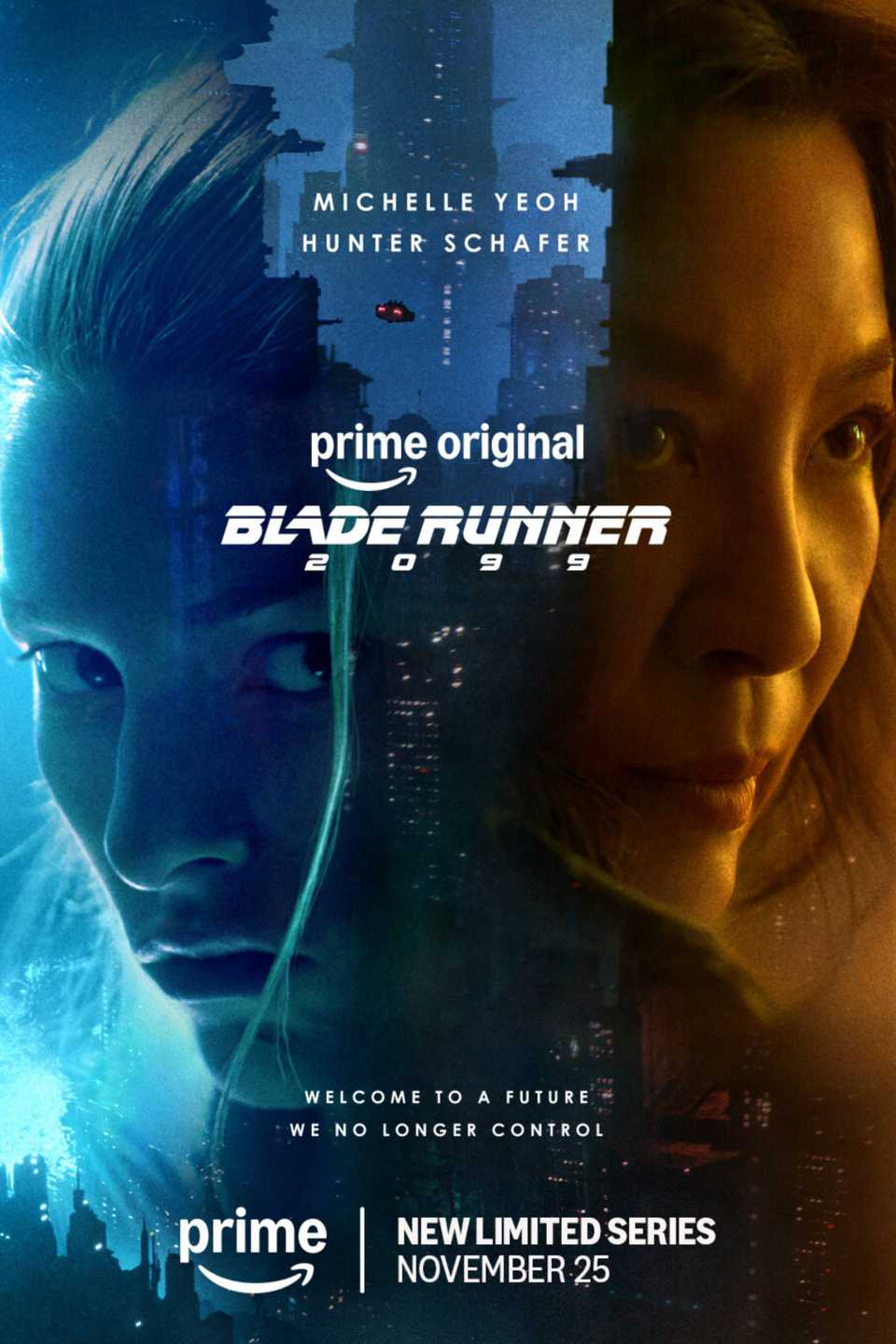
Blade Runner 2099
- Release Date
- 2026 - 2026-00-00
- Network
- Prime Video
- Showrunner
- Silka Luisa
- Directors
- Jonathan van Tulleken
KioskNews shows a cleaned-up reading view extracted from the publisher’s page — the original always lives on their site, not ours.