‘Better than expected’: 73,800 subdivided flats apply for 3-year grace period
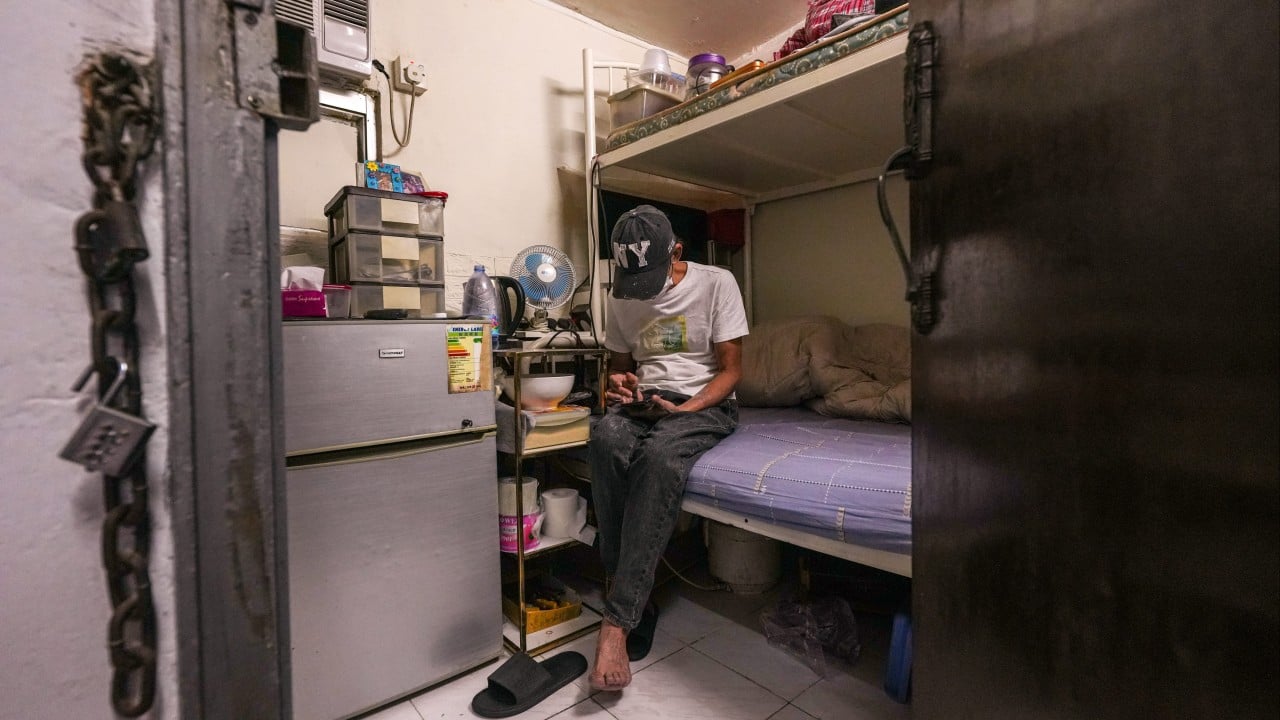
More than 73,000 subdivided flats in Hong Kong have applied for a three-year grace period to meet the government’s minimum standards, a figure the housing chief has described as “better than expected”.
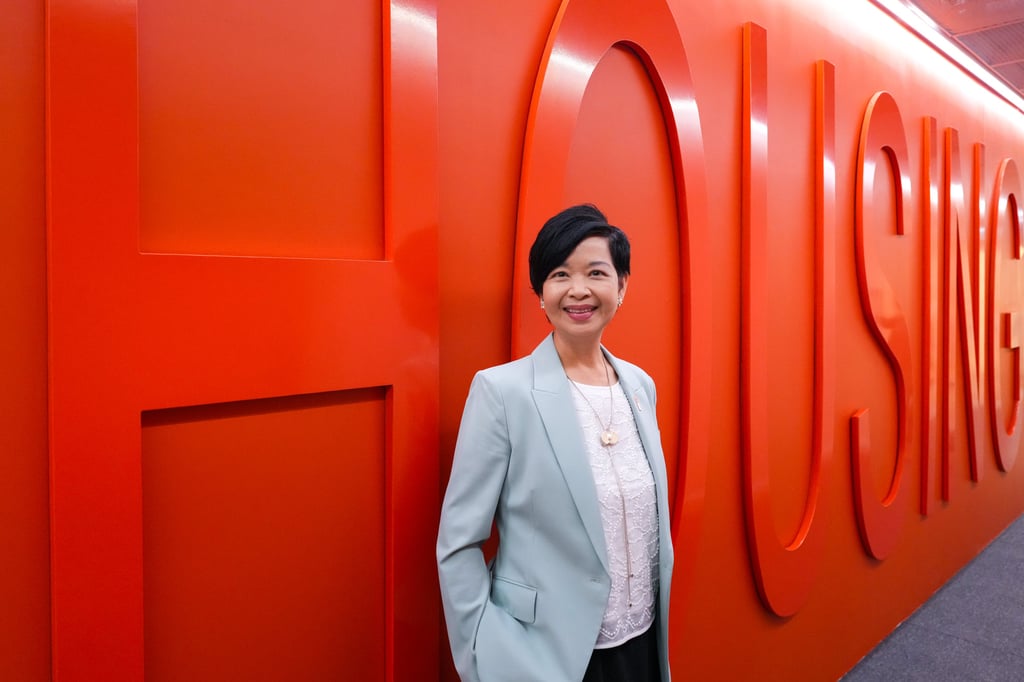
Secretary for Housing Winnie Ho Wing-yin said on Saturday that authorities received around 73,800 applications during the “early bird” registration phase under the Basic Housing Unit Ordinance, which closed on August 31.
The tally represented nearly 70 per cent of the city’s estimated 110,000 subdivided flats, with 42 already certified as compliant, Ho told a radio programme.
“The progress is better than I expected,” she said. “We expect that as we gradually enter the three-year grace period, as people become familiar with the certification process and find suitable renovation companies and professionals to handle it, the certification numbers will rise.”
Ho urged remaining landlords to register before the grace period began next March.
“We hope all landlords will register first, regardless of what you decide to do in the future, whether you continue operating or not, or rectify the current situation to make it compliant,” she said.
Under Hong Kong’s inaugural five-year plan, authorities aim to eliminate substandard subdivided flats in residential buildings by 2030 by boosting supply and cutting public housing waiting times.
Landlords who applied between March and August qualified for a waiver of HK$3,000 (US$382) in recognition fees per subdivided flat until February 2029.
A second six-month registration round, offering smaller fee discounts, is now under way and will complete the overall one-year application period.
From March next year, only subdivided flats that meet minimum requirements and are certified as “basic housing units” may be legally leased, except for those covered by the grace period.
The grace period runs from March 2027 to February 2030, giving landlords time to refurbish and certify their properties.
Landlords must bear renovation and certification costs and pay the government HK$3,000 per subdivided flat for recognition as basic housing units.
On the same programme, Ho revealed that 90.6 per cent of Wang Fuk Court owners had returned signed letters accepting the government’s buy-back offer.
She spoke three days after the first batch of about 100 homeowners selected their replacement flats earlier this week.
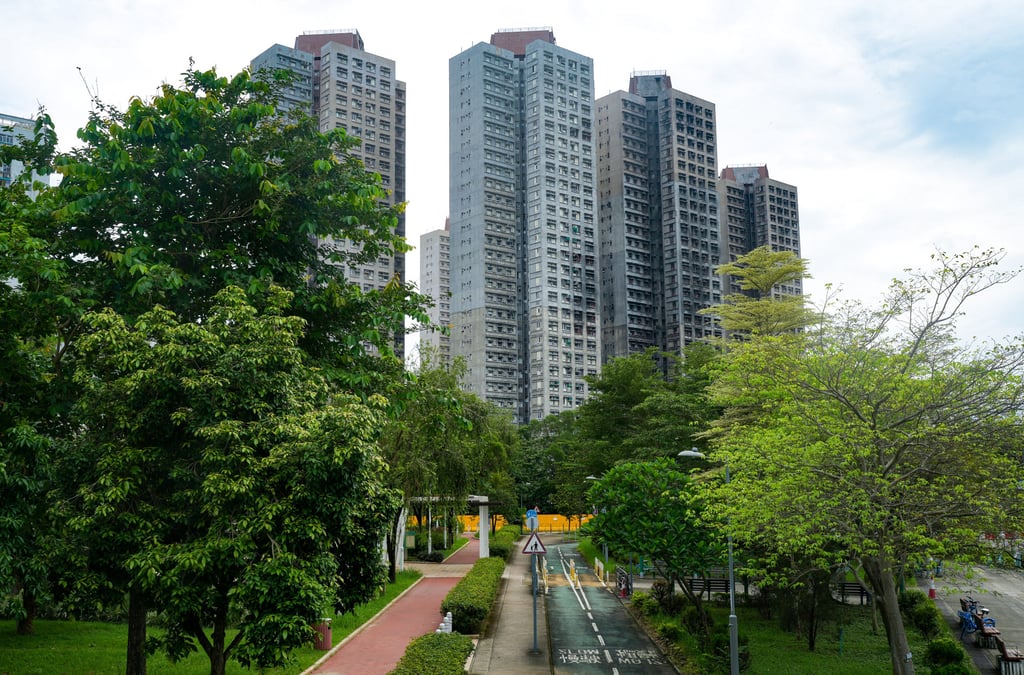
Following last November’s fire at Wang Fuk Court, authorities launched a HK$7.8 billion plan to buy back flats at the eight-block subsidised housing estate.
Under the scheme, participants can use the cash compensation to purchase a flat on the private market or join a special sales exercise to buy new subsidised housing under the government’s “flat-for-flat” arrangement.
Ho said a dedicated explanation team accompanied around 30 households daily, assisting them through the process, as many comprised elderly residents who needed time to consult their families.
Public housing estates with faster completion times, such as those in Kowloon Bay and Fanling, proved popular as residents wanted to move into their new homes as soon as possible, she added.
Ho said the remaining 10 per cent of owners who had not signed sale and purchase agreements should complete the process by October 15.
“If they ultimately decide not to sign a contract with us, we will consider it a refusal to sell,” she said, adding that they would be grouped with the 13 households that did not sign letters accepting the acquisition offer.
“We will handle these cases later. For example, we might need to consider legislation to address this.”
KioskNews shows a cleaned-up reading view extracted from the publisher’s page — the original always lives on their site, not ours.