Oil prices settle up about 3% as Houthi attack on Saudi Arabia lifts supply fears
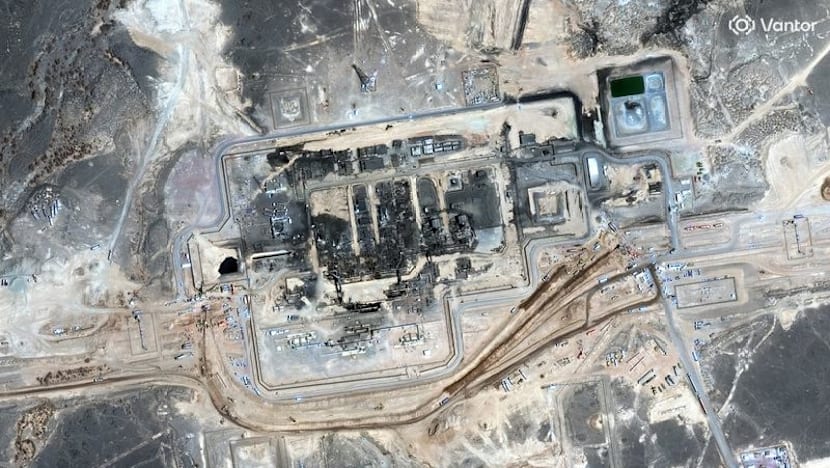
NEW YORK, Sept 24 : Oil prices climbed about 3 per cent on Thursday to a one-week high after a Houthi missile attack on Saudi Arabia revived fears of supply disruptions, but trade was volatile and prices came off session highs after reports the US and Iran discussed reopening the Strait of Hormuz.
Brent futures rose $3.52, or 3.4 per cent, to settle at $106.60 a barrel. US West Texas Intermediate crude rose $2.45, or 2.7 per cent, to settle at $94.61. At their session highs, both contracts were up about 5 per cent.
Brent notched its highest close since September 15. It was the first rise in days for WTI, which was down 13 per cent over the prior six sessions.
Saudi Arabia intercepted six ballistic missiles fired by Yemen's Iran-backed Houthis, thwarting attacks on the southern province of Taif and Yanbu area on the Red Sea, the Saudi-led coalition in Yemen said.
Iranian airlines were barred from neighboring countries including the UAE and Oman in response to new US sanctions, the first big impact of a shift in US policy to target companies in third countries that do business with Iran.
With the US-Israeli war against Iran largely stalemated for months on the battlefield, Washington has announced an extension of its financial sanctions, targeting companies from third countries that do business with Iranian firms, a practice known as "secondary sanctions".
On Wednesday, Iran threatened to retaliate against neighboring countries that comply with the US ban on its flights, by making their airports "unusable".
Separately, Saudi Arabia is building up crude pumping volumes through its East-West Pipeline that runs to its Red Sea export hub of Yanbu, although crude tanker loadings have yet to resume, according to industry sources, satellite imagery and shipping data.
PEACE TALKS ONGOING
US and Iranian negotiators in New York are exploring a phased path out of war that would involve Tehran reopening the Strait of Hormuz and Washington lifting its economic blockade of Iran, sources close to the talks said.
The strait has become the central bargaining chip in efforts to end the nearly seven-month US-Iran conflict. Iran seeks relief from the US blockade choking its economy and Washington wants free passage for ships on the global oil supply route now blocked by Tehran.
Neither side wants to surrender its leverage, according to comments to Reuters by two Iranian sources, two regional officials and two Western diplomatic sources.
DIESEL PRICES
With diesel prices hitting record highs in recent weeks due to supply disruptions, high-level contacts continue between the European Union and the US. The US reportedly plans to ban diesel exports, a step the EU believes could hurt both sides.
Global supplies of diesel are tight because Moscow banned exports of the fuel due to disruptions caused by Ukrainian attacks on Russian refineries and energy infrastructure. Further squeezing supplies are Iranian attacks on ships and energy infrastructure in the Middle East.
US Energy Secretary Chris Wright has contacted executives at several major American refiners in recent days to gauge support for a voluntary restriction on diesel exports as the Trump administration searches for an alternative to a short-term ban, according to three people familiar with the discussions.
Politico reported that the US was preparing a 90-day ban on diesel exports due to a price spike ahead of November midterm elections. Wright has disputed that.
Analysts and market watchers have warned a US diesel export ban would do little to ease high energy prices and could worsen global supplies and further disrupt economies.
KioskNews shows a cleaned-up reading view extracted from the publisher’s page — the original always lives on their site, not ours.