Japanese university finds river bacteria that remove ‘forever chemicals’
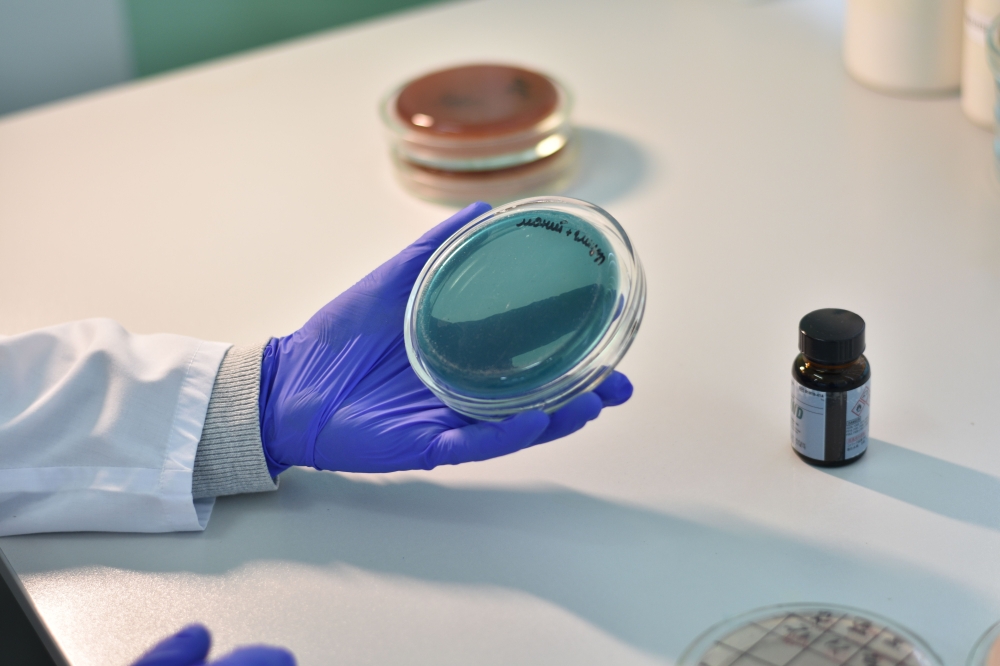

The finding offers hope for tackling per- and polyfluoroalkyl substances, or PFAS, which are difficult to break down because their carbon-fluorine bonds are among the strongest chemical bonds. PFAS have become a global environmental and health issue in recent years, accumulating in water, soil and wildlife. — Pexels pic
First Published: Saturday, 22 Aug 2026 9:00 PM MYT
TOKYO, Aug 22 — A research team has found that bacterial strains in river sediments contaminated with so-called forever chemicals can remove the harmful substances, according to a Japanese university that led the study, Kyodo News reported.
The finding offers hope for tackling per- and polyfluoroalkyl substances, or PFAS, which are difficult to break down because their carbon-fluorine bonds are among the strongest chemical bonds. PFAS have become a global environmental and health issue in recent years, accumulating in water, soil and wildlife.
PFAS, known for strong water and oil repellency as well as great chemical stability, have been found in high concentrations near military sites and in industrial areas.
The ‘forever chemicals’ are also used in products ranging from fabrics to firefighting foam.
Japan bans, with some exceptions, the manufacture and import of several types of PFAS, including PFOS, or perfluorooctanesulfonic acid, and PFOA, or perfluorooctanoic acid.
“If we can culture and use bacteria collected from the natural environment, we will be able to decontaminate with lower costs,” said Hideyuki Inui, associate professor at Kobe University.
The research team collected sediment samples along the Samondo River in Osaka Prefecture, then isolated and identified bacterial strains capable of reducing concentrations of PFOS and PFOA, according to the study published online in the August issue of the Journal of Water Process Engineering.
They also confirmed that one of the strains significantly reduced the concentration of PFAS in leachate from an industrial waste landfill, demonstrating its applicability beyond the laboratory setting.
Their study revealed that adsorption of PFAS onto bacterial cells plays a key role in removing the substances.
While some microbial strains have been reported to be capable of degrading PFAS, the types of bacteria involved and the roles of degradation and adsorption in removing the substances remain largely unknown, according to the researchers. — Bernama-Kyodo
KioskNews shows a cleaned-up reading view extracted from the publisher’s page — the original always lives on their site, not ours.