Gujarat court gives life term to 3 for cow slaughter, cites Manusmriti on cow’s importance
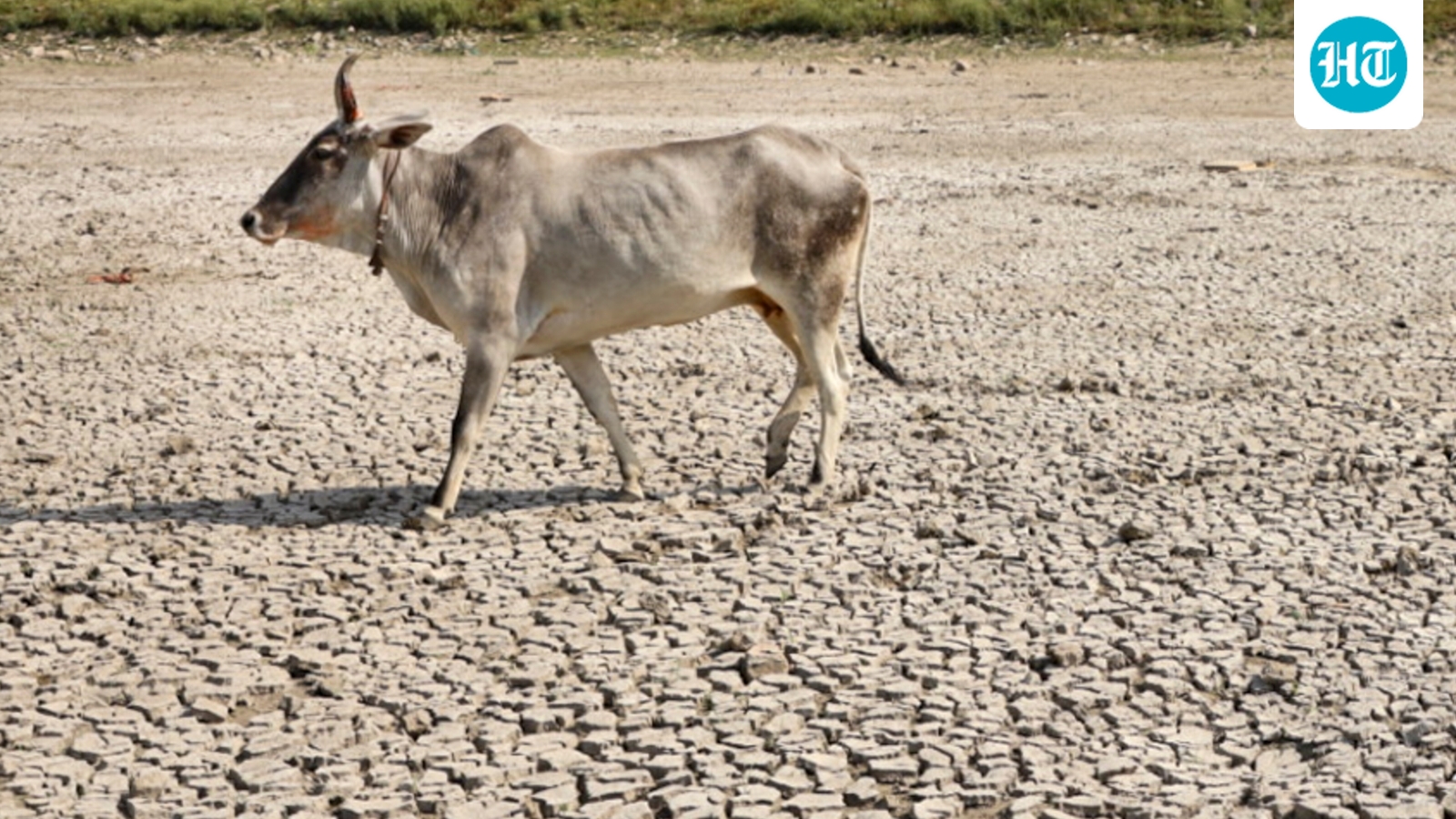
A Kalol court in Gandhinagar district has sentenced three men to rigorous life imprisonment for cow slaughter, citing the Manusmriti and other epics and observing that cows could become extinct if those responsible were not punished in accordance with the law.
Gujarat amended the Gujarat Animal Preservation Act, 1954, in 2011, under then chief minister Narendra Modi, imposing a complete ban on cow slaughter and prohibiting the sale, purchase and transportation of beef. The law was further tightened in 2017, when Gujarat became the first state in India to make cow slaughter punishable with life imprisonment. The amended law also prescribes seven to 10 years’ imprisonment and a fine of ₹1 lakh to ₹5 lakh for offences involving the possession, sale, storage or transportation of beef. These offences are non-bailable.
Also read: ‘Contradicts existing state laws’: Tamil Nadu moves SC against Madras HC's ban on cow slaughter
Court cites religious scriptures in 76-page judgment
Additional sessions judge, BR Rajput, delivered the verdict on Monday. The 76-page judgment, which cites the Manusmriti, Vedas and other Hindu scriptures to explain the religious significance of the cow, became available online on Thursday.
“The accused, despite being aware of their actions, mercilessly slaughtered cows, regarded mothers, cutting off the mouths, stomachs, legs and hides of the cows, and extracting 277 kg of beef for sale. If those who have acted with such extreme cruelty by cutting up the cows’ body parts are not punished as prescribed by law, Gau Mata will eventually become extinct from the earth. It is therefore necessary to sentence the accused in accordance with the law,” the judge said in his order.
The order also referred to the Manusmriti and other religious scriptures to explain the importance of the cow. It observed that the Manusmriti treated the cow not merely as an animal but as a pillar of religious duty, and that Sage Manu assigned the primary responsibility for protecting cattle to the Vaishya class.
The court also referred to the significance of a cow and a bull in Arsha Vivaha, a traditional form of Vedic marriage.
“According to Hindu religious scriptures, the Manusmriti regards the cow and cattle not merely as animals but as a pillar of religion. Sage Manu entrusted the primary responsibility for protecting cattle and tending to them to the Vaishya class. Similarly, a cow and a bull hold special significance in Arsha Vivaha, a traditional form of Vedic marriage.”
Also read: Supreme Court stays Madras HC's cow slaughter ban order in win for Vijay's Tamil Nadu government
Judgment refers to cow's significance in Hindu traditions
Referring to the Vedas and Hindu scriptures, the judgment states that Surabhi, also known as Kamadhenu, emerged from drops of divine nectar that fell to earth through Brahma’s penance and came to be regarded as the mother of all cattle. The court separately cited the Rigveda’s description of the cow as Adhanya, meaning one that should not be killed.
“According to the Vedas and Hindu religious scriptures, the divine cow Surabhi, also known as Kamadhenu, emerged from drops of divine nectar that fell to the earth through Brahma’s penance. She is regarded as the mother of all cattle on earth. Similarly, the Rigveda describes the cow as ‘Adhanya’, meaning that she should never be slaughtered or killed.”
The court further observed that the cow was regarded as the mother of the world and the abode of 33 crore deities, with its four legs symbolising the four Vedas. It also cited the Harivamsha Purana and other religious traditions describing the cow as sacred. The judgment also reproduced another Sanskrit verse describing the cow as the mother of all deities and the source of sacred rituals and holy pilgrimage sites.
“The cow is the mother of the universe, in whom reside 33 crore deities. Her four legs are symbolic of the four Vedas. According to the Manusmriti and the Harivamsha Purana, the cow is also known as the daughter of Daksha Prajapati. Brahma, Vishnu and Mahesh reside in her horns, and the Sun and the Moon reside in her eyes; therefore she is called Gau Mata.”
Also read: 'Need gau bhakt society': RSS chief Mohan Bhagwat on how to stop cow slaughter
Three convicts sentenced to life imprisonment
The court sentenced each convict to life imprisonment and a fine of ₹2 lakh under Section 8(2) of the Gujarat Animal Preservation Act, 1954, as amended in 2017. It also imposed 10 years of rigorous imprisonment and a fine of ₹1 lakh each under Section 8(4). The sentences will run concurrently, taking the total fine to ₹3 lakh per convict.
The convicts are Vasim, 34, of Juhapura; Mohammad Rafiq, 28, of Behrampura; and Asfak alias Salman, 19, of Fatehwadi, all in Ahmedabad. Two other accused were acquitted, while another died during the trial. The court had acquitted the two, citing lack of evidence linking them to the slaughter or proving that one of them had bought beef from the co-accused.
Gujarat deputy chief minister Harsh Sanghavi welcomed the verdict. “This verdict under the Gujarat Animal Preservation Act is a clear message that the law will never spare those who commit cow slaughter in Gujarat. Protecting the cow mother is Gujarat’s unwavering resolve,” Sanghavi wrote.
Incident took place in August 2024
According to the prosecution, the incident took place on August 22, 2024, when the accused gathered at a house in Jamla village, and slaughtered cows for financial gain. Police said it recovered 277 kg of meat, along with other material allegedly connected to the slaughter.
The defence challenged the handling and testing of the seized meat, questioning the collection and preservation of samples and the failure to send the tools recovered at the scene for forensic examination. It also pointed to discrepancies in the weighing of the 277 kg of meat. The court rejected these arguments, holding that the prosecution evidence established the guilt of the three accused beyond reasonable doubt. During sentencing, the defence sought probation, arguing that the convicts were their families’ sole breadwinners and had no previous criminal record, but the court rejected the plea.
KioskNews shows a cleaned-up reading view extracted from the publisher’s page — the original always lives on their site, not ours.