Jurassic World: Rebirth Breaks 6 Traditions To Reinvent The Franchise (And That’s A Good Thing)


Since 2019, Kevin Erdmann has been one of Screen Rant's Senior Staff Writers, covering all kinds of Superhero and Star Wars media with Easter egg breakdowns, theory pieces, breaking news, and more. A huge Star Wars & MCU fan, Kevin also loves Batman (because he's Batman), but could talk for hours about why Nightwing is DC's greatest hero.
With 8 years of total experience covering entertainment and pop culture, Kevin has gotten the chance to interview top creatives and talent, and has also attended major media events like Disney's D23 convention.
Majoring in Cinema Studies with a minor in Comics and Cartoon Studies from the UofO, Kevin lives in Oregon with his wonderful wife, adorable dog, and sinister cat who is no doubt currently plotting his demise.
The Jurassic Park/World franchise is over three decades old. Over that time, the movies have shared many of the same storylines, characters, and ideas. That said, Jurassic World: Rebirth broke the mold in a few different ways, setting up what is hopefully an exciting foundation for the future.
Following more divisive releases like 2022's Jurassic World: Dominion, Rebirth serves as a pretty interesting turning point. Directed by Gareth Edwards and starring Scarlett Johansson, Jonathan Bailey, and Mahershala Ali, the movie goes beyond and does more than simply repeat another park story with bigger dinos.
Question 1 of 3
Keeping that in mind, here are some of the biggest ways 2025's Jurassic Park: Rebirth broke tradition and reinvented the franchise, arguably generating a renewed confidence in its future.
Jurassic World: Rebirth Doesn't Feature Any Legacy Characters

One of the biggest changes in Jurassic World: Rebirth is the refreshing decision not to feature any established legacy characters from past movies. After all, every previous Jurassic World movie included at least one significant character from the original Jurassic Park trilogy. Dr. Henry Wu was featured in the first three movies beginning with 2015's Jurassic World, while Dr. Ian Malcolm appeared in Fallen Kingdom at the beginning and end to testify before congressional committees. Malcom then returned alongside Alan Grant and Ellie Sattler for Dominion.
Although those appearances helped connect the first Jurassic World trilogy to the original Jurassic Park trilogy, it also saw the more recent movies leaning more and more into nostalgia and fan service. Conversely, Rebirth took a different approach, featuring an all-new cast with Scarlett Johansson as Zora Bennett, Mahershala Ali as Duncan, Jonathan Bailey as Dr. Henry Loomis, and more unique characters. As a result, 2025's Rebirth proves the franchise doesn't always need to have legacy characters to make the movie work or be entertaining.
Rebirth Escapes The Old Theme Park Formula

Image via Universal Pictures
The first Jurassic Park movie established a premise that has very much shaped nearly every chapter since the original 1993 blockbuster: humans create a dinosaur attraction and/or a means to take advantage of the creatures, something goes wrong, and the prehistoric animals inevitably escape to cause havoc. Likewise, even when sequels moved away from theme parks, there's still the basic structure of corporate attempts to commercialize or militarize dinosaurs and prehistoric DNA.
Instead, Jurassic World: Rebirth offers some fresh nuance by visiting a remote island that was never intended to welcome paying visitors or even used to breed animals that would eventually be shipped to the primary park. Unlike Isla Nublar or Sorna, Isle Saint-Hubert was a research facility used to study InGen's failed experiments and mutated dinosaurs deemed unfit for the public. While the island setting still provides the same aesthetics and danger one would expect from the franchise, there's enough newness to keep things interesting for this next era of the franchise.
Genetic Hybrids Were Swapped For Actual Dinosaurs (And Failed Experiments)
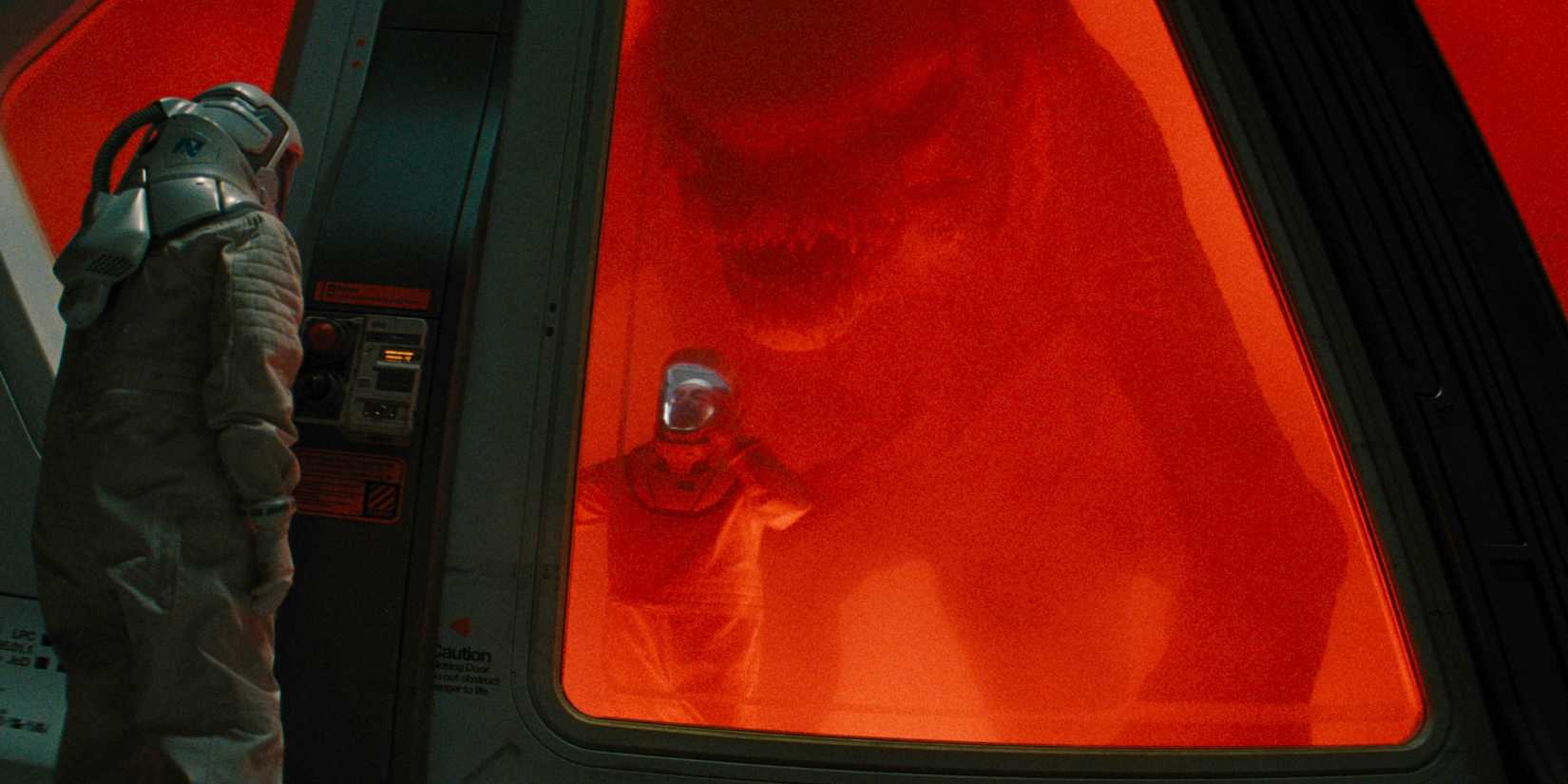
In the initial Jurassic World trilogy, genetically engineered hybrids became a central danger beyond more original dinosaur species, as seen with the Indominus Rex in the 2015 film, the weaponized Indoraptor in Fallen Kingdom, or even the genetically modified prehistoric locusts in Dominion.
Conversely, Jurassic World: Rebirth shifts the focus toward early experimental creatures that failed to produce the results InGen's scientists were looking for, like the Mutadons or the six-limbed and disturbingly large-headed Distortus Rex. While there's still something to be said about the overall execution, it still felt refreshing to see an idea tied to the origins of InGen, rather than trying to come up with bigger and badder genetic hybrids.
No "Rex Machina" Rescues In Jurassic World: Rebirth
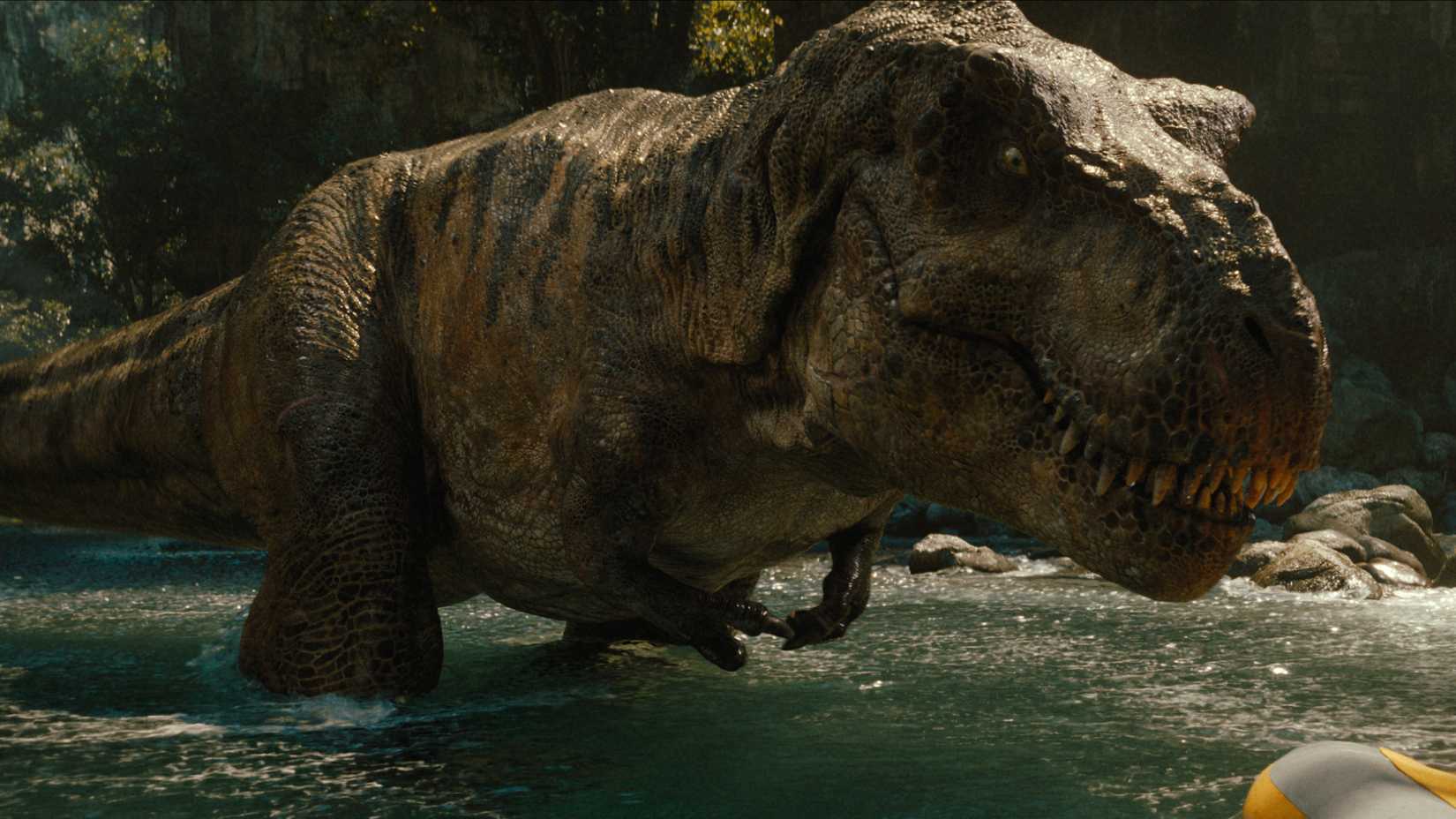
One of the biggest recurring tropes in the entire Jurassic Park franchise is a dinosaur arriving at just the right moment to save the human characters from another predator in the nick of time. A T. rex has frequently played this role, and most often it's the one from Isla Nublar, giving the humans the opportunity to escape whichever dinosaur they were being pursued by. Interestingly, Jurassic World: Rebirth avoids this formula.
Although there is a T. rex in Rebirth, it's firmly an apex predator during an impressive river sequence taken directly from Michael Crichton's original novel. In Rebirth, the T. rex remains iconic, and it does so by remaining a dangerous threat, rather than yet again becoming an inadvertent savior to the human cast.
A New Kind Storyline With Big Dino Pharma

Zeroing in on the central mission and plot of Jurassic World: Rebirth, the 2025 movie offers one of the franchise's more unique premises. Working for ParkerGenix exec Martin Krebs, Zora Bennett and her team travel to Isle Saint-Hubert along with Dr. Henry Loomis to collect genetic material from three of the biggest dinosaur species, hoping to use their DNA to develop a groundbreaking (and incredibly valuable) heart medication.
While there was technically some exploration into the pharmaceutical applications of prehistoric DNA with Biosyn in Dominion, that was really just pretense for their more illicit activities, trying to control global food supply chains with locusts.
While the mission still involves corporate interests, greed, and dangerous scientific ambition, the new premise is still pretty refreshing all the same. These characters are risking their lives not to open a park, for military applications, or for the sake of animal conservation, but to obtain potentially life-saving biological material from some of the biggest (natural) dinosaurs the franchise has ever seen. Needing to reach specific animals and extract samples, there's a clear objective to drive the story forward while still offering plenty of room for individual characters' arcs and plot twists (like the mutated species).
Rebirth Offers A New Status Quo For The Entire World

Perhaps the most important change in 2025's Jurassic World: Rebirth is its broader view of the franchise's world. After 2022's Jurassic World: Dominion established that dinosaurs were seemingly co-existing alongside humans across the globe, Rebirth revealed that five years later, the vast majority of all dinosaurs across the world had migrated into "exclusion zones" across the equator with governments prohibiting public entry, seeing how the climates in equatorial regions are more aligned to the those 65 million years ago, allowing the animals to better thrive.
As cool as it was to have seen dinosaurs in the snow like in Jurassic World: Dominion, this new update to the status quo makes a lot more sense, while also being far more manageable for humanity at large.
At the same time, it also opens the door for some exciting possibilities going forward beyond what's been seen in previous Jurassic Park/World movies. After all, future Jurassic World movies could explore other exclusion zones in regions like Central Africa and the Congo Basin, Southeast Asia, or the Amazon. There are plenty of cool opportunities for new locales (and perhaps even new species). Furthermore, new kinds of stories could be explored or delved into deeper as well as brand-new scientific breakthroughs, or go even deeper into illegal dinosaur poaching and trafficking.
Ultimately, this new status quo set up by Jurassic World: Rebirth allows the franchise to keep expanding and growing into some very cool ways and new territories.

- Release Date
- July 2, 2025
- Runtime
- 134 minutes
- Director
- Gareth Edwards
- Writers
- David Koepp
- Producers
- Frank Marshall, Patrick Crowley
KioskNews shows a cleaned-up reading view extracted from the publisher’s page — the original always lives on their site, not ours.