Milind Soman does 2 Ironmans in 6 days: ‘3.8-km swim, 180-km bike and 42.2-km run’
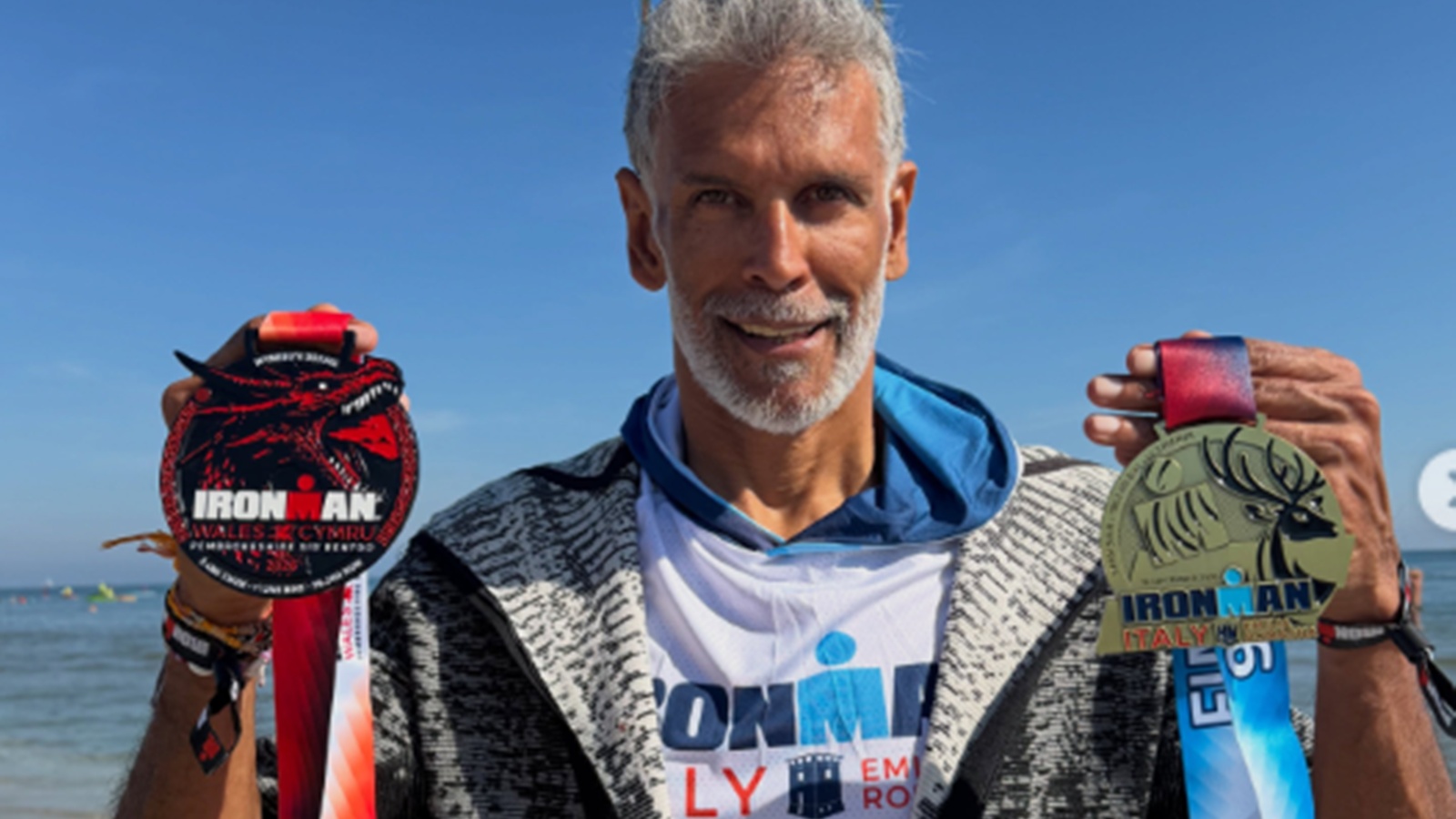
Just six days after completing Ironman Wales, actor and fitness enthusiast Milind Soman took on another full Ironman, this time at Ironman Italy. After facing the demanding Welsh course, he completed another 3.8-km swim, 180-km bike and 42.2-km run. “Did it AGAIN !!!! Six days later, one more Ironman ?? Doing Ironman Wales on the 13th of September and Ironman Italy on 19th September was a great experience!! This one was to learn new lessons on recovery, which is important to understand individual levels of fitness. One aspect of fitness is the time required to recover from a particular stress, to be able to do it again with the same level of comfort. A lot of interesting lessons,” he expressed in a post on Instagram, which also showed a glimpse of his plate with rice and rajma (kidney beans).
Taking a cue from his admission that the latest Ironman was not simply about completing another race but an experiment in understanding recovery and individual fitness, we asked an expert for insight.
DISCLAIMER: This article is based on information from the public domain and/or the experts we spoke to. Always consult your health practitioner before starting any routine.
“This is a very useful way of thinking about fitness. We often measure fitness by how fast someone can run, how much they can lift or how long they can exercise. But recovery capacity is another important part of performance,” stressed Goyal.
What exactly happens during recovery?
Exercise is a physiological stressor. During a demanding endurance event, muscles experience fatigue, glycogen stores are depleted, fluid and electrolytes are lost, and the cardiovascular and nervous systems are placed under substantial stress. “Recovery is the period in which the body restores energy stores, repairs tissues, rebalances fluids and electrolytes and gradually returns to its normal physiological state. For endurance athletes, nutrition becomes particularly important. Replenishing carbohydrates helps restore muscle glycogen, while adequate protein supports muscle repair,” described Goyal.
Fluids and electrolytes help replace losses from prolonged sweating. “And, perhaps most importantly, sleep provides a major opportunity for physical and neurological recovery,” said Goyal.
However, recovery isn’t the same for everyone. “Two people can complete exactly the same workout and require very different amounts of recovery. Training history, age, sleep, nutrition, stress, fitness level, injury history and the intensity of the exercise can all influence recovery,” said Goyal.
Story continues below this ad
An elite endurance athlete who has spent years adapting to high training volumes cannot be compared with someone beginning their fitness journey.
“This is also why doing more isn’t automatically doing better. If training stress repeatedly exceeds the body’s ability to recover, fatigue can accumulate and performance can decline. Inadequate recovery can also increase the risk of illness and injury,” Goyal told indianexpress.com.
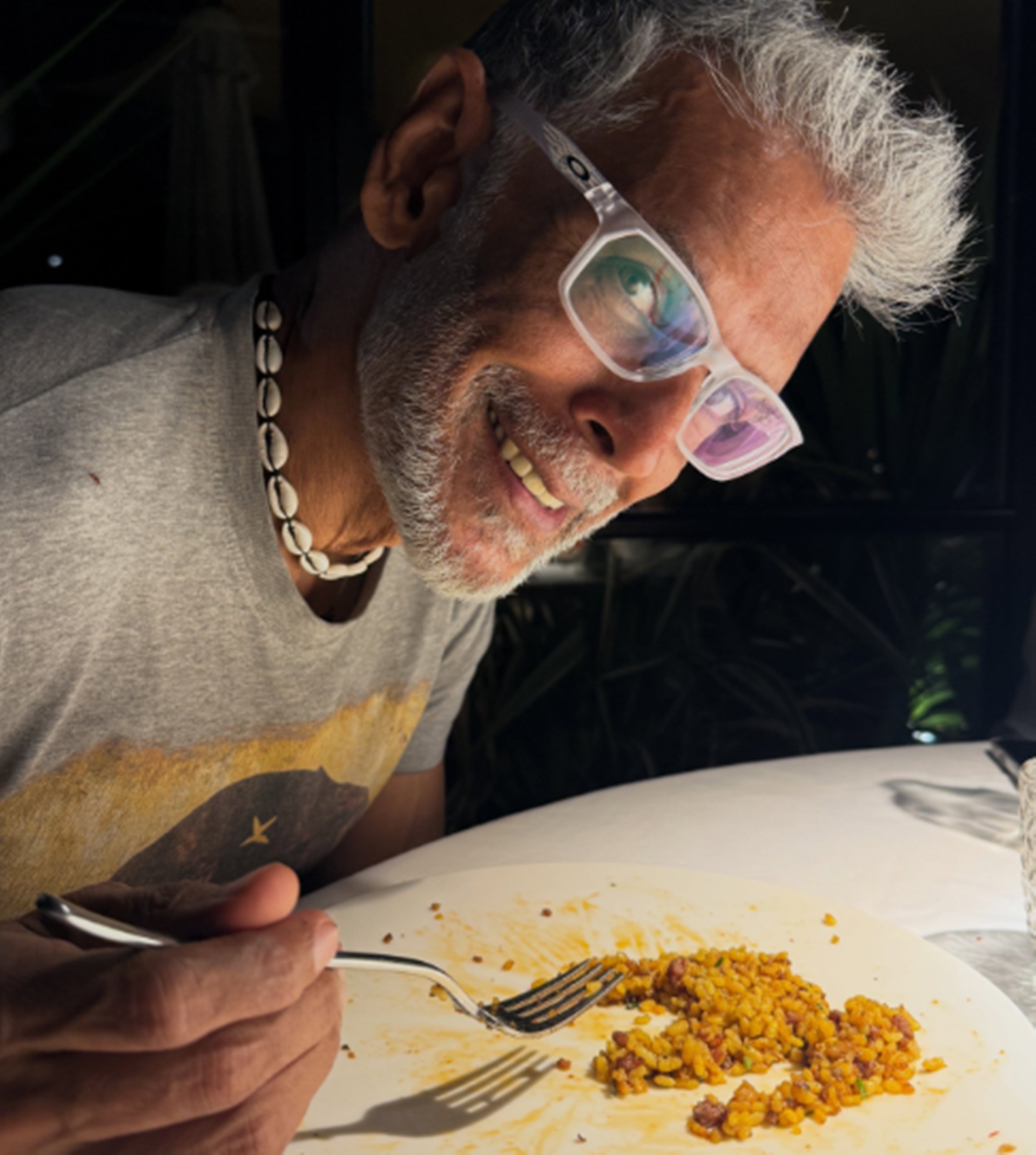 Milind Soman shared a glimpse of his plate (Photo: Milind Soman/Instagram)
Interestingly, Goyal noted that recovery itself can be trained. “With consistent training, the body becomes better adapted to particular types of stress. An experienced endurance athlete may therefore recover from a workload that would leave a recreational athlete exhausted for several days,” Goyal said.
But adaptation doesn’t mean recovery becomes unnecessary. “The fitter you become, the better you may tolerate a given workload — but sufficiently demanding exercise still requires recovery. For the average person, this doesn’t mean attempting back-to-back Ironmans. If you did a hard workout today, pay attention to how your body responds before deciding how hard tomorrow’s session should be. Sometimes the smartest progression is not adding more weight, distance or intensity, but improving how well you recover between sessions,” said Goyal.
And that’s what makes Milind’s unusual six-day experiment interesting. “The second race wasn’t just another endurance achievement; he deliberately used it to understand how his own body responded to an extraordinary level of repeated stress,” said Goyal.
Story continues below this ad
DISCLAIMER: This article is based on information from the public domain and/or the experts we spoke to. Always consult your health practitioner before starting any routine.
KioskNews shows a cleaned-up reading view extracted from the publisher’s page — the original always lives on their site, not ours.