HBO's 36-Episode Sci-Fi Series Is A Masterclass In How Mystery Boxes Can Go Wrong

Tom is a Senior Staff Writer at Screen Rant, with expertise covering everything from hilarious sitcoms to jaw-dropping sci-fi epics.
Initially he was an Updates writer, though before long he found his way to the TV and movies team. He now spends his days keeping Screen Rant readers informed about the TV shows of yesteryear, whether it's recommending hidden gems that may have been missed by genre fans or deep diving into ways your favorite shows have (or haven't) stood the test of time.
Tom is based in the UK and when he's not writing about TV shows, he's watching them. He's also an avid horror fiction writer, gamer, and has a Dungeons and Dragons habit that he tries (and fails) to keep in check.
Few storytelling structures changed the TV landscape quite like the mystery box. The format drops viewers into a world filled with the unexplained, then spends several seasons delivering a drip-feed of answers. When done right, they’re incredibly satisfying. A strange detail in the premiere might seem like nothing until an episode two seasons later gives it a new meaning. Mystery boxes exploded in popularity in the 2000s thanks to addictive hits like Lost, though they’re far from a guaranteed recipe for success.
The intrigue that sets up a mystery box show in its opening episodes is easy to construct. Giving viewers a reason to want to keep revisiting it, however, is a different story. An opening episode or even season only needs a handful of strange clues to get the ball rolling, but the answers have to be worth the wait when they finally arrive. What’s more, the characters need lives and problems that make the central mystery one that audiences want to solve. Few shows proved how difficult a balancing act this is quite like HBO’s Westworld.
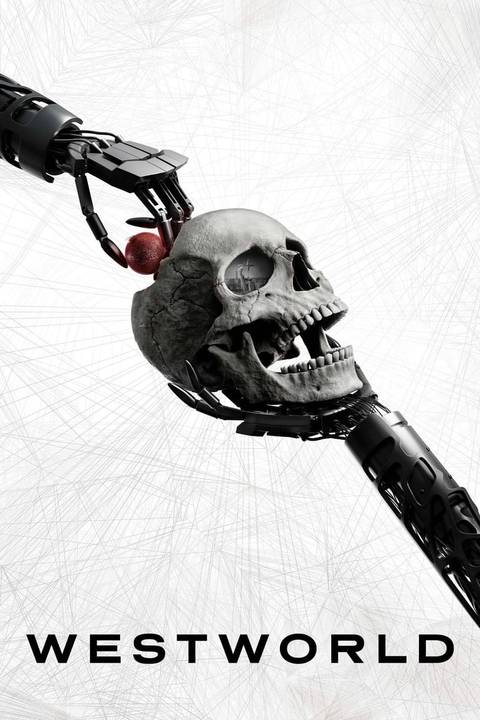
Westworld aired for four seasons from 2016 to 2022 before being abruptly canceled, and it's sadly remembered for all the wrong reasons. The sci-fi series begins its 36-episode run in a Wild West theme park where wealthy guests can indulge their fantasies at the expense of lifelike androids called hosts. However, all was not as it seemed thanks to the hosts being considerably more aware of their situation than they should have been. At first, Westworld seemed like it had all it needed to become the next Lost. Sadly, by the time it ended, the HBO show’s contribution to pop culture was being a case study in how not to do a mystery box story.
Westworld’s Mystery Box Held Very Little Else
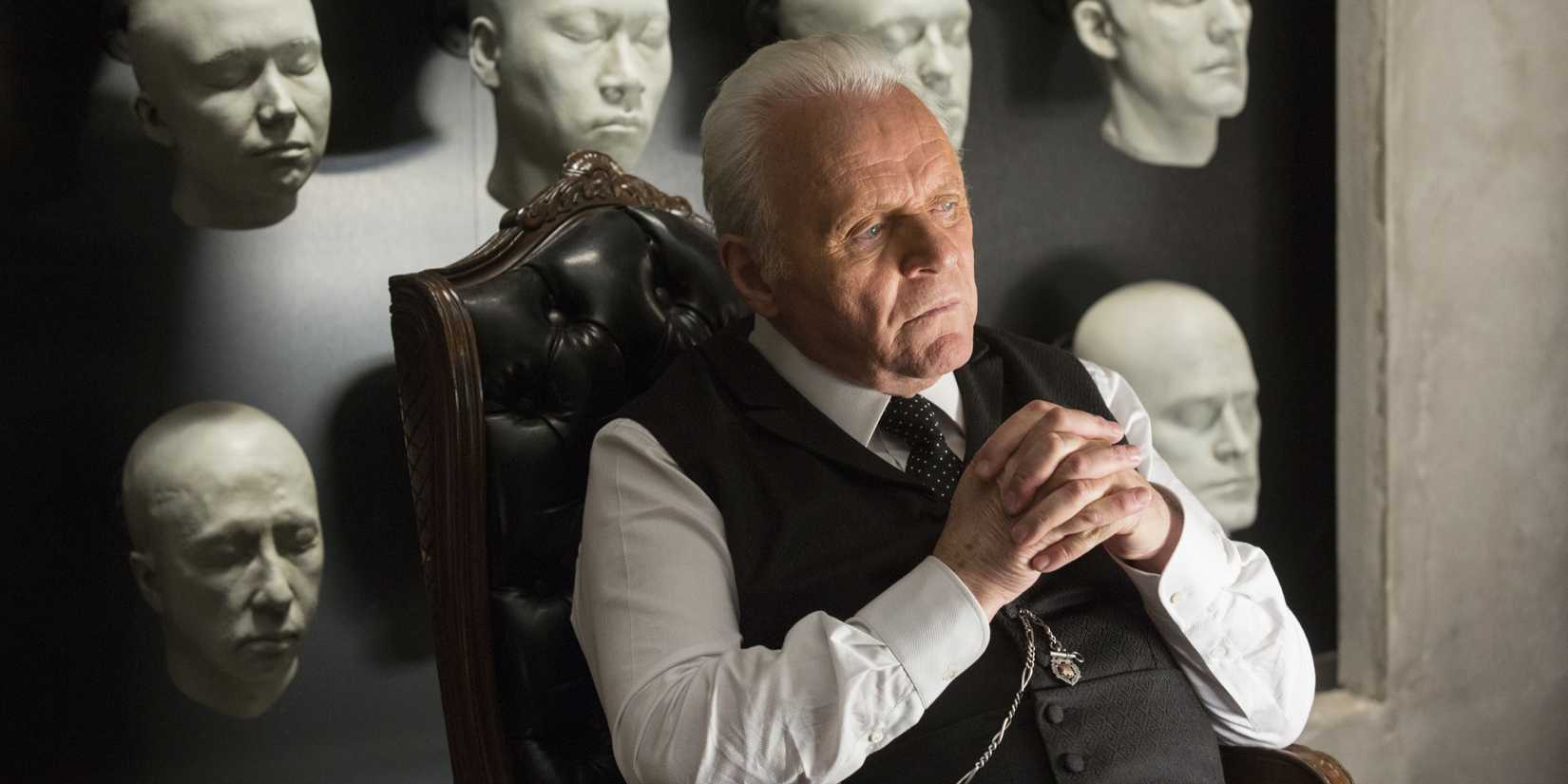
Westworld’s mystery box certainly was full of mystery. The problem was that mystery was pretty much all it was full of. The answers the show delivered were often simply new questions in disguise, and after a while it felt like the HBO show was more interested in keeping audiences guessing than it was in telling an enjoyable story. As the puzzles grew more and more elaborate, even figuring out where a scene fit into the timeline could take enough effort to make it borderline unwatchable. Non-chronological storytelling wasn't Westworld's greatest sin when it came to misunderstanding what makes its format appealing, either.
As Westworld went on, many reveals that were clearly meant to be impactful completely fell flat because viewers are still trying to figure out exactly what kind of show they’re watching and what the story was actually about. The cinematography, intense performances, and dramatic music underpinning a conversation would make it clear that it’s integral to the plot, but audiences couldn’t appreciate it because the show hadn’t made it clear enough why the scene mattered. Mystery box shows should leave their viewers asking questions, but the question should never be “why should I care”. Sadly, for Westworld, this increasingly became the biggest mystery surrounding its narrative.
Westworld fell into this trap because its compulsive need to construct a grand narrative puzzle came at the expense of character development. This meant that viewers inevitably cared less and less about solving the show’s mysteries with each passing episode. Understanding why a character reacts the way they do to a new reveal is integral to a mystery box being engaging viewing. Westworld’s underdeveloped characters removed this essential grounding, meaning that even its most shocking twists had minimal emotional impact.
This overreliance on the mysteries in its mystery box is why Westworld lost momentum so quickly after its admittedly solid first season. A new reveal or mysterious tease of things to come should make audiences want to see what happens next. When these twists and turns happen to characters viewers simply don’t care about in a story that’s too difficult to follow, however, the appeal of the mystery box format dwindles and dies incredibly quickly.
Focusing Too Much On Being A Mystery Box Wasn’t Westworld’s Only Problem

The increasingly elaborate puzzles and lack of substantial character development are only part of why Westworld was a failure. The other part was how dramatically HBO’s breakout hit changed from the intrigue of its central premise. The idea of a group of autonomous AI that exist as theme park attractions gradually gaining sentience was a fascinating one. Sadly, Westworld moved away from this setting and the narrative arcs that made its story followable after its first season. By the time it circled back to its original premise it was too little too late, as the show had already lost much of its audience.
A pivotal moment when it comes to Westworld’s downfall was in season 3, when the show flipped from being a uniquely distinctive sci-fi Western to a borderline-generic cyberpunk thriller. The park’s familiar Western routines had made the cruelty the AI hosts suffer at the hands of guests and their awakening after believing that they genuinely lived in the 19th century incredibly unsettling. Once the show moved to a futuristic city, Westworld felt like yet another near-future sci-fi show about the dangers of technology. The change meant the series lost everything unique about its identity.
Ultimately, HBO canceled Westworld after season 4, with its central story unresolved, then pulled it from HBO Max. All four seasons are available to buy digitally, but they’re not available to stream on any major platform. This speaks volumes about Westworld’s legacy as a blueprint for what not to do when it comes to mystery box storytelling. Many initially-divisive sci-fi shows manage to find pop-culture footholds years after they concluded thanks to arriving on a streaming service. Westworld’s legacy is the total opposite. It’s a show that HBO would clearly rather audiences forgot about, but its spectacular fall from grace ensures it will always be an infamous part of TV history.
- Release Date
- 2016 - 2022-00-00
- Network
- HBO
- Showrunner
- Jonathan Nolan, Lisa Joy
- Directors
- Fred Toye, Jennifer Getzinger, Stephen Williams, Vincenzo Natali, Craig William Macneill, Anna Foerster, Craig Zobel, Hanelle M. Culpepper, Helen Shaver, Jonny Campbell, Michelle MacLaren, Neil Marshall, Nicole Kassell, Tarik Saleh, Uta Briesewitz, Lisa Joy, Meera Menon
- Writers
- Roberto Patino, Carly Wray, Ron Fitzgerald, Daniel T. Thomsen, Karrie Crouse, Wes Humphrey
KioskNews shows a cleaned-up reading view extracted from the publisher’s page — the original always lives on their site, not ours.