Why the Philippines is reluctant to see flashing stagflation signs
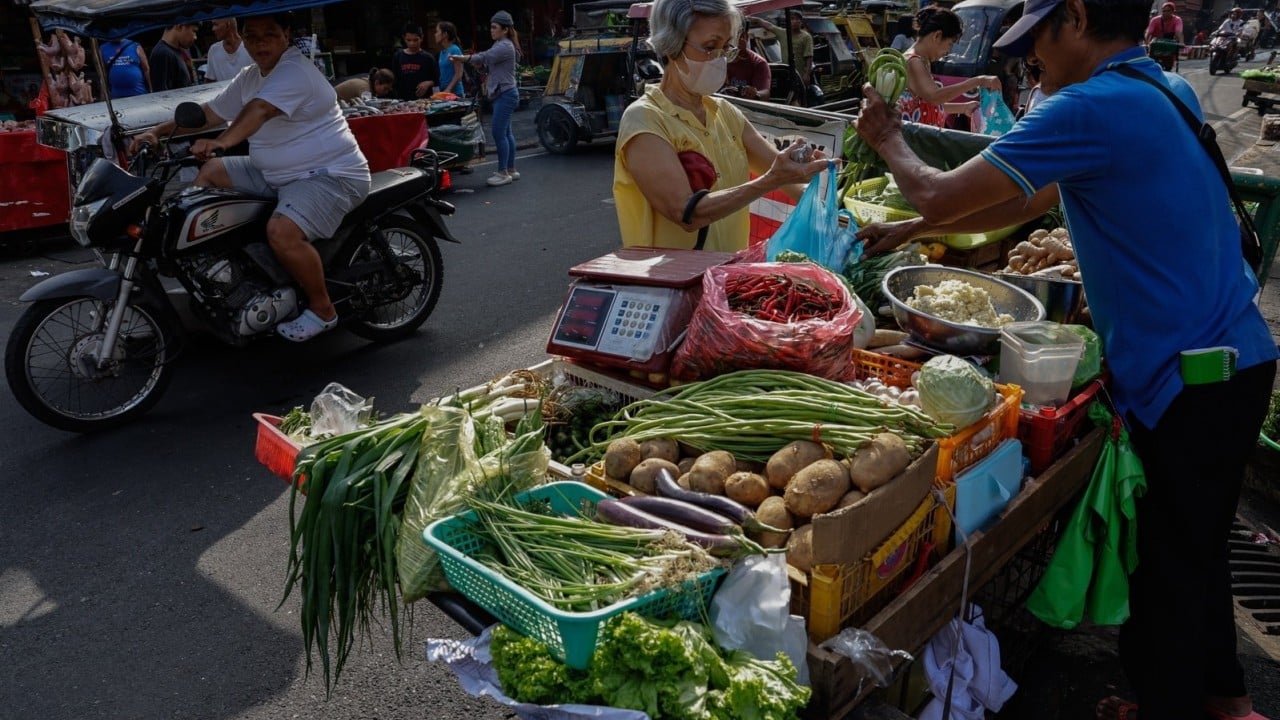
Soaring prices and a slowing economy have raised fears of stagflation in the Philippines, squeezing households and leaving the government with less policy space to reverse the trend.
The country’s economy grew just 2.1 per cent in the third quarter of 2026, its weakest pace since the pandemic. Inflation surged to 7.8 per cent in October and unemployment hit 5.4 per cent in September.
Experts say the warning signs are flashing for stagflation, which occurs when prices rise continuously even as economic growth stalls and employment shrinks.
However, Economic Planning Secretary Arsenio Balisacan said he would “wait for the end of the year” to weigh on the issue.
“I think that it’s important that we are looking at the various dimensions of the economy, and not just a few indicators,” he said last Monday.
Analysts say growth has been largely stymied by high oil costs and a corruption scandal that disrupted infrastructure spending. While efforts to tame inflation could weaken growth further, measures to revive the economy risk adding to price pressures.
Citi bank last week said that by definition, the Philippines was already facing stagflation amid sluggish economic growth and persistent inflation.
“An inflation rate of 7.8 per cent against the 2 to 4 per cent target is very high,” said Johanna Chua, Citigroup global head of emerging market economics.
Chua said the 2.1 per cent economic growth was low compared with its historical growth of 5 to 6 per cent, adding that “obviously, by that definition, you can call it stagflation or slowflation”.
She called the country’s performance “very, very large misses” after it failed to hit Citi’s rebound target of 3.8 per cent in the third quarter.
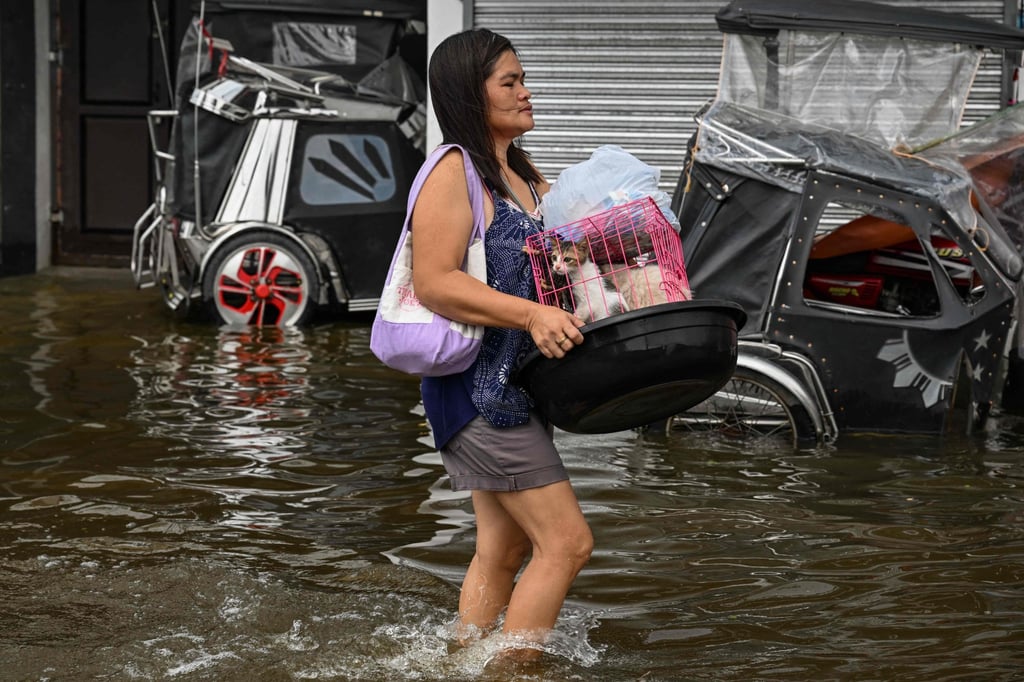
Citi CEO Paul Favila said “this just goes to show that the situation is not good” and the government’s room for course correction was limited as much of the problem was driven by external factors such as geopolitics and oil price volatility linked to the Iran war.
“Whether justified or not, that is market sentiment,” he said.
Low consumption, slumping investment
Peter U, dean of economics at the University of Asia and the Pacific, said the Philippines met the accepted definition for stagflation, which brought high inflation and low gross domestic product growth.
“To paraphrase Shakespeare, ‘A rose by any other name would smell as sweet,’” he said.
“I don’t know that there is an official definition of stagflation, so I don’t know that one has to see negative GDP growth or contraction before using the term.”
Michael Ricafort, chief economist of the Rizal Commercial Banking Corporation, said the risk of stagflationary conditions “is already there, especially for weaker businesses, industries and sectors that could have already experienced near-zero, if not negative, growth rates while experiencing elevated inflation”.
Ricafort warned that the El Nino drought risk could worsen the country’s economic woes, leading to higher food and electricity prices.
More than external shocks, U and Ricafort blamed last year’s billion-dollar flood control scandal for weaker government infrastructure spending, which dragged down economic growth that stood at 5 to 6 per cent in recent years.
“Slower economic growth is largely due to government underspending, especially on infrastructure since the latter part of 2025, while waiting for the catch-up government spending based on better governance standards and anti-corruption measures,” Ricafort said.
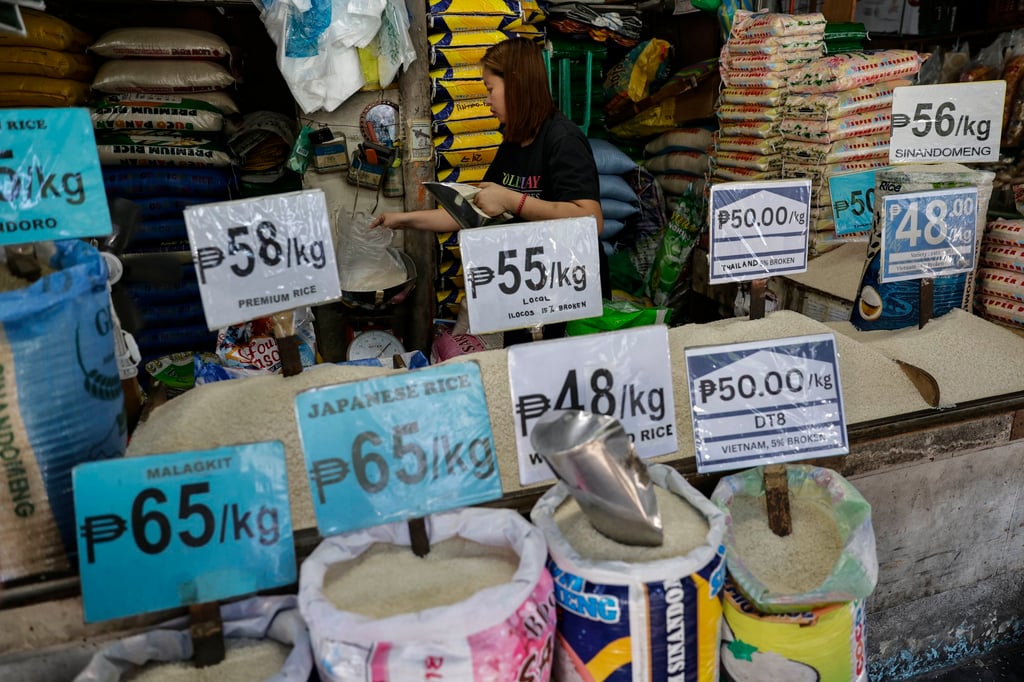
The persistent inflation would pinch businesses making non-essential products harder, crimping sales and earnings and weakening the spending power of some households and firms.
“The key attribute would be the pricing power of a business, or the ability to pass on higher costs in terms of higher selling prices to preserve profit margins,” Ricafort said.
On the other hand, industries facing strong competition cannot easily increase prices to cover rising costs, he said. This shrinks their profits, causes potential losses and reduces the ability to pay off debt.
Conflicting responses?
Meanwhile, U suggested contradictory measures to address stagflation.
While lower interest rates and an increase in government spending are typically done to tackle recessions or slow GDP growth, higher interest rates are usually employed to curb inflation.
“The conflict now is that high inflation, especially if caused by excessive private consumption, will usually call for raising interest rates or tighter monetary policy,” U said.
“If the inflation were due to excessive aggregate demand – which it isn’t – tempering it would call for lower government spending or a tighter fiscal policy.”
U said the government cannot control the high prices of imported oil and should instead “install corruption safeguards” to revive public infrastructure spending, which would “stimulate aggregate demand again”.
“The real remedy, such as building more energy facilities, takes years,” he said.
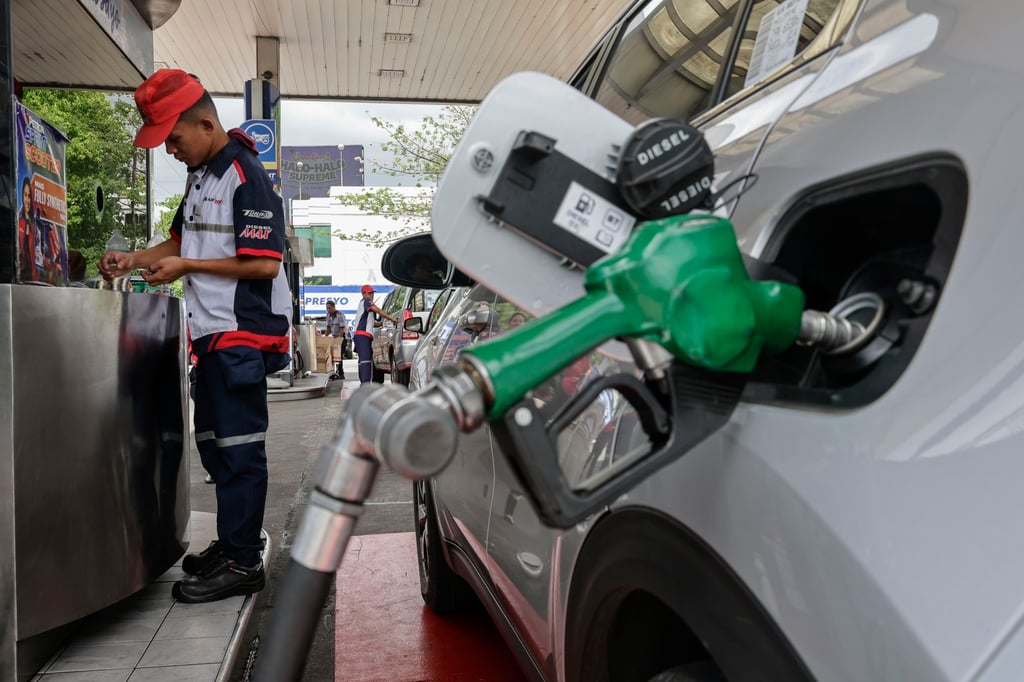
According to Ricafort, government catch-up spending on infrastructure, coupled with economic reforms and enhanced governance standards, would stem the slump and improve investor confidence in 2027.
He said prioritising the passage of bills aimed at battling corruption – including banning political dynasties, reforming the country’s party-list system and promoting greater budget transparency – would serve as “important catalysts” fuelling foreign and local investments, job creation and Manila’s financial markets.
“Thus, if anti-corruption measures and other related priority reforms that further level up governance standards are taken seriously, these would be the missing and remaining important catalysts that would help improve investor sentiment,” he said.
KioskNews shows a cleaned-up reading view extracted from the publisher’s page — the original always lives on their site, not ours.