The 8 Most Fun Best Picture Winners of All Time, Ranked

Thomas Butt is a senior writer. An avid film connoisseur, Thomas actively logs his film consumption on Letterboxd and vows to connect with many more cinephiles through the platform. He is immensely passionate about the work of Martin Scorsese, John Ford, and Albert Brooks. His work can be read on Collider and Taste of Cinema. He also writes for his own blog, The Empty Theater, on Substack. He is also a big fan of courtroom dramas and DVD commentary tracks. For Thomas, movie theaters are a second home. A native of Wakefield, MA, he is often found scrolling through the scheduled programming on Turner Classic Movies and making more room for his physical media collection. Thomas habitually increases his watchlist and jumps down a YouTube rabbit hole of archived interviews with directors and actors. He is inspired to write about film to uphold the medium's artistic value and to express his undying love for the art form. Thomas looks to cinema as an outlet to better understand the world, human emotions, and himself.
Sign in to your Collider account
There's a fallacy that anything recognized by the Academy Awards is the equivalent of "eating your vegetables." Over the Oscars' nearly 100-year history, this has never been true. Sure, the crop of Best Picture winners features its fair share of banal, forgettable historical biopics and turgid dramas, and the term "Oscar bait" exists for a reason. However, some of the most crowd-pleasing and entertaining movies of all time have been rightfully crowned Best Picture by the Academy. Voters understand that making the viewer feel alive and actively involved is a film's most powerful trait, and these 8 honorees of the Oscars' top prize are the finest examples of appealing to the masses while retaining their artistic merit.
8 'Everything Everywhere All at Once' (2022)
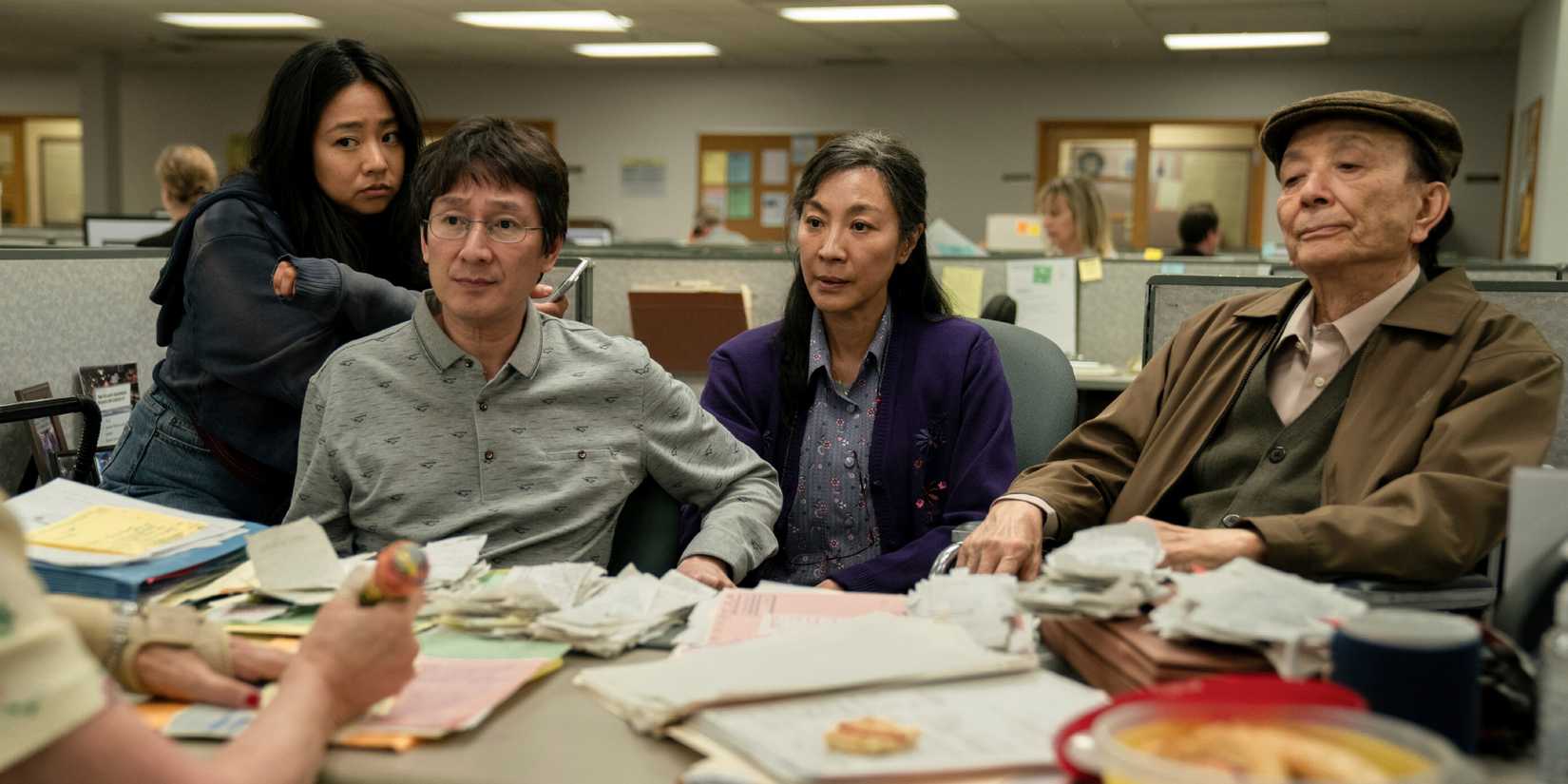
Find another Best Picture winner that features the multiverse, butt plugs, hot dog fingers, and a conversation between rocks. Spoiler alert: you can't. Everything Everywhere All at Once remains an anomaly among the crop of previous BP winners, and it set the trend for future unconventional movies to be taken seriously as awards contenders. The directing pair of Daniel Kwan and Daniel Scheinert being Oscar darlings was shocking, but when you look at the final product they produced in 2022, it's understandable why voters flooded them with awards. It's just so fun to watch, after all.
A film that won a whopping three acting awards, including for Jamie Lee Curtis, Ke Huy Quan, and Michelle Yeoh, Everything Everywhere All at Once sneaks up on you in surprising ways. Sincere at its most archaic, touching at its most silly, and expertly crafted at its most amateurish, the Daniels' action/sci-fi/comedy/family drama captured the world by storm upon release, unlike any other strange and exotic arthouse experience churned out by A24. With the directors throwing everything and the kitchen sink at you, it's easy to grasp on to something invigorating or rollicking.
Between its martial arts-inspired action and the romantic yearning of Wong Kar-wai, EEAAO is an active moviegoing extravaganza that makes the screen feel alive. With all its easter eggs, minor details, and other bells and whistles on the screen, the film rewards frequent re-watches. It doesn't take a lot of encouragement to get a viewer to strap along for the Daniels' multiversal odyssey. When watching EEAAO, you get the feeling of being transported not only to a new world, but to a whole new language of expressing cinematic ideas. That sure is exciting.
7 'The Silence of the Lambs' (1991)
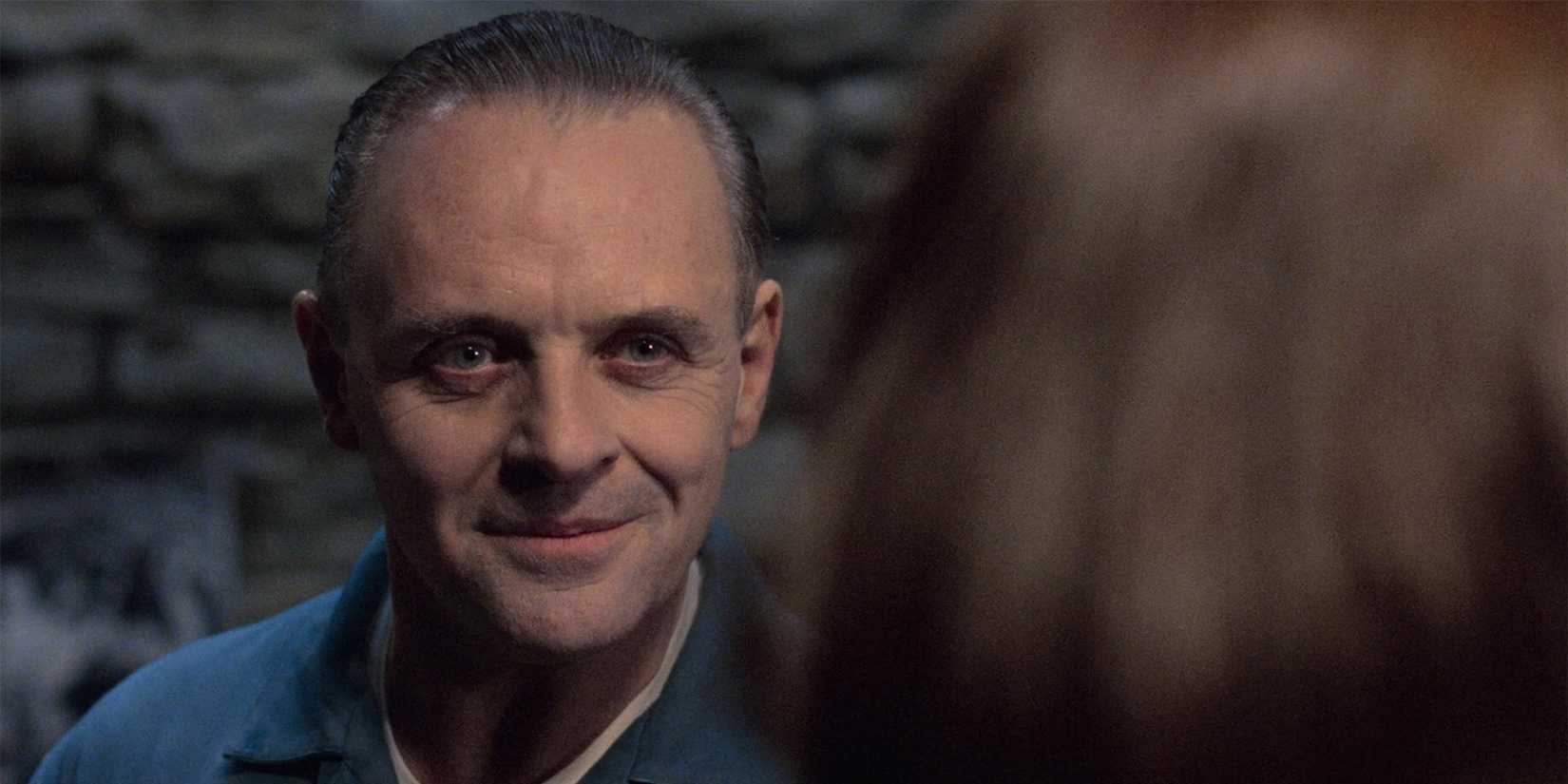
A movie like The Silence of the Lambs, an adaptation of Thomas Harris' same-named horror-thriller about abductions and serial murders, not only winning Best Picture but also sweeping all five major categories, seemed impossible. However, Jonathan Demme's box office smash-hit and critical darling defied the odds in 1991, winning Oscars for its director and two stars, Jodie Foster as Clarice Starling and Anthony Hopkins as Hannibal Lecter. The film's craft was so undeniable that the Oscars had to get over their bias against genre movies.
Demme, a versatile, journeyman director with a personal touch, unlocked his full potential with The Silence of the Lambs. Despite its lurid source material, the film is shockingly tender and understated as an intimate melodrama about the perverse human dynamics between opposite sides of the law. Demme's signature close-up shots lend sympathy to these psychologically warped serial killers and imbue terror into Clarice, one of modern cinema's most iconic female protagonists. With just roughly 15 minutes of screen time, Hopkins permanently shaped culture's vision of cunning, slick, and fiendish serial killers.
The film's craft was so undeniable that the Oscars had to get over their bias against genre movies.
While its artful nature is a thing of beauty, The Silence of the Lambs certainly doesn't sell short as a genre film. A quintessential case of a "B-movie with A-movie ideas," Demme unleashes his chops from working under the Roger Corman school with his execution of chilling suspense sequences and shocking horror flourishes. The emotional dread and palpable terror shared by all parties in the movie explain how such a grisly film could win Best Picture, as the film is just as interested in breaking down the psychology of sociopaths as it is in exploiting their danger. The Silence of the Lambs offers everything you want in a movie.
6 'West Side Story' (1961)
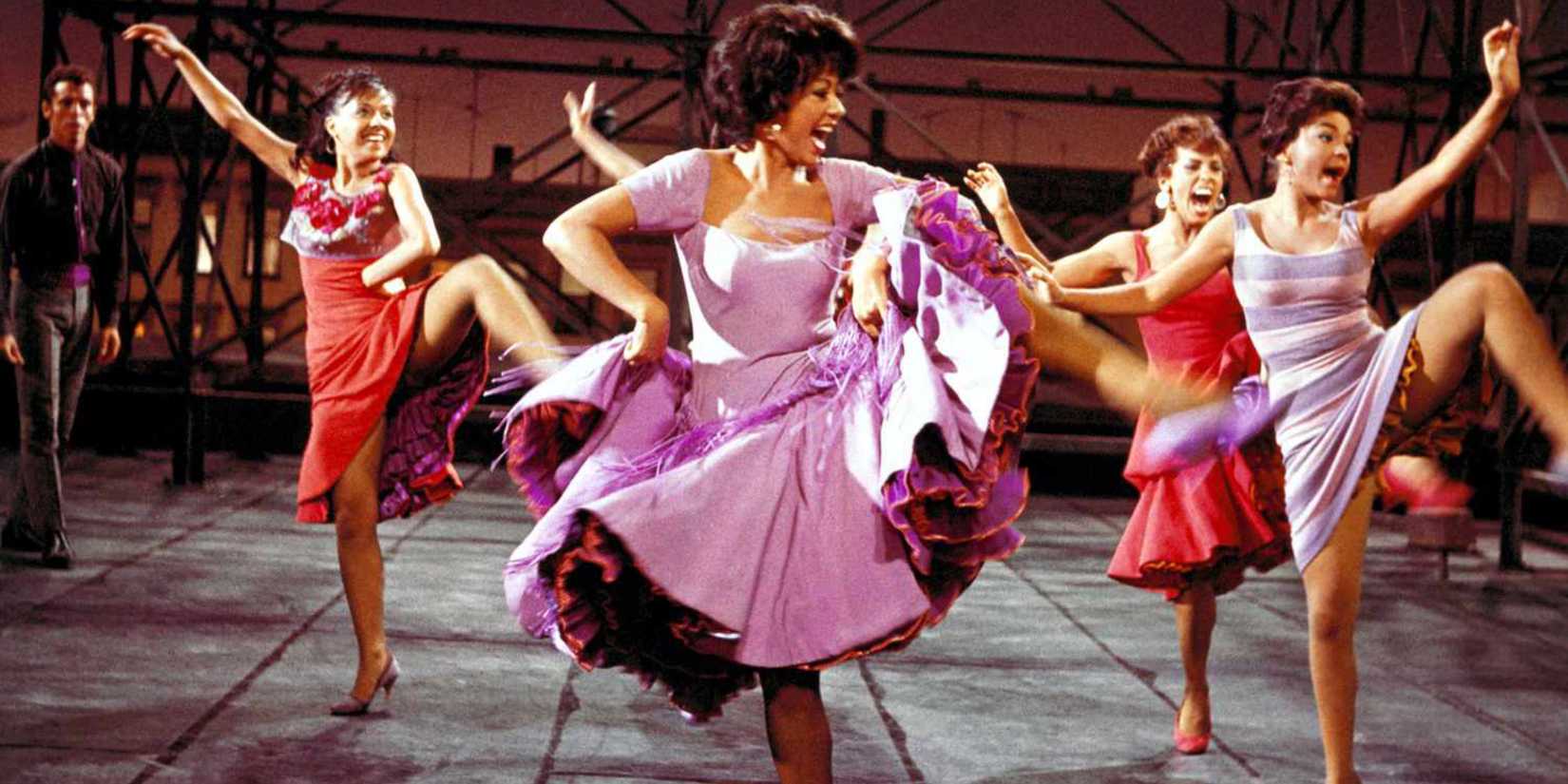
When you think of Hollywood musicals, West Side Story is one of the first things that is likely to pop into your head. Every song, number, studio backlot set, and image is seared into the heart of American culture. While it began as a stage musical by Arthur Laurents, West Side Story became firmly cemented in the lexicon with Robert Wise's big-screen adaptation in 1961, which earned a whopping 10 Oscars and has endured as a landmark of movie musicals. Despite its age, the film hasn't lost an ounce of its joyous entertainment value.
On the stage, West Side Story was already special, so it was a no-brainer for United Artists to re-use and reunite the previous collaborators, such as choreographer Jerome Robbins (who also co-directed the film), composer Leonard Bernstein, and lyricist Stephen Sondheim. As a result, the movie adaptation of the stage play was perhaps even more magical, giving this modern-day retelling of Romeo and Juliet a revamped energy thanks to the wonderful display of Technicolor and old-school romanticism. While Steven Spielberg's 2021 remake gives it a run for its money, there is still nothing as striking as Wise's foundational film.
Ripe with flashy showbiz vigor, whimsical tonality, and aching heartbreak, West Side Story works on you in multiple ways, hitting every nerve simultaneously. Wise, whose origins as an editor made for some of the most seamless choreography ever portrayed in film, conducts a dazzling symphony that turns harsh subjects such as race and class divides into popular grandeur. Capturing the essence of New York City through a theatrical re-creation of the gritty streets, West Side Story upends the masculine urges of gang warfare with this exhilarating song-and-dance show. Most impressive of all, the film remains an unimpeachable work despite the less-than-stellar lead performances by Natalie Wood and Richard Beymer, both of whom are outmatched by their all-star supporting co-stars, notably Oscar winners George Chakiris and Rita Moreno.
5 'Titanic' (1997)
James Cameron shouting, "I'm the king of the world!" after receiving Best Director at the Oscars was understandably met with some groans, but it's hard to deny that self-proclamation. Everyone doubted him, but he came out of Titanic as the king of the box office in 1997, and the monumental romantic epic went on to win a record-tying 11 Academy Awards, including Best Picture. Nitpick and sneer at it all you want, but Titanic is an undisputed masterpiece of major blockbuster filmmaking that wins over the most cynical viewers.
For months, extending past its 1997 release and awards run in 1998, the world had Titanic fever. From the swooning romance between Leonardo DiCaprio's Jack Dawson and Kate Winslet as Rose DeWitt Bukater to the grand sinking sequence, everyone had to have an opinion on the film. No one will argue that Cameron's writing isn't hokey and broad, or that its characters aren't confined to rigid cultural stereotypes, but anyone who does argue that the film's emotional impact and narrative construction doesn't pay out like a slot machine is delusional.
Although the film is about a tragic disaster where over 1,000 passengers and crew members died, Titanic became a cultural juggernaut thanks to Cameron's humanity, operatic romance, and personal strokes of triumph, most prominently seen with the redemption arc of the present-day Rose (Gloria Stuart). Its three-hour runtime flies by as fast as the titular ship's propellers, and the film is filled to the brim with enough iconic quotes, scenes, and images to keep your imagination flowing constantly. Cited as the finest example of a four-quadrant movie, Titanic offers everything. Whether you're looking for a fateful romance, period costume drama, historical epic, or action extravaganza, Cameron sampled all genres to create something truly indelible.
Collider Exclusive · Oscar Best Picture Quiz
Which Oscar Best Picture
Is Your Perfect Movie?
Parasite · Everything Everywhere · Oppenheimer · Birdman · No Country
Five Oscar Best Picture winners. Five completely different visions of what cinema can be — and what it can do to you. One of them is the film that was made for the way your mind works. Ten questions will figure out which one.
🪜Parasite
🌀Everything Everywhere
☢️Oppenheimer
🐦Birdman
🪙No Country for Old Men
01
What kind of film experience do you actually want? The best movies don't just entertain — they leave something behind.
02
Which idea grabs you most in a film? Great films are driven by a central obsession. What's yours?
03
How do you like your story told? Form is content. The way a story is shaped changes what it means.
04
What makes a truly great antagonist? The opposition defines the protagonist. What kind of opposition fascinates you?
05
What do you want from a film's ending? The final note is the one that lingers. What do you want it to sound like?
06
Which setting pulls you in most? Where a film takes place shapes everything — mood, stakes, what's even possible.
07
What cinematic craft impresses you most? Every great film has a signature — a technical or artistic element that makes it unmistakable.
08
What kind of main character do you root for? The protagonist is the lens. Who you choose to follow says something about you.
09
How do you feel about a film that takes its time? Pace is a choice. Some films sprint; others let tension accumulate slowly, deliberately.
10
What do you want to feel walking out of the cinema? The best films leave a mark. What kind of mark do you want?
The Academy Has Decided Your Perfect Film Is…
Your answers have pointed to one Oscar Best Picture winner above all others. This is the film that was made for the way your mind works.
Parasite
You are drawn to films that operate on multiple levels simultaneously — that begin in one genre and quietly, brilliantly migrate into another. Bong Joon-ho's Parasite is a film about class, desire, and the architecture of inequality that manages to be darkly funny, deeply suspenseful, and genuinely shocking across a single extraordinary running time. Your instinct is for cinema that hides its true intentions until the moment it's ready to reveal them. Parasite is exactly that — a film that rewards close attention and punishes assumptions, right up to its devastating final image.
Everything Everywhere All at Once
You want it all — and this film gives you all of it. The Daniels' Everything Everywhere All at Once is one of the most maximalist films ever made: action comedy, multiverse sci-fi, family drama, existential crisis, and a genuinely earned emotional core that sneaks up on you amid the chaos. You are someone who responds to ambition, who doesn't want cinema to choose between being entertaining and being meaningful. This film refuses that choice entirely. It is overwhelming by design, and its overwhelming nature is precisely the point — because the feeling of being crushed by infinite possibility is exactly what it's about.
Oppenheimer
You are drawn to cinema on a grand scale — films that understand history not as a backdrop but as a force, and that place their characters inside that force and watch what happens. Christopher Nolan's Oppenheimer is a film about the terrifying gap between what we can do and what we should do, told with the full weight of one of the most consequential moments in human history behind it. You want your films to feel important without feeling self-important — to earn their ambition through sheer craft and the gravity of their subject. Oppenheimer does exactly that. It is enormous, complicated, and refuses easy comfort.
Birdman
You are drawn to films that foreground their own construction — that make the how of the filmmaking part of the what it's about. Alejandro González Iñárritu's Birdman, shot to appear as a single continuous take, is cinema examining itself through the cracked mirror of a fading actor's ego. You respond to formal daring, to the feeling that a film is doing something that probably shouldn't be possible. Michael Keaton's performance and Emmanuel Lubezki's restless camera create something genuinely unlike anything else — a film that is simultaneously about creativity, relevance, self-destruction, and the impossibility of ever truly knowing if your work means anything at all.
No Country for Old Men
You are drawn to cinema that trusts silence, that refuses to explain itself, and that treats dread as a form of meaning. The Coen Brothers' No Country for Old Men is a film about the arrival of a new kind of evil — implacable, arbitrary, and utterly indifferent to the moral frameworks we use to make sense of the world. It is one of the most formally controlled films ever made, and its controlled restraint is what makes it so terrifying. You want your films to haunt you, not comfort you. You are not interested in resolution if resolution would be dishonest. No Country for Old Men is honest in a way that most cinema never dares to be.
4 'Casablanca' (1942)
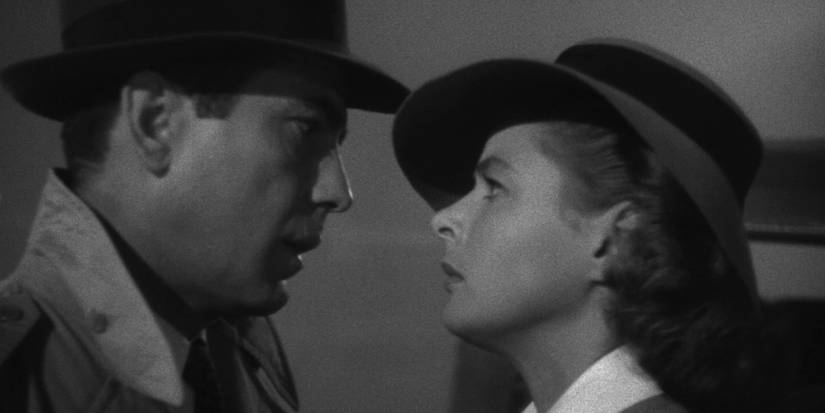
Arguably the most quotable movie in Hollywood history, Casablanca may seem like a staid relic of the classic studio system for younger audiences. However, anyone who thinks they can skip this towering achievement in filmmaking will regret ever holding that thought after watching it. Directed by Michael Curtiz and starring Humphrey Bogart and Ingrid Bergman, Casablanca embodies the wonder, imagination, and breathless entertainment value of old Hollywood, and it's time for modern viewers to embrace its enduring power over 80 years since its release.
While many iconic classics have been snubbed for the Best Picture prize, Casablanca was perhaps the ultimate "no-brainer" decision for the Academy in 1943. Set on the periphery of World War II at a titular nightclub, run by a cynical expat and former political activist, the film established the arc of the misanthrope-turned-saint. Bogart's screen persona was born the minute we first see Rick Blaine's hangdog, downbeat expression, and his relationship with his lost lover, Ilsa Lund, played by the luminous and transcendent Bergman. A story about an estranged romance and the stakes of WWII, Casablanca is a miraculous stroke of filmmaking.
On paper, something as dialogue-heavy and restricted as Casablanca shouldn't be such an enthralling viewing experience, but what it lacks in traditional thrills is made up for by its scintillating writing. From a narrative construction perspective, the film flows with incredible ease, taking the viewer along the ride as we come to learn the emotional backdrop of Rick's disillusionment and Ilsa's agonizing conflict. Of course, the film's script is famous for its vast array of legendary line readings, from "Here's looking at you, kid" to "Of all the gin joints, in all the towns, in all the world, she walks into mine." While not a traditional noir, Casablanca's moody atmosphere and gorgeous visual language create a sense of endless intrigue surrounding this lavish but bleak world.
3 'The Departed' (2006)

Yes, this is a make-up award, and it's ridiculous that it took this long for Martin Scorsese to win an Oscar, but these facts do not call for any disrespect thrown at The Departed's name. The film, which earned the renowned director his long-awaited Oscar for Best Director and Best Picture, acted as a "greatest hits" album for his entire career while also pushing his relentless energy and dramatic propulsion to new heights. For what it's worth, it's also one of his most addictively entertaining efforts to date, and that says a lot by Scorsese's standards.
During the casting process, Scorsese wasn't kidding around, as he assembled an all-star lineup featuring Leonardo DiCaprio, Matt Damon, Mark Wahlberg, and Jack Nicholson. The flashiness of his cast is matched by the operatic and maximalist scope of The Departed, a frantic, vulgar, and deliriously manic Boston-set gangster saga based on the Hong Kong crime drama Infernal Affairs. Tackling the American Dream, Irish guilt, family heritage, loyalty, and the blurred lines between cop and criminal, The Departed didn't reinvent the wheel, but it excited critics and audiences to profound degrees.
Despite its grit and bloodshed, The Departed is undoubtedly one of the funniest movies not just in Scorsese's career, but of any movie in the last 20 years. The film is just as much a tribute to classic Warner Bros. gangster pictures as it is to the Boston accent and loudmouthed, hard-nosed Irish-American culture. Every crass insult and passionate interjection will leave you howling, even when the comedy is pitch-black and relates to gruesome acts of violence. Along with the humor, The Departed moves at such a relentless pace, jumping from one wild scene to another without hesitation. One hour will zip past you, and it will feel like 10 minutes as this gripping story unfolds and characters flirt with death.
2 'Oppenheimer' (2023)
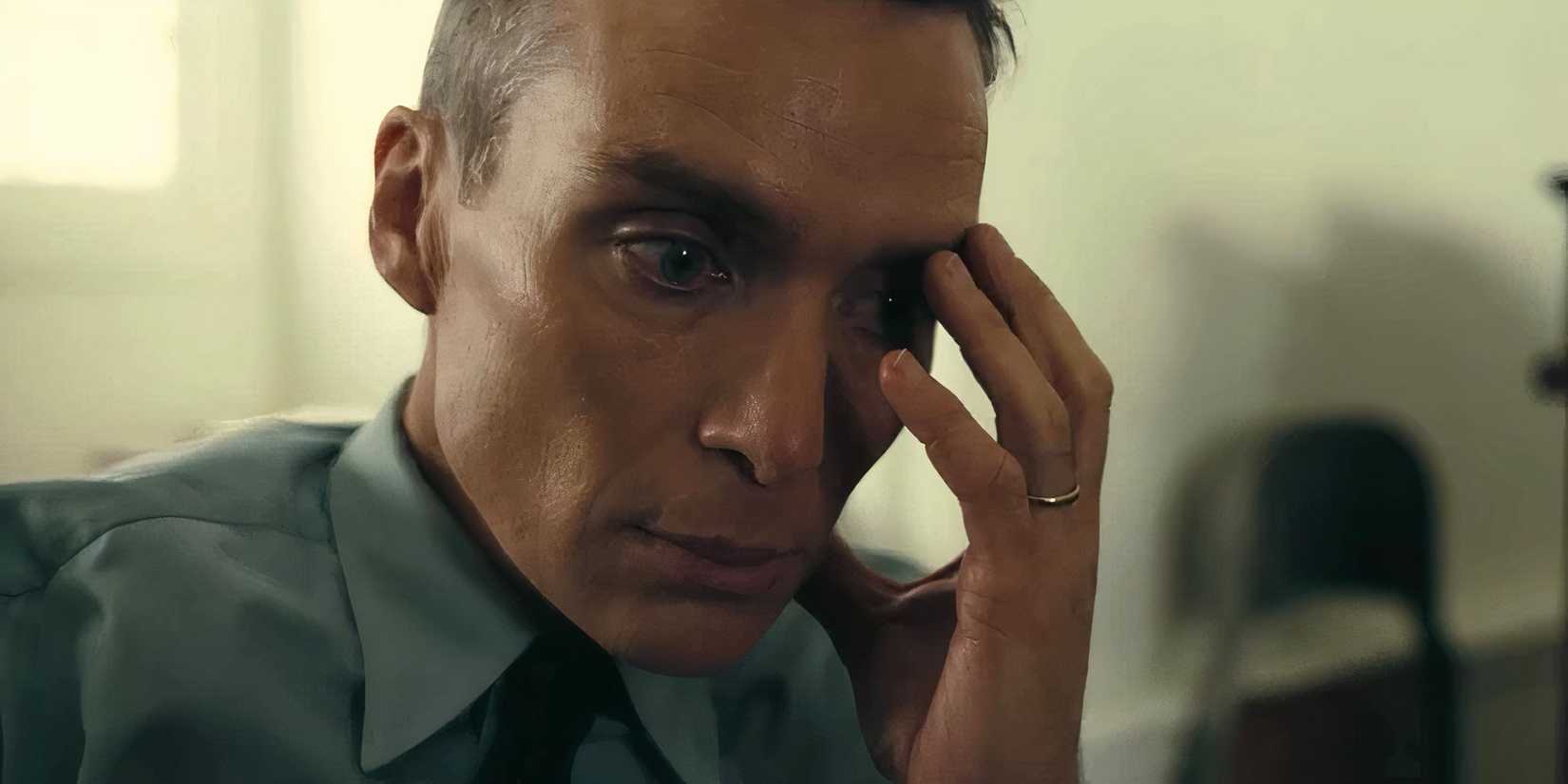
The rare Best Picture winner in the modern age to be both a blockbuster and a triumphant critical success, Oppenheimer was the culmination of everything Christopher Nolan was building towards. After years of industry-changing milestones with hits like The Dark Knight and Inception, our greatest living blockbuster auteur was officially crowned as the Steven Spielberg of his time with Oppenheimer, a film that turns what should've been a "homework" movie into a visceral, propulsive, and devastating feat of cinema.
With Nolan's The Odyssey currently dominating the culture, it's clear that Nolan is losing relevance any time soon, but until this year's Oscars, Oppenheimer, which won seven Academy Awards, including wins for Nolan, Robert Downey Jr., and Cillian Murphy, is his defining magnum opus. The film is a historical biopic on the surface, but Nolan's probing examination of the titular physicist's complex mind and deconstruction of his notorious legacy in American history make it a fervent psychological voyage unlike any other cradle-to-grave saga.
Despite the tragic circumstances surrounding the film's focal point, the development and weaponization of a nuclear bomb that was eventually dropped on Japan to end World War II, Oppenheimer has become an instant re-watchable classic. This is all thanks to Nolan's effortless skills as a director of escalating suspense and tension, best displayed in the showstopping Trinity Test. Oppenheimer is Nolan's most extraordinary directorial and screenwriting effort simply due to the fact that most of the "action" consists of people talking in rooms, but these security clearance hearings and Senate confirmation trials burst off the screen, aided by the staggering visual opulence of the IMAX cinematography.
1 'Parasite' (2019)

The film that defied all the odds. Not only did an international/foreign language film win the coveted Best Picture prize in 2020 (perhaps the world's last piece of good news before the pandemic), but Parasite proved to be a sensation that birthed an entire generation of cinephiles. The social satire/psychological thriller was the culmination of Bong Joon-ho's entire career. If Memories of Murder and The Host didn't do so already, Parasite showed that Bong operates at an entertainment level unmatched by his contemporaries. Once and for all, the film got all skeptics to realize that subtitles weren't a hindrance to fun.
In keeping with Bong's house style, Parasite is a mishmash of tones and genres, keeping viewers on the edge of their seats as they laugh at the vanity of the rich Park family, ponder the fate of the parasitic Kim family, and watch in awe as this social clash unfolds to shocking degrees in this film about South Korean culture and economics. Despite seeming like an insular subject for Western audiences, Parasite's infectious narrative construction and deft tonal balance were transfixing for mainstream audiences with little experience engaging with international cinema.
Bong's control of the frame is legendary, and we're hard-pressed to find a director with more precise control of their own movie than the South Korean auteur, who walked away from the Oscar ceremony with additional awards for Best Original Screenplay and Best Director. This sense of complete artistic virtuosity was palpable to any viewer without a Letterboxd, as the director's use of expert blocking, camera shifting, and music cues captures the feeling of a third act in a comic book movie. Not to mention, Parasite is simply hilarious and invigorating, and its genre exceptionalism complements its deep thematic commentary.
KioskNews shows a cleaned-up reading view extracted from the publisher’s page — the original always lives on their site, not ours.