Government accused of ‘utter betrayal’ after MPs back Shabana Mahmood’s immigration reforms
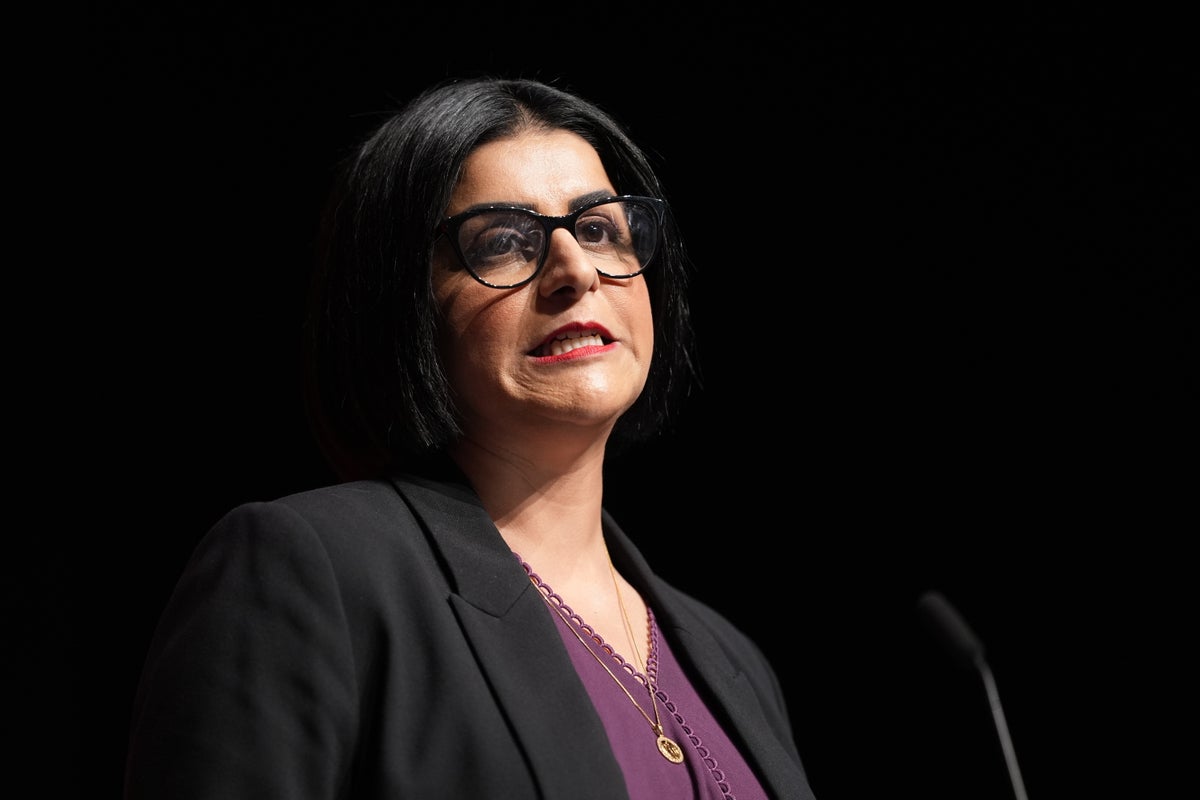
Reforms to the UK’s immigration system led by Home Secretary Shabana Mahmood have passed the House of Commons, despite a minor Labour backbench rebellion.
The Immigration and Asylum Bill cleared its final hurdle in the chamber on Tuesday by 290 votes to 94, a majority of 196, and will now progress to the House of Lords for scrutiny.
Fourteen Labour MPs rebelled at the third reading to oppose the legislation, voicing criticism over the Government’s updated asylum and returns policy.
Opposing the draft law, Bell Ribeiro-Addy warned that settlement rights could be "bought and flogged to the highest bidder" under the proposals.
Apsana Begum, who joined her in opposing the Bill, accused the Government of an "utter betrayal".
Official parliamentary records confirm Diane Abbott, Richard Burgon, Ian Byrne, Cat Eccles, Imran Hussain, Kim Johnson, Ian Lavery, Brian Leishman, Rachael Maskell, Andy McDonald, John McDonnell and Nadia Whittome also voted against it.
Ms Mahmood described the Bill as the "most significant migration reforms of modern times", telling the Commons it would shut "loopholes that have been exploited" within the legal framework.
Under the plans, removals of failed asylum seekers would be accelerated, with immigration officers no longer required to provide five working days’ notice before initiating the removal process.

The draft law also seeks to reduce the leave granted to people given refugee status from five years to two-and-a-half years.
An independent immigration appeals authority would also be created under the legislation, which Ms Mahmood said would make "asylum decisions swifter".
A blanket proposal to increase the wait time for permanent settlement for people on work visas for low-skilled jobs was dropped by the Government earlier this month, following a backlash from its own backbenches.
Therefore, those on health and social care visas who meet their visa conditions and earn at least £25,000 a year would continue to be eligible after five years in the UK.
This was supported by Labour MPs, but on Tuesday they pressed the Government to use the Bill to go further and broaden the carve out to other skilled workers.
Home Office minister Anna Turley said the “targeted exemption for care workers and other non-degree level public sector roles in health and education” was “exceptional”.
“It’s been done in view of their service during Covid, and since, in our recovery, when we asked them to come to this country and support us in looking after some of our most vulnerable people,” she added.
Neil Duncan-Jordan, Labour MP for Poole, welcomed this but tabled an amendment to broaden the eligibility, arguing the longer wait for settlement “risks alienating skilled workers that benefit the UK every single day”.
Ms Ribeiro-Addy spoke in support of his amendment, which was backed by trade unions Unison and Unite.
The Labour MP for Clapham and Brixton Hill said: “If it’s wrong to change the rules halfway through for care workers, why is it right to do it for everyone else who came here under the same understanding?

“For almost everyone earning under £50,000, the wait for indefinite leave to remain will double from five years to 10. But someone earning over £125,000 will just wait for three years.
“Settlement isn’t being earned, it’s being bought and flogged to the highest bidder.”
Ms Turley rejected the amendment, saying it would exempt skilled workers from English language and criminality settlement conditions.
She said: “It would take us back to the places before, where only those who have a custodial sentence of 12 months or more would be barred from settling if this amendment were to pass.
“I do not accept that the country has a duty to let domestic abusers, shoplifters, sex offenders settle.”
Mr Duncan-Jordan had earlier argued his amendment “in no way constitutes a free pass for people with persistent criminal records”.
Ms Begum accused the Government of changing the goalposts, adding: “This is not just a breach of faith, but it is from the perspective of many of my constituents and myself an utter betrayal.”
New clause 62 was supported by more than 20 Labour MPs, but overall the Commons voted 44 to 368, majority 324, against it.
At report stage, Ms Begum called on the Government to prevent the personal data of victims, witnesses or reporters of abuse offences being used for immigration investigation or enforcement.
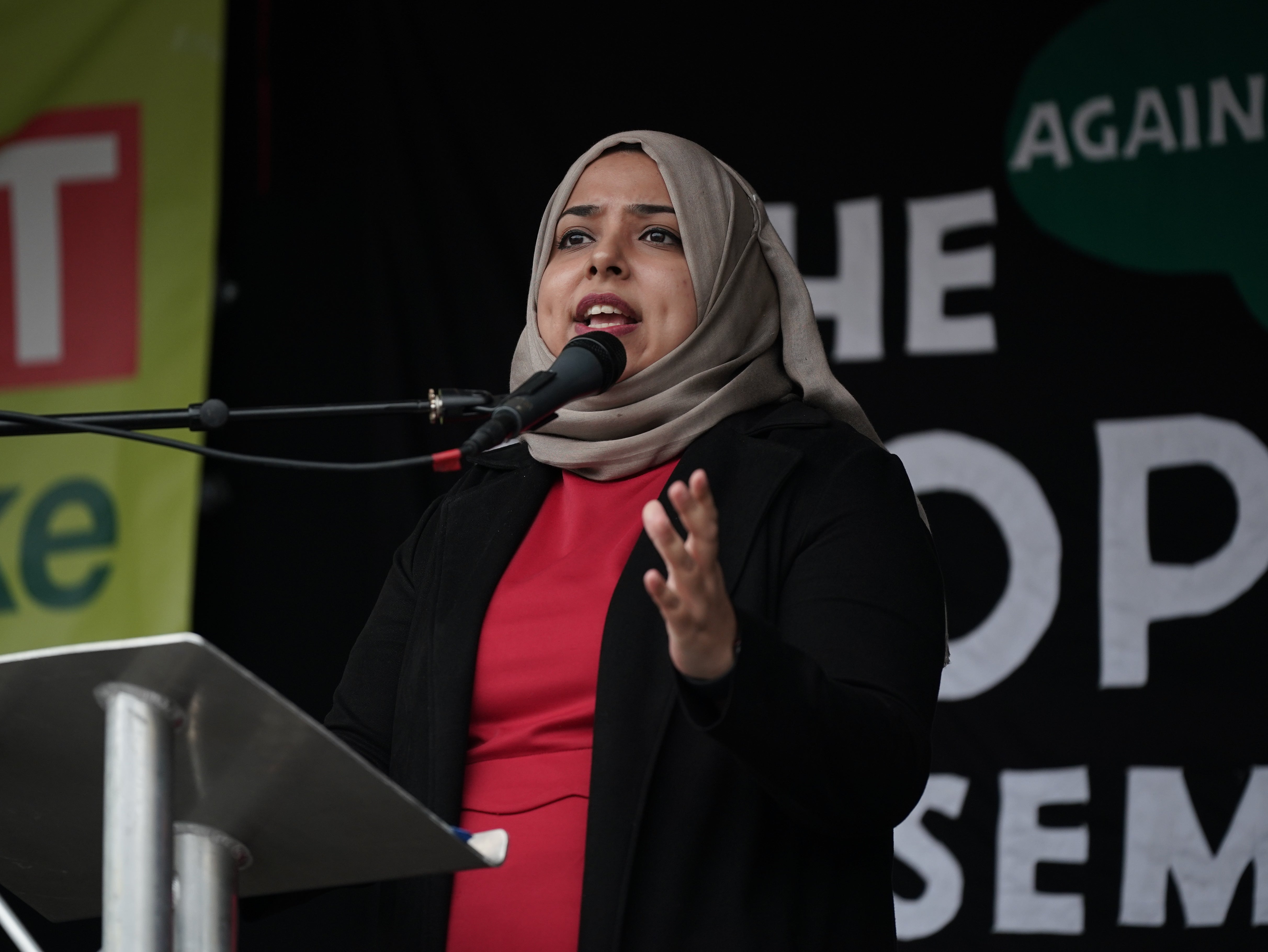
The Labour MP for Poplar and Limehouse said: “We know that hundreds of migrants who report domestic abuse have their details shared with immigration enforcement every year.
“These routine referrals allow perpetrators to weaponise immigration status against victims, providing abusers with a tool of coercive control and a means to evade justice.”
Elsewhere in the debate, SNP MP Pete Wishart (Perth and Kinross-shire) accused Reform UK MP Sarah Pochin of “quasi-racism”.
The Runcorn and Helsby MP had warned of a “hostile invasion”, adding: “The progressive liberal elite need to wake up and see what is happening to this country.
“If we do not stop the invasion of the UK, we will not recognise this country in years to come.”
Mr Wishart later said: “That was one of the most disgusting, obnoxious speeches that I have ever heard in this House.
“She castigates whole cultures and communities as deviant and not welcome in this country, and the sheer quasi-racism at the heart of all her remarks is something that should ashame her.”
Shadow home secretary Chris Philp said the Bill “makes some small steps in the right direction”, but added: “Until we leave the ECHR and completely dismantle the legal system around illegal migration and foreign criminals, we will never succeed in controlling our country’s borders.”
KioskNews shows a cleaned-up reading view extracted from the publisher’s page — the original always lives on their site, not ours.