What public officials must ask: Whom do we serve?
The episode illustrates the qualities he expected of officials: Integrity under pressure and the willingness to act promptly to uphold law and order and protect minorities.
4 min readOct 12, 2026 07:15 AM IST First published on: Oct 12, 2026 at 07:15 AM IST
At the heart of the debate over institutional integrity lies a question: How should a bureaucrat do the right thing? When the indelible ink of elections loses its sanctity, bridges collapse, and food and drugs are adulterated, what should guide a civil servant? If Mahatma Gandhi, Sardar Vallabhbhai Patel, Lal Bahadur Shastri and Deen Dayal Upadhyaya were alive today, what advice would they offer those entrusted with public office?
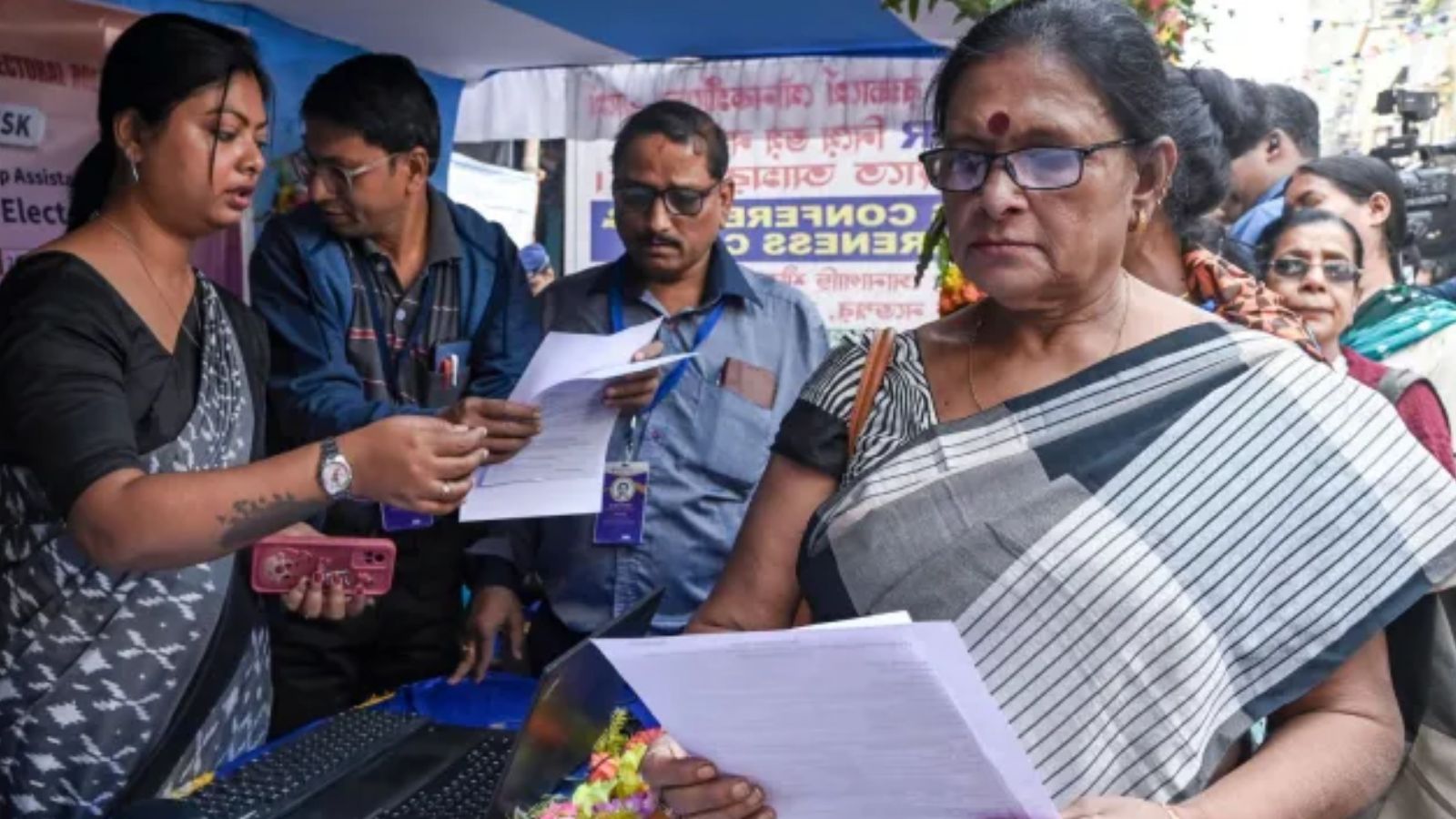
The Mahatma’s most frequently cited counsel is: “Whenever you are in doubt, or when the ‘self’ (ego) begins to overpower you, apply this test. Recall the face of the poorest and weakest person you have ever seen, and ask yourself if the step you are about to take will benefit them. Will they gain anything from it? Will it restore their control over their own life and destiny?” Gandhi viewed public office as a form of trusteeship, with power and funds held in trust for the people, especially the poorest. When rules governing electoral rolls are tweaked, officials must remember the vulnerable citizen who, lacking a school-leaving certificate, stands in line with her Aadhaar card in a plastic bag, asking to be counted.
KioskNews shows a cleaned-up reading view extracted from the publisher’s page — the original always lives on their site, not ours.