2026’s Jurassic Park Replacement Broke The Rule That Made The Original Movies So Popular

Zoë Miskelly is an editor and second in command for Screen Rant's Movies team, having covered the entertainment industry for almost 10 years now. Zoë's love of superheroes and all things Marvel & DC started out in childhood, and has blossomed into a career getting to talk about some of the biggest and best movies and shows of all time, having previously focused on comics while working at WhatCulture.
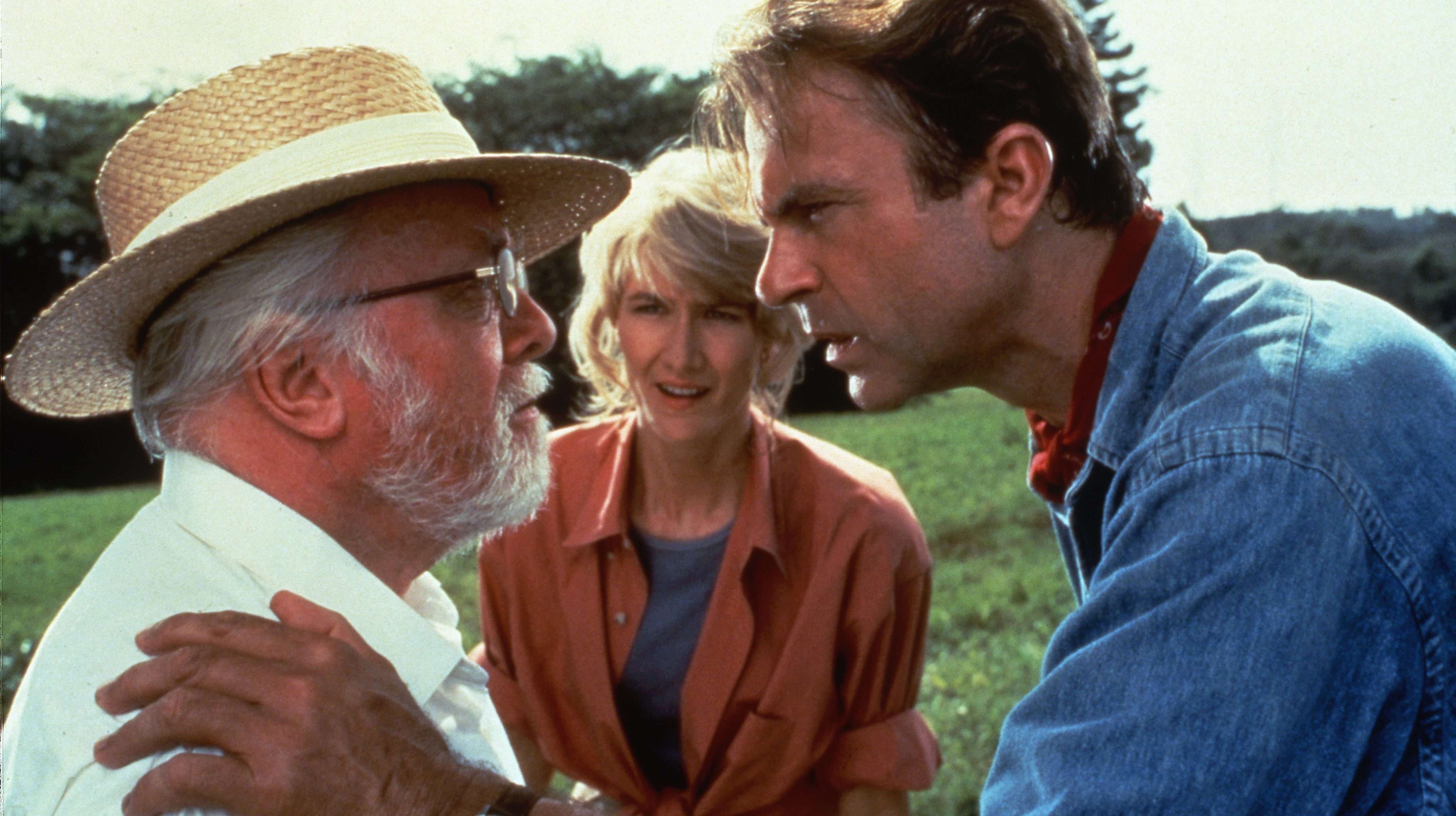
2026's Jurassic Park movie replacement breaks a key story rule for the beloved dinosaur film and the vast majority of its follow-ups that makes them work, placing the newer release in a fascinating position story-wise. It's borderline impossible for any new dinosaur movie to be made without at least some passing throught being given to how it mirrors or contrasts with Jurassic Park, since the original film and the broader Jurassic Park franchise that spawned from it are effectively synonymous with the concept of dinosaur movies to this day.
Much like any franchise reaching new heights of fame, this comes with positives and negatives for the wider movie landscape. On the plus, Jurassic Park is a perfect source of inspiration and education for any stories delving into similar territory, since its lasting reputation was cemented by how much of its narrative it truly gets right. On the downside, this makes taking a new path more of a challenge in some senses for future films, as many viewers are actively hoping for the exact same kind of experience they got watching Jurassic Park for the first time.
Though this can make for a delicate balancing act for new dinosaur movies that delve into a similar territory to Jurassic Park, it also makes it all the more fascinating when a film of this caliber decides to mirror some of Jurassic Park's premise and approach while totally contrasting it in others - as was the case most recently with 2026's The End of Oak Street.
The End Of Oak Street Mirrors Jurassic Park's Best Feature, But Flips What Makes It Work

The End Of Oak Street and Jurassic Park have natural parallels that go further than both films simply having dinosaurs that our protagonists have to deal with despite being woefully ill-equipped to do so, as each movie also makes this matter more complex by trapping our heroes in an isolated and almost impossible to escape from location.
In Jurassic Park, this is the park itself, which goes from being an awe-inspiring and safe-seeming zoo with its dinosaurs in enclosures, to a death trap wherein hungry raptors target humans as their main source of food pretty quickly once the facilities' safety measures are breached. For The End Of Oak Street, the title also denotes the location the Platt family are trapped in, since Oak Street is transported through time, leaving the heroes with no easy way to return to their own era, and with a miles-long drop should they wish to try and even leave the street itself.
However, though this is very similar territory on paper, these two settings have one crucial difference between them: Oak Street is where the Platt family have lived for years, whereas the park is far less of a familiar setting for most of Jurassic Park's cast, and this is also true for the film's sequels.
Though there's a unique kind of horror to be had from the Platt family finding their hometown transformed before their very eyes, their family knowing how to navigate Oat Street and being able to retreat to the semi-safety of their own house means it can't replicate the exact Jurassic Park-flavored horror that comes from depicting protagonists who are forced to navigate an unfamiliar setting filled with lethal threats in the same way, which undermines its scare factor on this level.
The End Of Oak Street's Setting Twist Makes It Unique, But Loses Some Of Its Jurassic Park-Esque Appeal

The End Of Oak Street arguably works because it takes the familiar, nostalgic elements of the 80s and films that released then, and turns them on their heads. We are introduced to the wholesome all-American-seeming Platt family, but swiftly learn they are not the cheesy flawless action protagonists one might expect. Their setting transforms in a similar way, with even their home being breached by a sneaky reptilian invader, taking the once peaceful-looking suburbs and making them a place of infinite danger.
Similarly, the story shows more depth by flipping certain story tropes, including Greg Platt being brutally mauled by a dinosaur just as it seems he's getting his hero moment, and with Brian Platt's initial teased crush on his neighbor Jeannette Christiansen being a red herring of sorts, as it appears by the movie's end that his sister, Audrey, is instead the one who has a relationship with her.
All in all, this works well to keep up a good level of suspense for the movie, as it's repeatedly made clear that it's more than ready to subvert expectations almost every step of the way.
However, this does come at the cost of sacrificing some of the parallels between The End of Oak Street and Jurassic Park - which works well in terms of letting the later movie be its own thing, but does mean some who turn to the film hoping for the exact same kind of dinosaur-based tension as the original 90s classic may find themselves confronted with a different overall narrative vibe.
KioskNews shows a cleaned-up reading view extracted from the publisher’s page — the original always lives on their site, not ours.