Iowa farmer gave 2 acres to wind turbines; lease became farm’s most profitable part
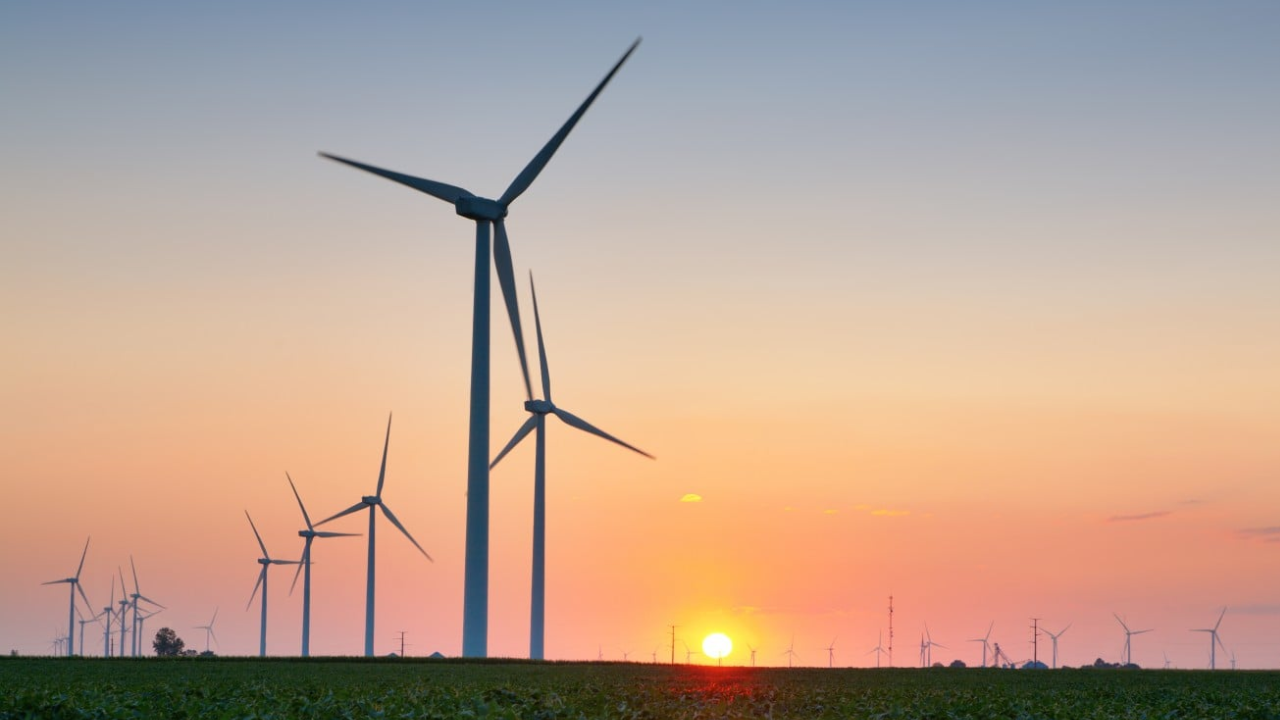
An Iowa corn and soybean farmer found that using less than two acres of his cropland for renewable energy equipment created the most reliable financial return across his entire property.
According to a feature published by Progressive Farmer in April 2021, the farmer agreed to host two industrial wind turbines, along with access roads and electrical equipment. In return, the energy developer paid him $25,000 each year. This created a fixed income stream that was much more predictable than traditional commodity markets. The arrangement shows a wider economic shift across rural farming communities in the United States.
Landowners are increasingly combining crop farming with clean energy production to protect themselves from market changes and rising production costs.
Financial stability on the farm
Traditional farming can expose producers to major financial swings caused by international trade policy, extreme weather and changing prices for fertilizer, seed and fuel. According to DTN analysis, yearly turbine lease payments provide a guaranteed income floor that is not affected by rainfall or commodity prices.
Speaking to Progressive Farmer about how the deal affected his business, the Iowa farmer said the wind energy agreement produced the highest net return per square foot of any enterprise on his land.
Grain crops require large yearly expenses for chemical treatments, diesel fuel and specialized harvesting machinery. Lease agreements, however, require almost no yearly costs from the property owner. The physical space used by the turbines is very small compared with the total farm.
Modern commercial wind towers require about three-quarters of an acre each for the concrete base, transformer pad and gravel access road. The surrounding fields can still be used normally with standard farm equipment.
Growing adoption across the Midwest
Iowa has become a major center for onshore wind development in the United States. Data from the U.S. Energy Information Administration shows that wind turbines generated more than 60% of Iowa's total electricity output in recent years.
This was the highest share of wind power generation of any state. Farmers across the Midwest have increasingly used energy development as another source of income. CBS News reported in a June 2024 regional broadcast that wind energy companies in rural areas provide important revenue for older farmers.
The payments have helped some property owners deal with older farm debts and keep their family land during difficult market periods.
Long-term utility agreements typically last 20 to 30 years. They give landowners a long-term source of income, unlike short-term grain contracts, which can change with market conditions.
Community revenue and infrastructure impact
Utility-scale wind projects can provide more than direct payments to landowners. They also create tax revenue for local governments and public school districts in rural counties. According to research published by the American Clean Power Association, wind developers pay more than $1.5 billion each year in combined land lease payments and local property taxes across the country.
In many farming counties, this money helps pay for road repairs, emergency service improvements and public school projects without increasing taxes on local residents.
Despite these economic benefits, some communities have resisted new wind projects. Several county boards across the Midwest have passed local zoning rules with strict setback requirements or temporary bans on new commercial turbines. These rules have been linked to concerns about the visual impact of turbines, noise levels and land values.
Integrating energy with agriculture
Agricultural researchers use terms such as agrivoltaics or agricultural co-location to describe the combined use of land for farming and energy production. In wind energy partnerships, farmers can continue growing corn, soybeans or wheat around the turbine sites. Food production can therefore continue alongside clean power generation. As farmers deal with changing weather and tight profit margins, fixed land lease payments can provide an important way to make farm income more stable.
For many agricultural operators, these agreements offer a long-term source of income while allowing most of the land to remain in active farm use.
KioskNews shows a cleaned-up reading view extracted from the publisher’s page — the original always lives on their site, not ours.