Legendary Star Trek Writer Reveals The Hardest Next Generation Character To Write For: “We Didn’t Know What To Do With That”

John Orquiola is a TV Editor, Senior Writer, and Interviewer with a special focus on Star Trek. John has over 5,000 published articles at SR, and he has interviewed the biggest names in Star Trek on the red carpet and VIP events, among other beloved shows, movies, and franchises.
Sign in to your ScreenRant account
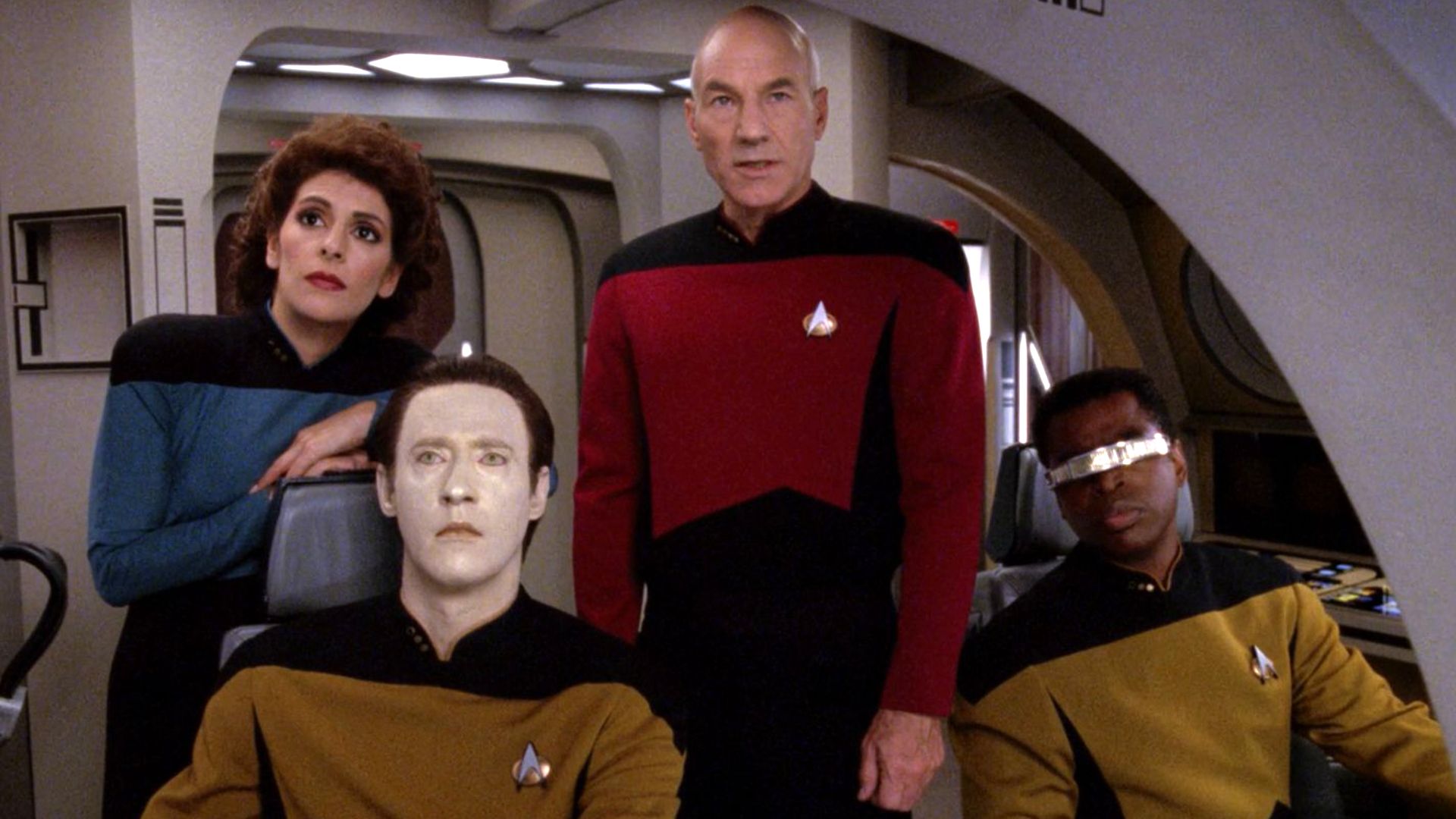
Legendary writer and producer Ronald D. Moore looks back on his time on Star Trek: The Next Generation and discusses which main character was the most problematic.
Moore joined Star Trek: The Next Generation in season 3 and wrote some of the series' best episodes, like "Family," "Relics," "Chain of Command," and "Tapestry." Moore also became known as "The Klingon Guy," and he was responsible for creating the backstory of Lieutenant Worf (Michael Dorn) and developing the Klingon culture. After distinguishing himself on TNG and Star Trek: Deep Space Nine, Moore went on to reboot Battlestar Galactica for Syfy, and create Outlander and For All Mankind.
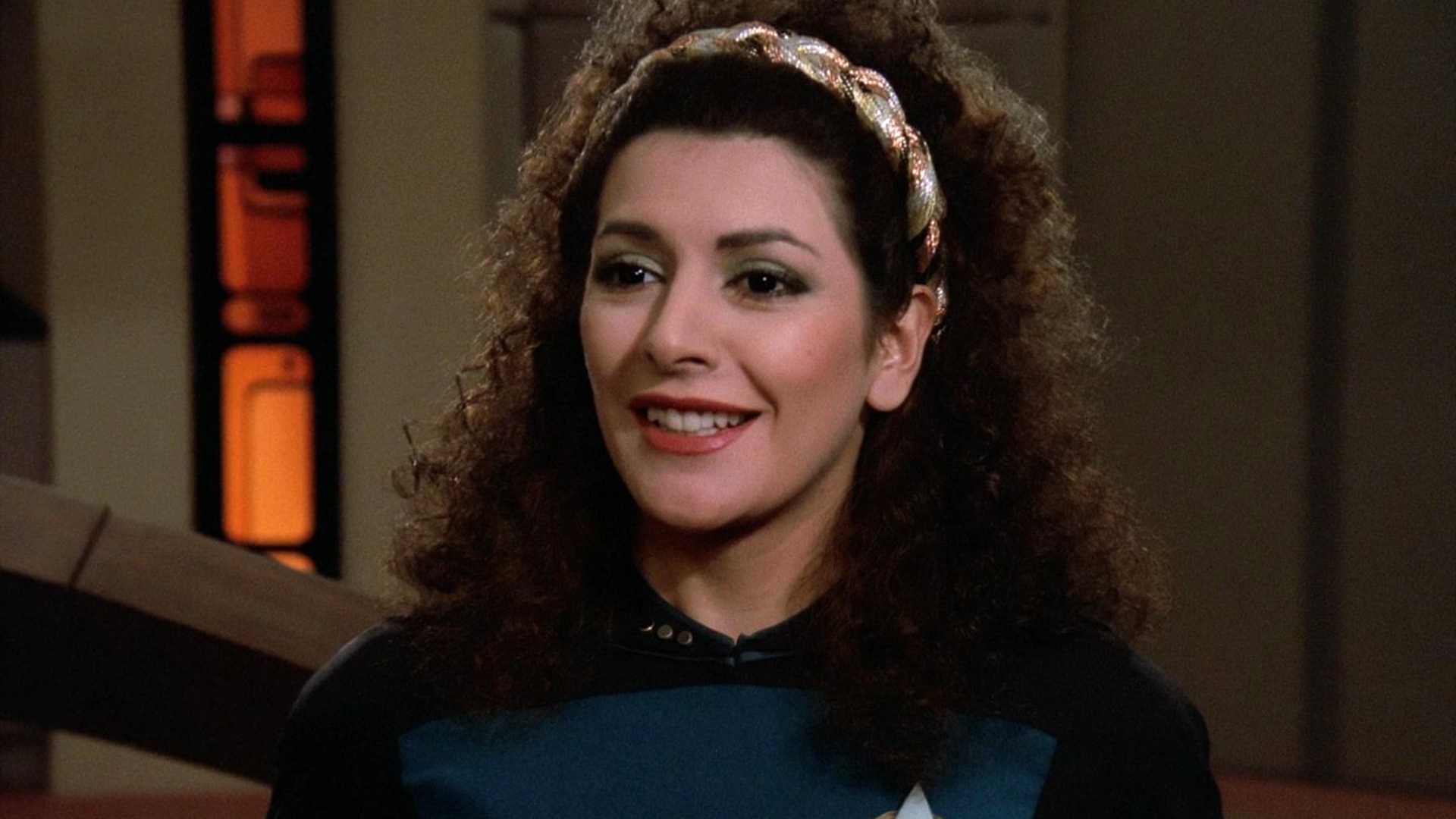
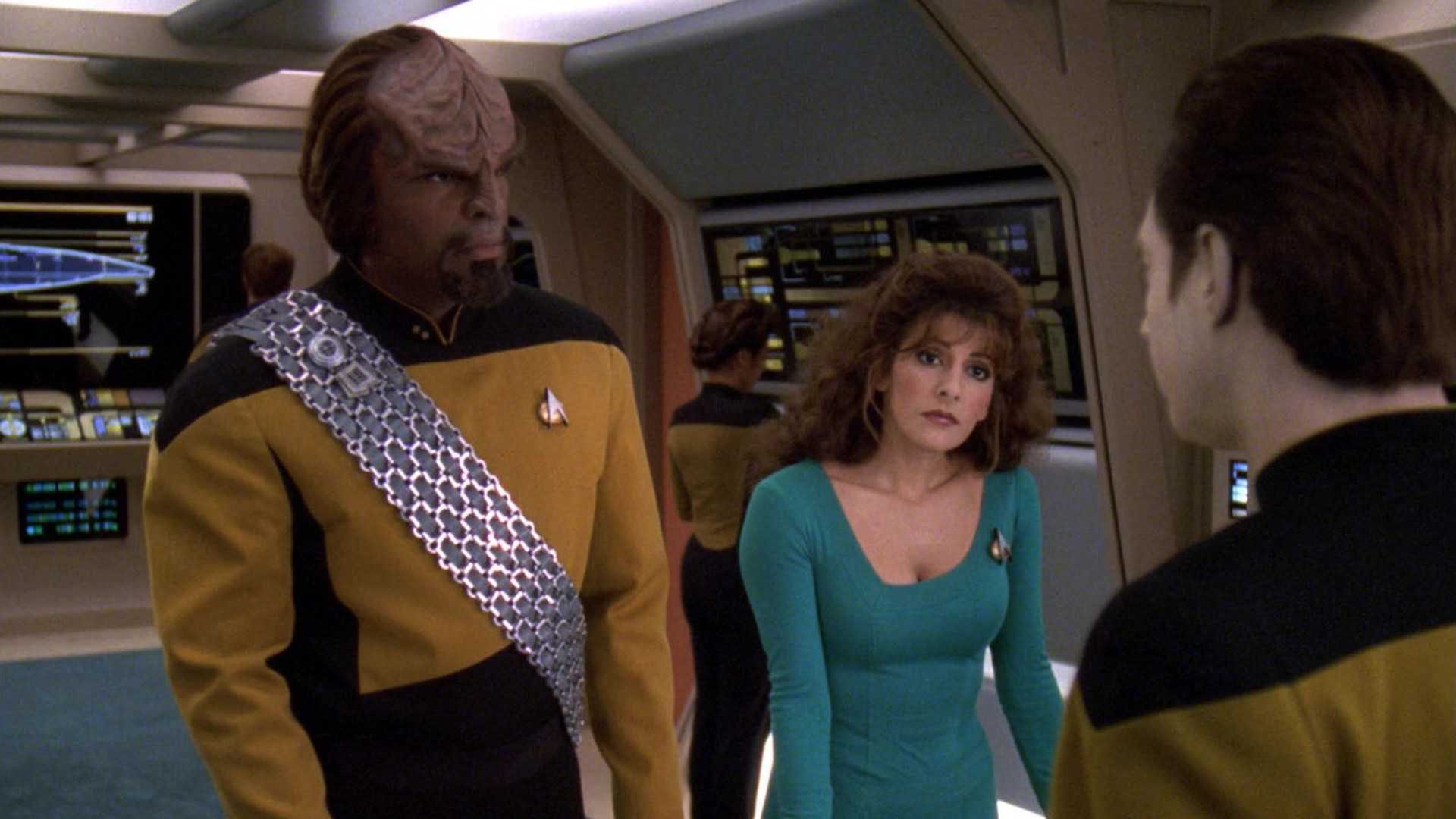
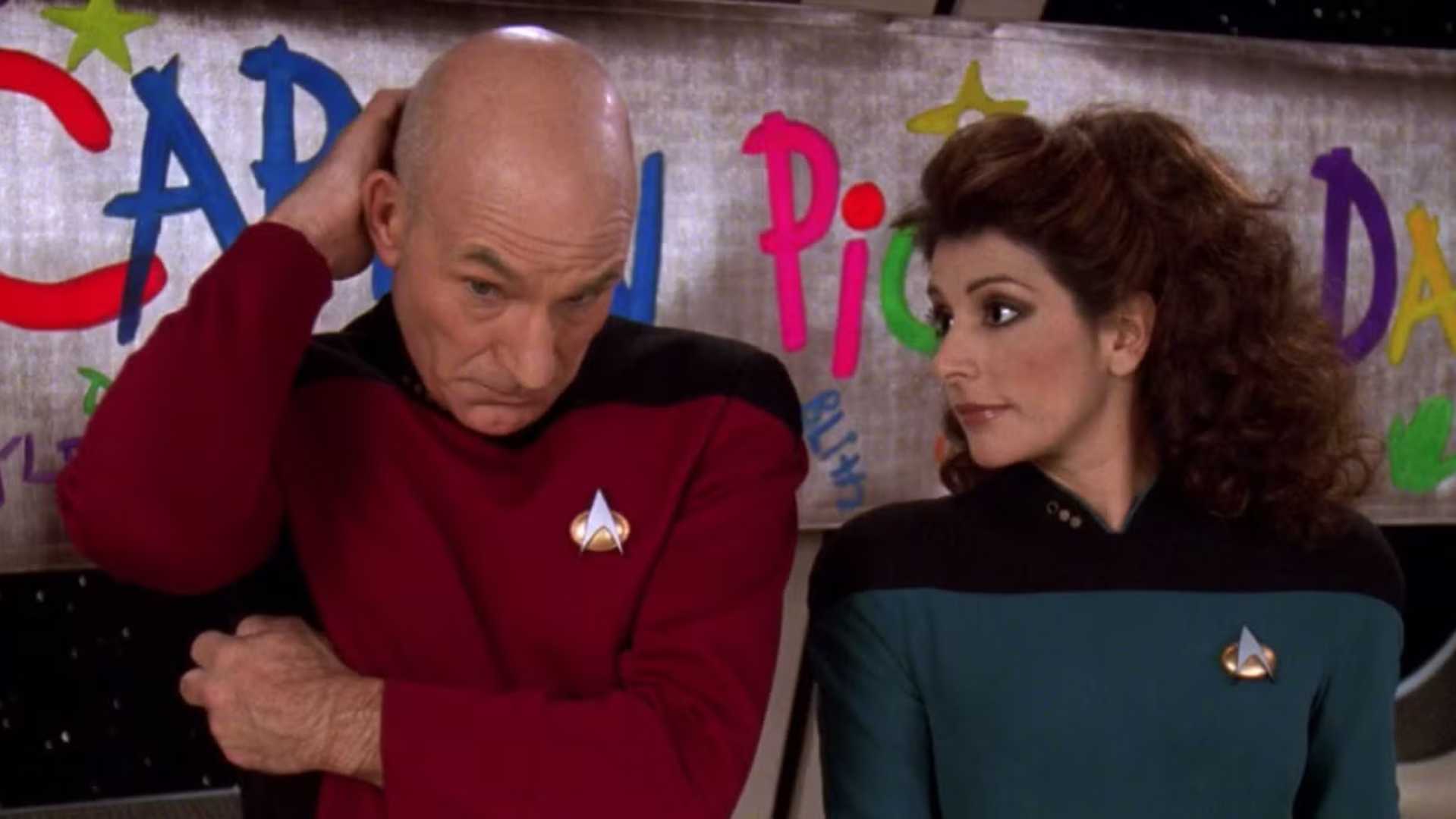
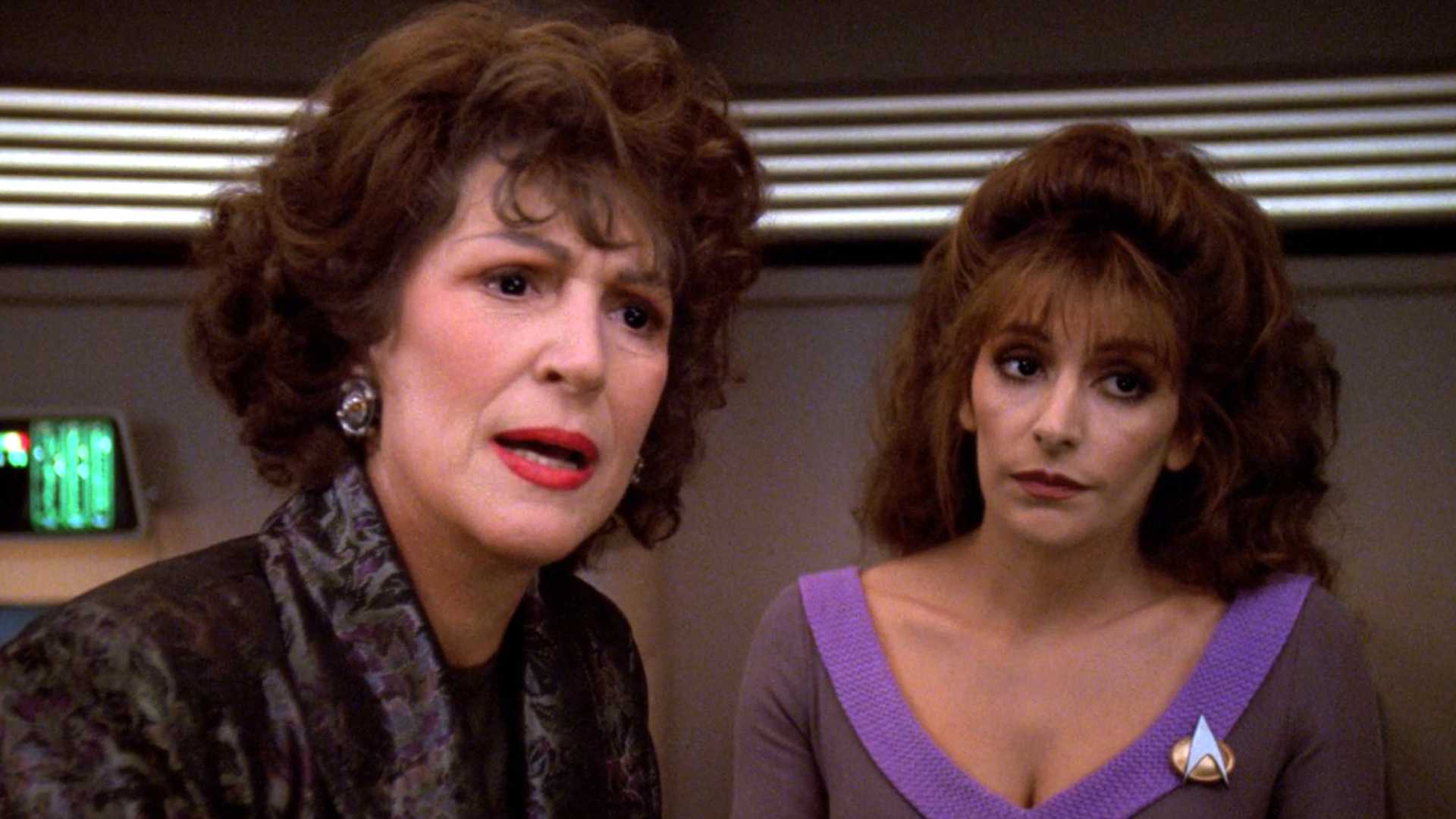
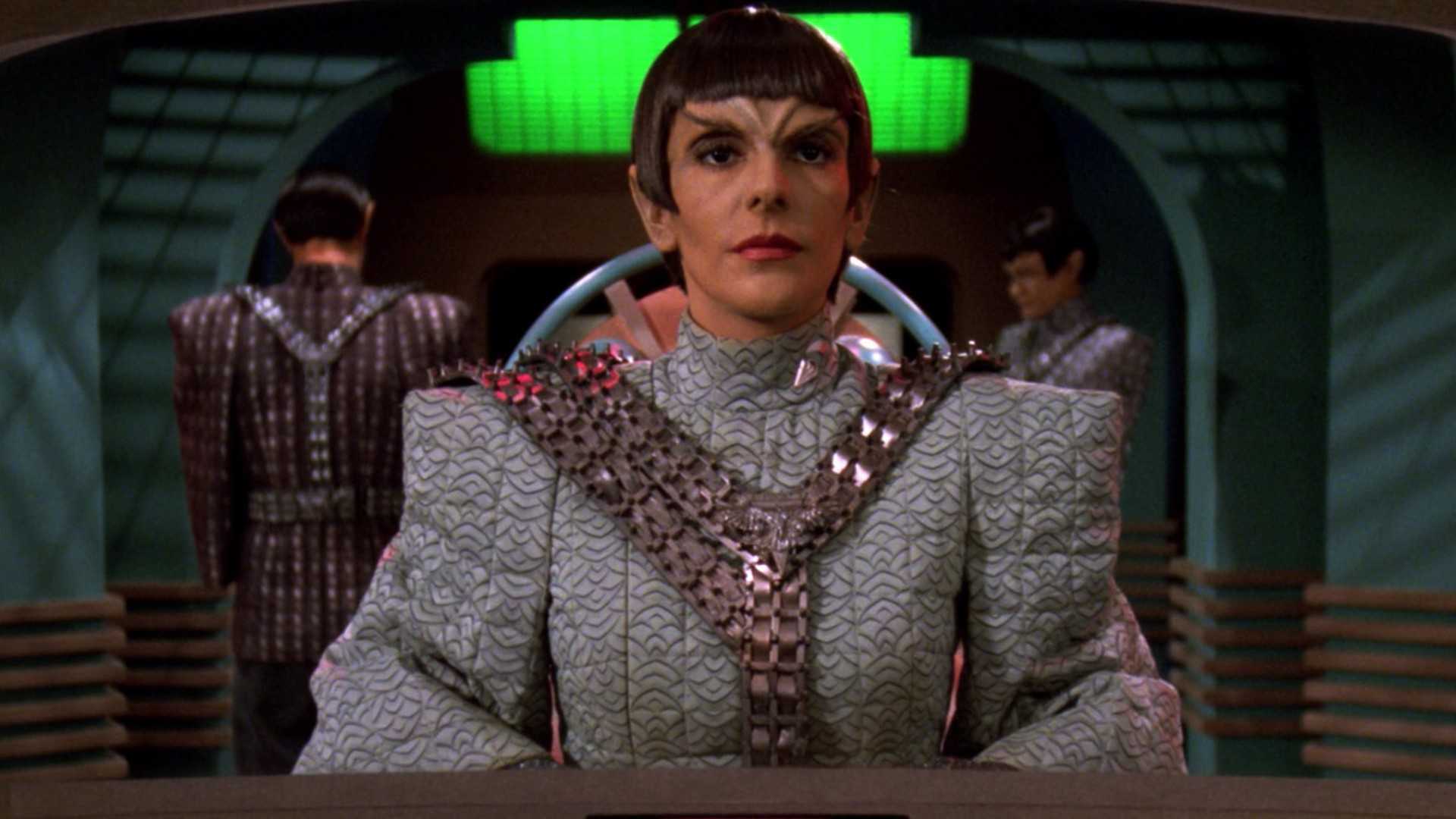
As a special guest on The 7th Rule with Cirroc Lofton and Ryan T. Husk's series, Closing the Book on Star Trek: The Next Generation, Ronald D. Moore answered a question from visual effects artist Matt Boardman about which TNG character the writers' room found hardest to write for. Moore admitted that Counselor Deanna Troi (Marina Sirtis) posed the biggest challenge to come up with stories for, because she was a therapist and a Betazoid empath. Read Ron's quote below:
Ronald D. Moore: “I think it’s fair to say we did genuinely like all of the characters. I would say of the characters that were difficult to write for and to come up with stories for, it was probably Counselor Troi. It had nothing to do with Marina, but the function of a counselor was a problem.
Essentially, she was a therapist. Joe Menosky, who was one of the writers, once said that the thing that will date The Next Generation the most as an article of the 80s and the 90s is the idea that a therapist would have a seat next to the captain on the bridge… And it was a weird idea.
And then, it was also the nature of her abilities as an empath, as a Betazoid. It’s a very tenuous, difficult concept to wrap your mind around. She is empathic, and she can feel what people are feeling. And we didn’t know what to do with that, in large part. Especially in the early episodes. There’s a lot of her when someone’s on the viewscreen, and they’re yelling at Picard, and she turns to Picard and says, ‘I think he’s angry, Captain.’ Thank you. Thank you, Counselor Troi.
It became a cliché, that we were like, ‘We can’t keep doing that to her.’ Because that’s terrible… It’s not fair to the actress, it’s bad for the character. And then [we] were struggling to think of what the stories would be for the ship’s therapist.”
Watch Ronald D. Moore on The 7th Rule:
The problems Star Trek: The Next Generation's writers had with writing Counselor Troi were evident, especially earlier in the series. However, the Betazoid therapist did gain greater character development and there are some excellent TNG episodes about Troi, like "Face of the Enemy," "Disaster," "Dark Page," and "The Loss."
A crucial part of Counselor Troi's evolution was when she finally ditched her provocative outfits and donned a standard Starfleet uniform in Star Trek: The Next Generation season 6's "Chain of Command." Troi also rose to the rank of Commander, giving a more credible rationale for her special seat on the USS Enterprise-D's bridge.
On The 7th Rule, Ron Moore went on to discuss the TNG writers' specific problems with writing stories for Counselor Troi as a therapist, given how "well-adjusted" the USS Enterprise-D's crew is, and the lack of personal issues characters have in Gene Roddenberry's vision of the 24th century.
Troi's skills as a counselor did come into play when characters like Captain Jean-Luc Picard (Patrick Stewart) faced specific trauma, or Lt. Commander Data (Brent Spiner) had questions about humanity. Yet Moore is right that TNG's writers had trouble with Troi's Betazoid powers of empathy.
Giving Deanna romances was also a default for TNG's writing staff, with perhaps the least-liked being Troi and Worf as a couple, while Deanna's love story with Commander Will Riker (Jonathan Frakes) was backburnered until Star Trek: The Next Generation's movies.
None of this, of course, is the fault of Marina Sirtis, whose charismatic portrayal of Counselor Troi made her a fan-favorite despite Star Trek: The Next Generation's writers struggling with her character.
Star Trek: The Next Generation is streaming on Paramount+

- Release Date
- 1987 - 1994-00-00
- Network
- Syndication
- Showrunner
- Gene Roddenberry
- Directors
- Cliff Bole, Les Landau, Winrich Kolbe, Rob Bowman, Robert Scheerer, Jonathan Frakes, Robert Wiemer, Gabrielle Beaumont, Alexander Singer, David Carson, Paul Lynch, Corey Allen, Patrick Stewart, Chip Chalmers, Joseph L. Scanlan, James L. Conway, Robert Lederman, Tom Benko, Timothy Bond, Robert Legato, Adam Nimoy, Robert Becker, David Livingston, LeVar Burton
- Writers
- René Echevarria, Maurice Hurley, Richard Manning, Melinda M. Snodgrass, Tracy Tormé, Hannah Louise Shearer, Stuart Charno, Ira Steven Behr, Sara B. Cooper, Peter Allan Fields, Herbert Wright, Frank Abatemarco, Burton Armus, Hilary Bader, Morgan Gendel, David Kemper, Michael I. Wagner, Philip LaZebnik, Robert McCullough, Susan Sackett, Nick Sagan, Fred Bronson, Robert Hewitt Wolfe, Sam Rolfe
KioskNews shows a cleaned-up reading view extracted from the publisher’s page — the original always lives on their site, not ours.