The 527-day hunt for Hashim Moosa, last Lashkar man linked to Pahalgam attack
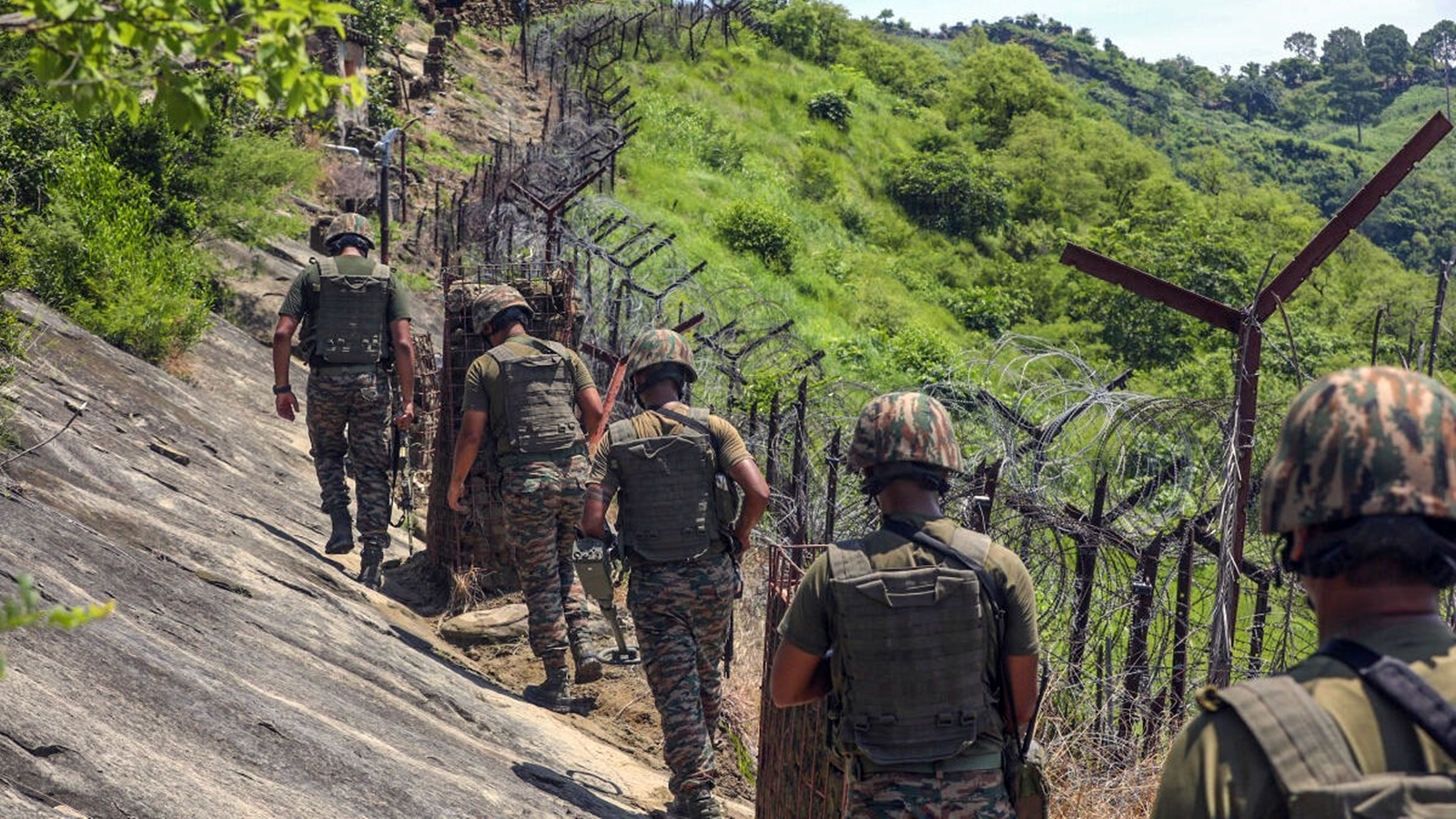
For nearly five years, Lashkar-e-Toiba (LeT) commander Mohammad Asif moved through the forests of the Pir Panjal and Kashmir Valley, part of a network behind a string of deadly attacks targeting civilians and security forces while evading capture. On Wednesday, Asif, also known as Hashim Moosa, was killed in a gunfight with security forces — the latest breakthrough in the hunt for the network, which was linked to attacks across the region, including the April 2025 Pahalgam attack that killed 26 people, including a local pony operator.
According to officials, LeT commander Mohammad Asif, whom sources describe as highly trained and battle-hardened, had been acting alone after his associate Yasir was killed in a gunfight in Ashdar Gali in the upper reaches of Dodapathri tourist resort last month. Sources say Asif – as well as his two partners Yasir and Sulaiman – infiltrated the forests of Jammu in late 2021 and have been active since, with investigators saying they were responsible for several deadly terror attacks on the Rajouri-Poonch axis.
Officials claim that it was this group that was involved in several gunfights in Bhatta Durian in Rajouri in October 2021, leading to the killings of as many as nine soldiers. It was allegedly also this group that struck an army vehicle in April 2023, killing five soldiers.
A month later, five troopers from the Indian Army’s 9 Para (Special Forces) unit were killed on May 5, 2023, in an explosion triggered by the hiding terrorists in the Kandi forest of Jammu and Kashmir’s Rajouri district.
“As soldiers fanned out across the forests of Poonch and Rajouri to look for the Lashkar module, they shifted north of Pir Panjal into Kashmir Valley,” one police officer said. “In August 2023, they targeted an army’s temporary bases at Halan in the forests of Kulgam, killing four soldiers.”
By December that year, the group had returned to Rajouri, striking an army vehicle at Dera ki Gali on the Rajouri-Poonch road that killed four soldiers and injured three.
According to officials, by July 2024, a fourth member, 24-year-old Kulgam resident Junaid Ahmad Bhat, joined the group. A college graduate from Qaimoh village of Kulgam, Junaid was reported missing from his home in July 2024, with the police finding a month later that he had joined The Resistance Front (TRF), which investigators claim is a shadow outfit of Lashkar.
Story continues below this ad
“Before Junaid joined them, they were mostly settled south of the Pir Panjal,” a police officer said. “After Junaid, they frequently moved their bases between the two regions.”
Police sources say the group then split into two — Asif partnered with Yasir while Sulaiman joined Junaid.
“Asif and Yasir stayed put in upper reaches of the Pir Panjal mountains, moving between Poonch-Rajouri and south and central Kashmir, while Sulaiman and Junaid moved to mid and low ridges as well,” the police officer said.
Gagangir, Pahalgam attacks
On October 20, 2024, two Lashkar operatives targeted the campsite of Z-Morh tunnel project at Gagangir in Sonamarg, killing seven workers — including a local doctor. As police launched an investigation into the attack, one of the attackers, captured on CCTVs, was identified as Junaid.
Story continues below this ad
Four days later, the other group struck at a high-security zone of Butapathri in Gulmarg, killing two soldiers and two porters.
“By carrying out attacks on both sides of the Pir Panjal and almost simultaneous attacks at two places far away from each other, they wanted to show that the number of terrorists operating is much higher,” another police officer said. “It was part of psychological warfare.”
In December 2024, Junaid was killed in a gunfight in Dachigam forests on the outskirts of Srinagar. While Sulaiman, who was with him, managed to escape, the killing of Junaid marked the first major success against the group.
Security officials also believe two more LeT terrorists then joined Sulaiman around this time.
Story continues below this ad
The group then retreated to South Kashmir. Then, on April 22, 2025, it struck again in one of the deadliest attacks against civilians – terrorists shot dead 25 tourists and one local pony operator in the Baisaran Valley of Pahalgam.
Four months later, Sulaiman and his group were killed in a gunfight with the army’s elite paratroopers in the upper reaches of Dachigam forests.
The hunt
After this, security forces continued to hunt down the remaining group. Over the last few months, security sources received intelligence inputs about the presence of Lashkar operatives in the upper ridges of Pir Panjal mountains connecting south and central Kashmir, leading joint teams of army, police and paramilitary forces to set up several temporary operational bases (TOBs) and comb the areas.
On September 5, those efforts led the team to track down Asif and Yasir to Ashdar Gali, a mountain pass that connects south Kashmir forests with central Kashmir.
Story continues below this ad
While Yasir was killed in the gunfight, Asif escaped. In the last week of September, security forces received reports of suspicious movement close to Yusmarg, prompting the operation that killed Asif.
“Knowing that Asif is alone, we intensified the search operations in the area,” one officer said. “Situational analysis of the incidents suggested that he may try to come down to the hinterland to recruit a few more people. Not only did the searches continue in the forests, but we also set up strict vigilance in the habitations close to the forests as well.”
KioskNews shows a cleaned-up reading view extracted from the publisher’s page — the original always lives on their site, not ours.