4 Things Once Upon A Time In The West Does Better Than Any John Wayne Or Clint Eastwood Western

Zoë Miskelly is an editor and second in command for Screen Rant's Movies team, having covered the entertainment industry for almost 10 years now. Zoë's love of superheroes and all things Marvel & DC started out in childhood, and has blossomed into a career getting to talk about some of the biggest and best movies and shows of all time, having previously focused on comics while working at WhatCulture.
Clint Eastwood and John Wayne are the indisputable kings of Westerns - but there are some things that Once Upon a Time in the West nails in a way that their respective filmographies don't, for various reasons. As one of acclaimed director Sergio Leone's most acclaimed movies, it's impossible to ignore how Once Upon a Time in the West stands out from the crowd, even when compared to some of the other best Westerns of all time.
In many ways, comparing Once Upon a Time in the West with other Westerns serves to demonstrate the ways in which the Western genre is able to vary itself, even when stories follow along the same lines. This is a strength of the genre overall, as it means, while there are some things that the film gets right in a way that even many of John Wayne and Clint Eastwood's best movies don't replicate, this doesn't in any way suggest their releases are lesser or weaker overall for it.
Instead, the strengths of Once Upon a Time in the West highlight how different narratives require different things, and how the concept of gunslingers doing what they do best in an often lawless seeming time and place can be handled in a myriad of different ways that are each to their respective story's benefit. With that said, there's a good reason that Once Upon a Time in the West is still so beloved, and that's because it has some unique narrative approaches and angles that make it decidedly distinct.
Letting All Of Its Characters Shine
While John Wayne and Clint Eastwood are masters of the world of film, their status means it's hard to watch the movies they're in without focusing on their characters disproportionately. This is doubly true given so many of the two stars' stories tend to center them as the focal figure of the narrative who everything else revolves around, meaning sometimes other characters don't get as much of a look in.
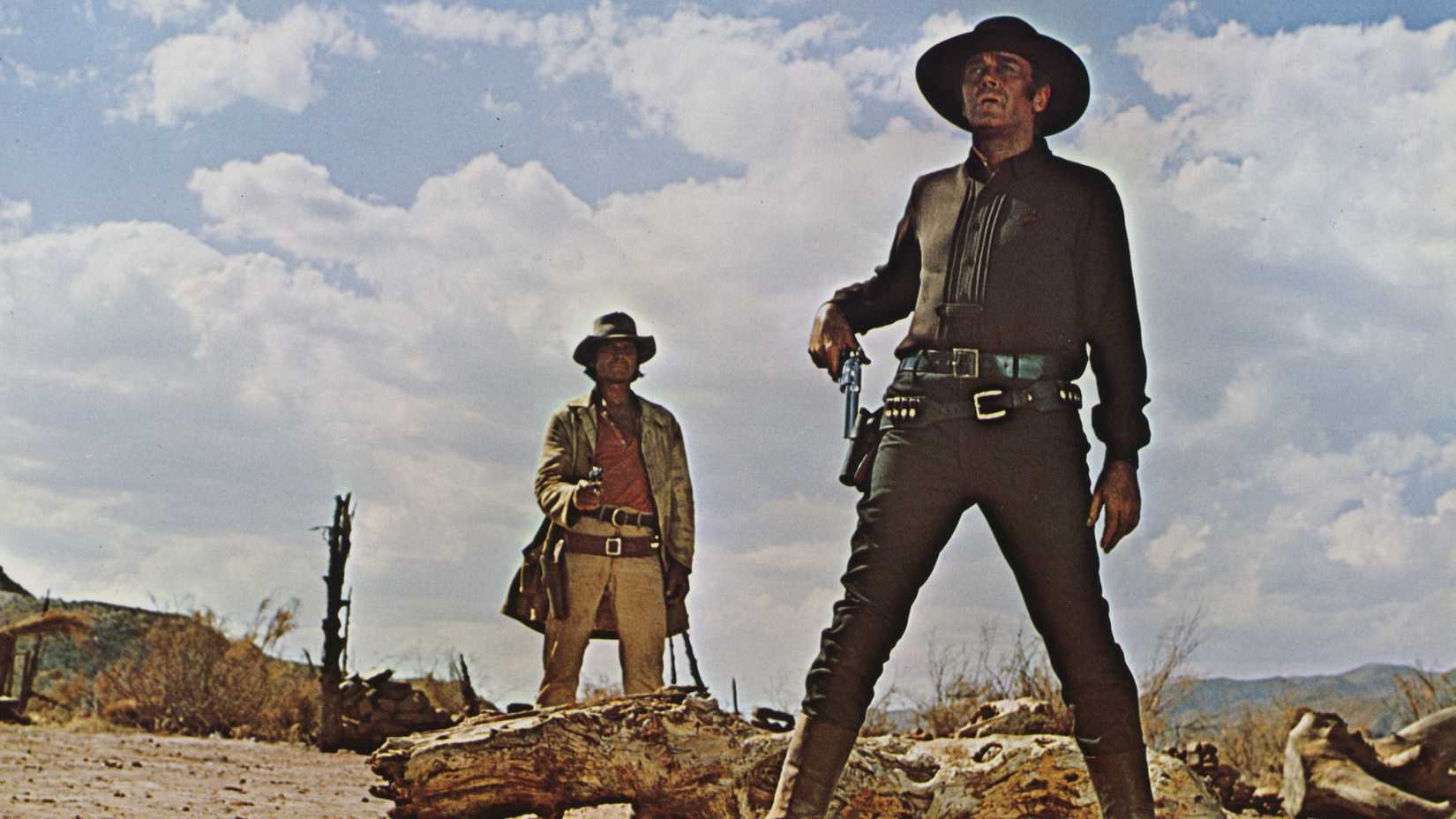
Though Once Upon a Time in the West has its clear heroes, it's able to divide its time and story in a way that allows all of its more ensemble-esque cast to shine.
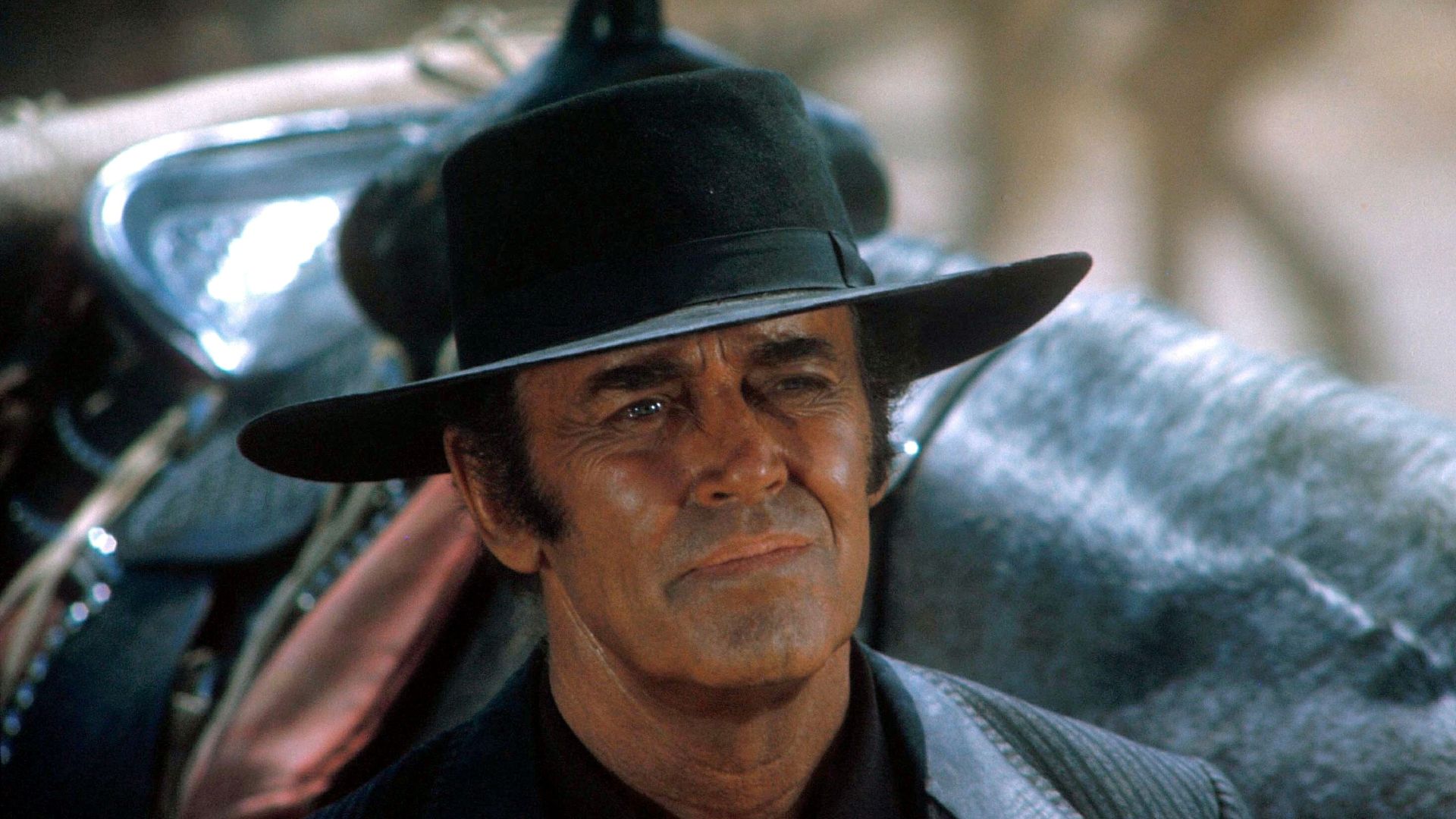
Harmonica is every bit the gruff revenge-seeking classic Western hero you might expect, and Manuel "Cheyenne" Gutiérrez is an effective more charismatic and rougueish figure compared to his counterpart. The two share out the action and gunslinging effectively, while also ensuring Jill gets her own moments center stage as an equally important protagonist. Antagonist Frank also draws in his own sense of intrigue, since actor Henry Fonda is best known as a heroic leading man on-screen, and him playing a cold villain is thus more striking.
By the end of the film, everyone's talents have been on display at some point in the story, even if Henry Fonda and Charles Bronson do naturally draw a little extra focus at many points due to their acting and the engaging characters they play in the narrative itself, who are shown to have a mysterious history from basically the first moments onward.
Giving Its Nameless Character A Justification For Their Nickname Replacement
The Man With No Name is one of Clint Eastwood's most famous figures - appearing throughout his filmography - with this name denoting a character who often goes by a nickname rather than their actual name to represent that they've left their past life behind, and who has a gruff nature and usually speaks very little.
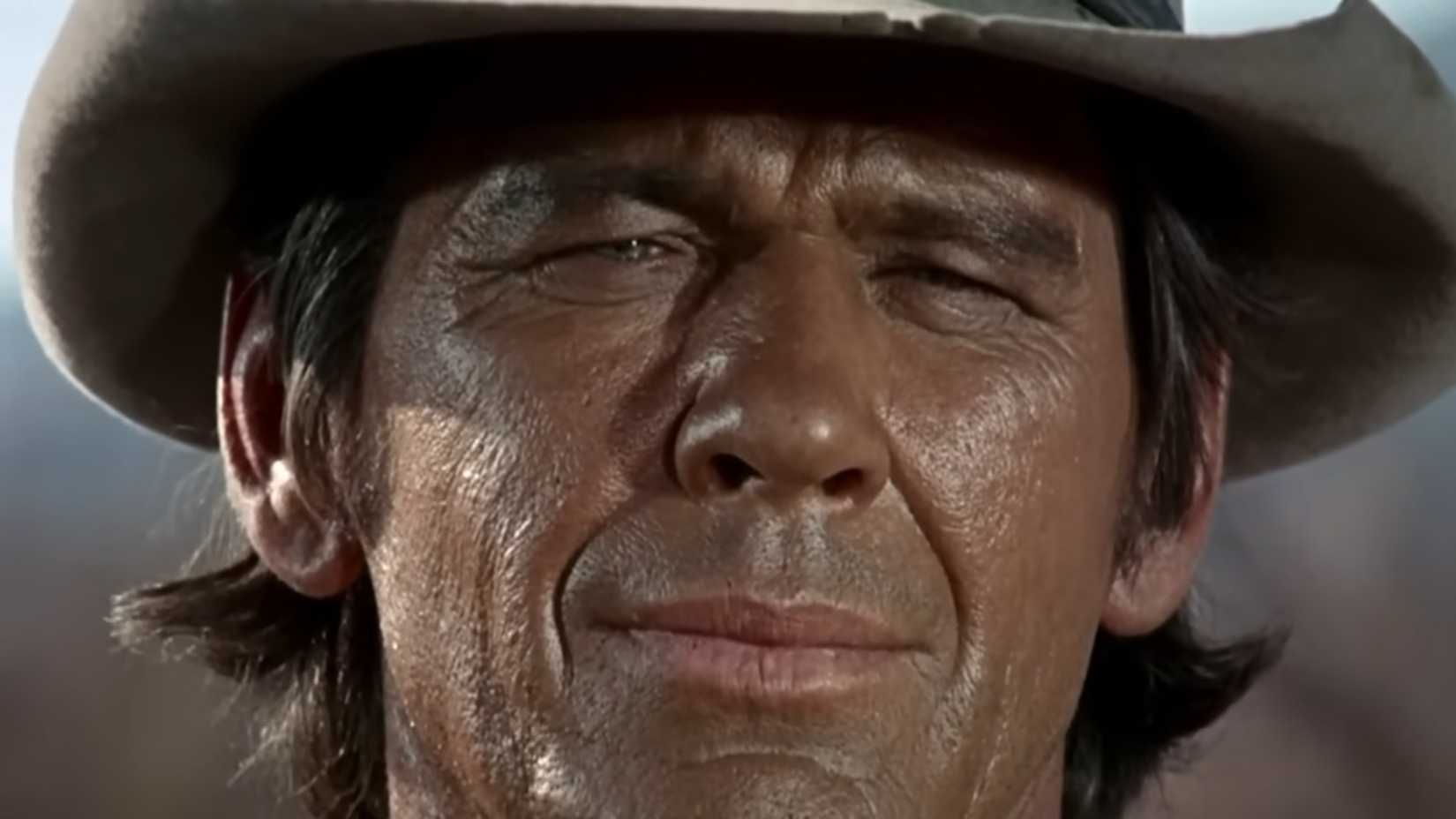
Once upon a Time in the West replicates this with Harmonica, who earns this nickname via the musical instrument he carries with him. Whereas most of the nicknames Eastwood's characters carry are more straight-forward - like "Blondie" - Haromica's initially simple gimmick and script nickname gives way to a tragic reveal, as it becomes clear the character picked up playing the harmonica after Frank forced him to play it while a young Harmonica tried to hold up his brother's body to prevent him from being hung by Frank's gang.
As such, the name and instrument the character carries with him feel all the more significant by the end of the movie, which makes these little details - and the character following The Man With No Name kind of archetype - even more interesting, as this is all shown to be the last lingering specters of the trauma and events that still define the protagonist.
Exploring The End Of The West (Without Focusing Too Much On It)
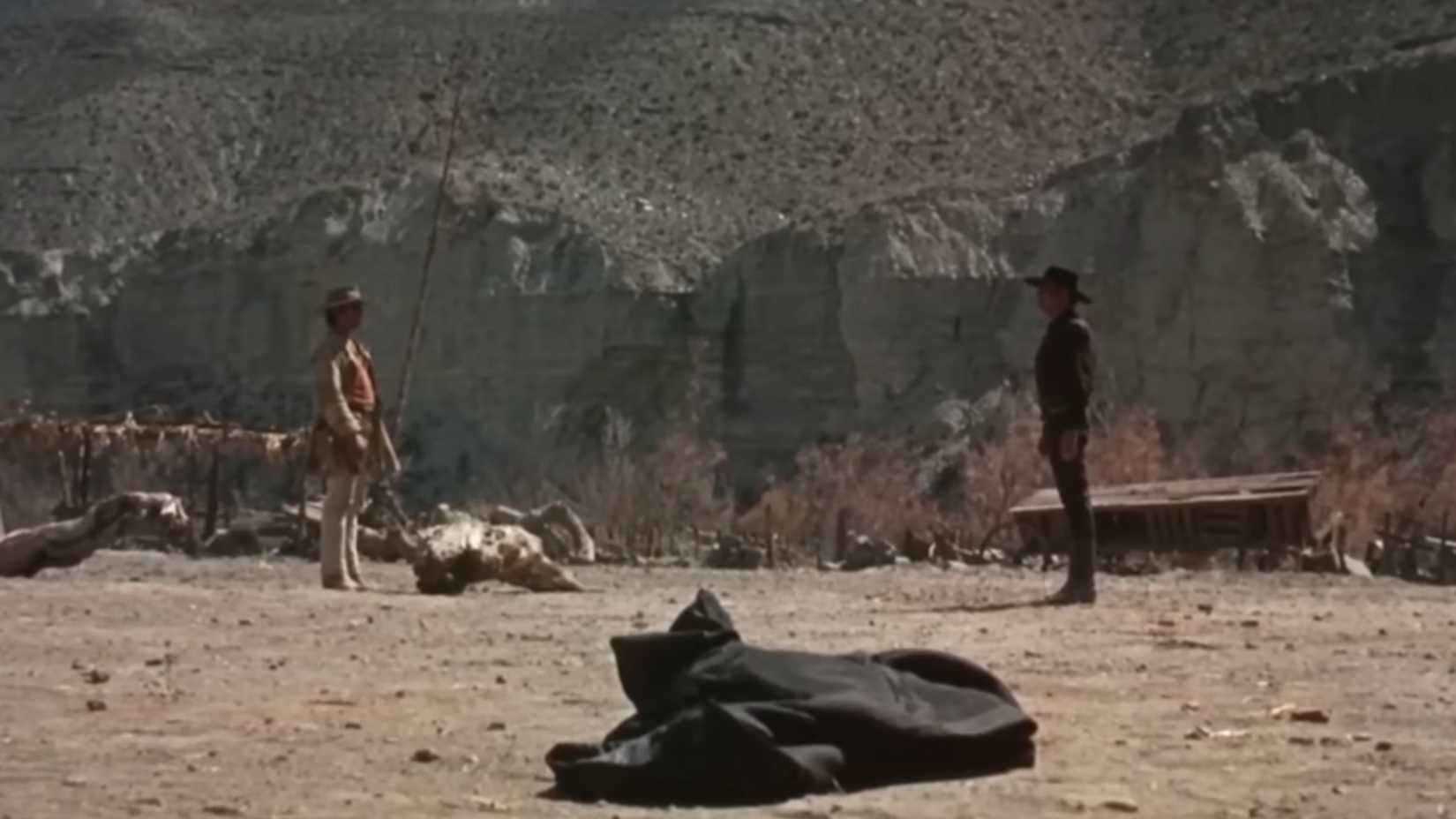
Once upon a Time in the West is a movie that's very much focused on the end of the Wild West as we knew it, and what that meant for the lives of the people who experienced this real-world transition, as well as how this could translate to the Western genre, especially with director Sergio Leone himself reportedly looking at finishing his expansive time with the genre at this point.
The result of this is a movie that's understated in the way it covers the matter, but still very clear in how it delves into the topic. This goes along parallel lines to some stellar later installments of Clint Eastwood and John Wayne, but in a way that feels very different, both in terms of Once Upon a Time in the West's approach and the casual but intentional way it blends its symbolism together with the main story itself.
The rise of trains and technology and the last prospect for Sweetwater being as a stop on their travels through what would have once been prime real estate for cowboys makes the overarching subject matter of Once Upon a Time in the West revolve around the last days of an era of sorts. Even for those who miss this side of things, the film's finale - wherein Harmonica takes the body of his friend on horseback into the wilderness away from the progress of the railway going on behind them - does have a pretty clear kind of refined symbolism.
Having A Truly Brutal Opening
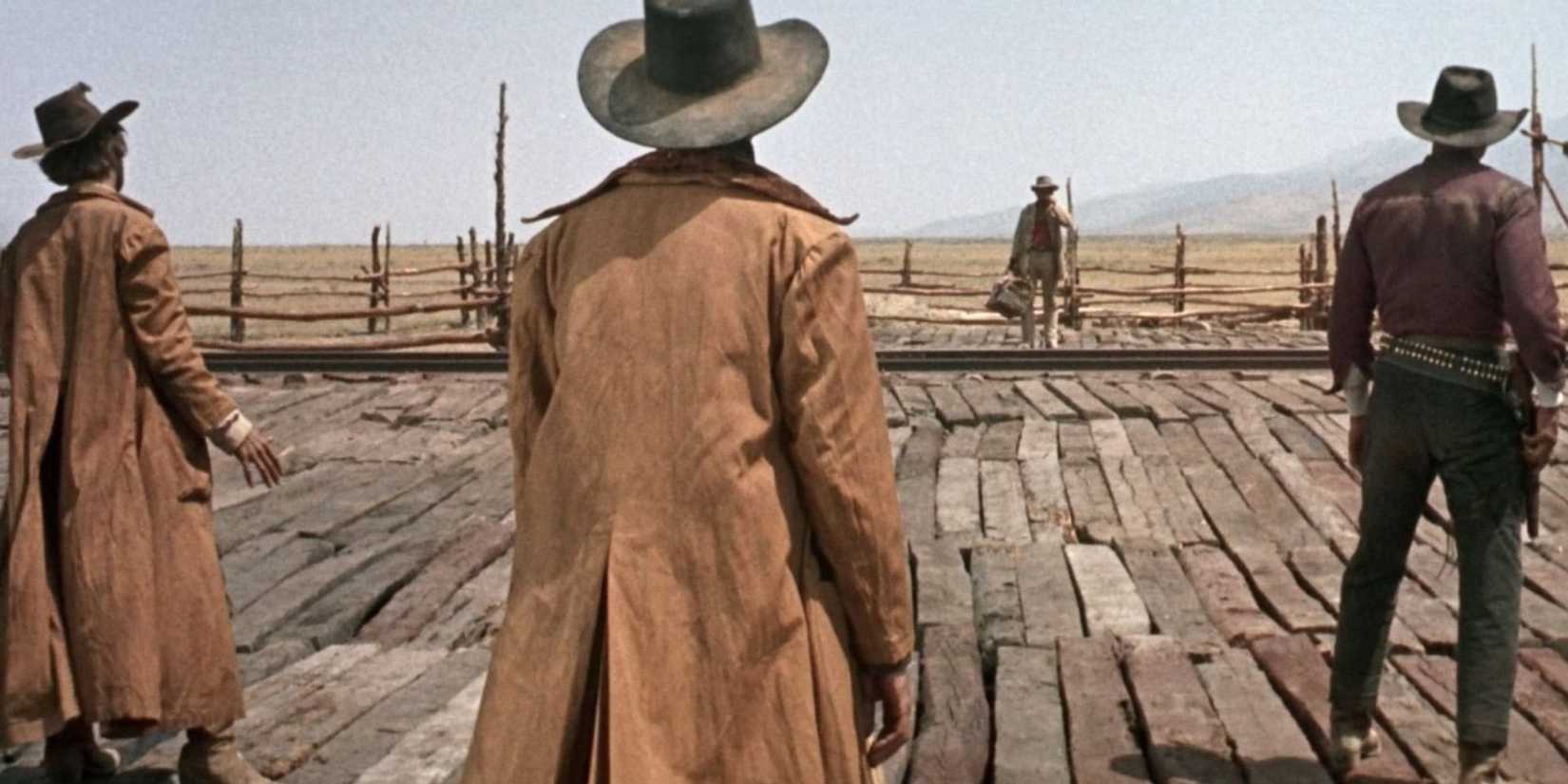
One of the biggest strengths of Once Upon a Time in the West is that it's able to almost immediately pull the rug from under you in a way that underlines how the movie won't hold back in its depiction of the time period and setting, even when it comes to things that the rest of the Western genre would often shy away from even in its more violent outings.
Our initial introduction to the Old West town of Flagstaff initially brings us an intense shootout between Harmonica and three of Frank's outlaws, setting the tone for the movie in question. However, it's the next part of this introduction that packs the most punch.
When we meet rancher Brett McBain and his children, the characters are fleshed out in a way that makes it appear as though we're set to watch them throughout their struggles on-screen for the rest of the movie, as we often would in many similar Western stories. Instead, Brett and his two young children are gunned down, setting the stage for his new wife Jill to take over his land, kicking off the story.
It's a brutal scene, and one that does a strikingly good job at showing how ruthless life in the Old West could be. Moreover, the fact that Once Upon a Time In the West isn't afraid to kill off its younger characters - and in doing so make us hate Frank and his gang - is effective partially because many Clint Eastwood and John Wayne classics would have never done so, allowing these classics to make the moment more impactful.
KioskNews shows a cleaned-up reading view extracted from the publisher’s page — the original always lives on their site, not ours.