Modi gave more people energy access than anyone in history: Australian PM
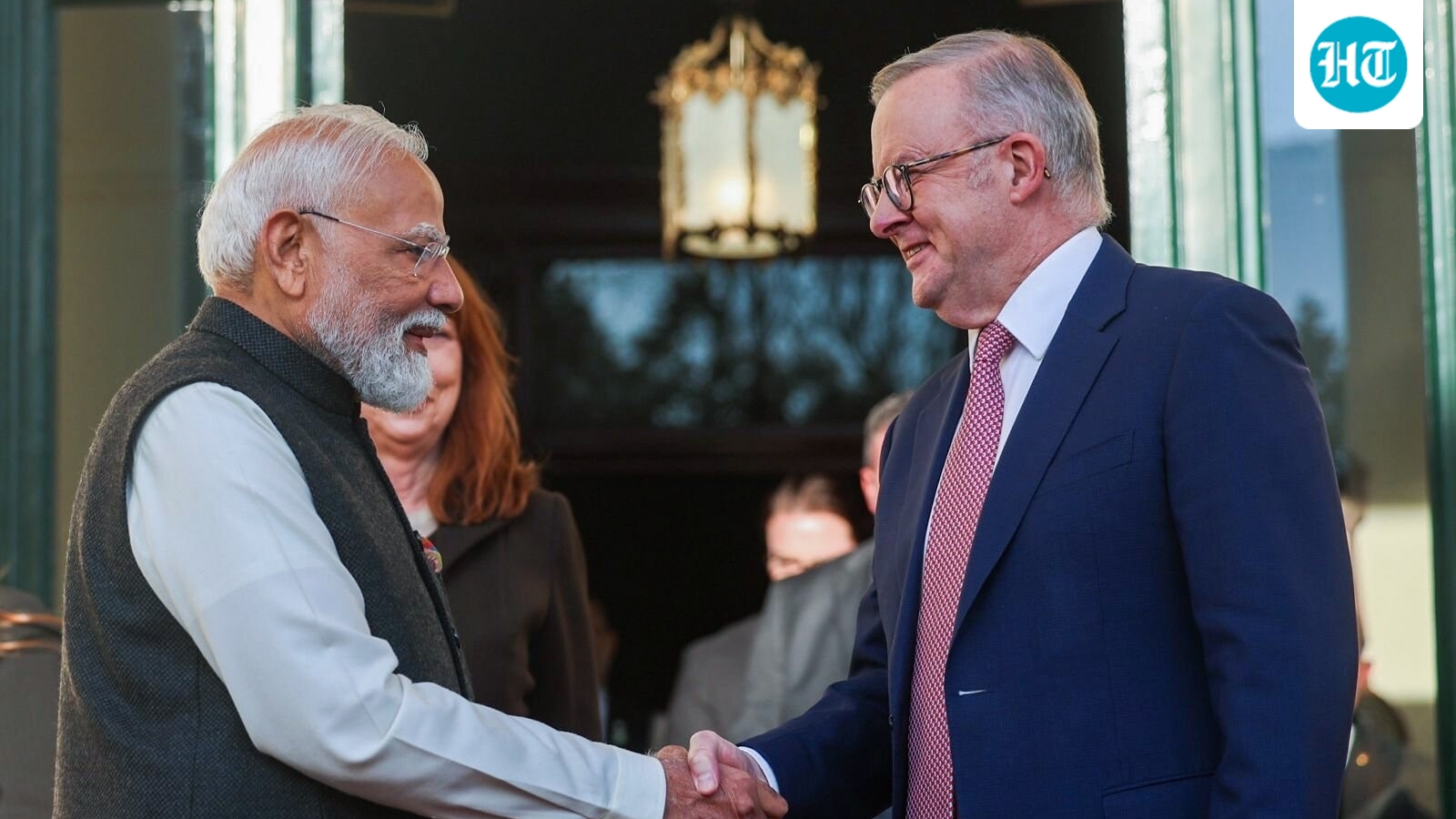
Albanese also highlighted the strengthening relationship between India and Australia, saying Modi was someone with whom Australia had developed close ties.

 Prefer HTon Google

Australian Prime Minister Anthony Albanese has credited Prime Minister Narendra Modi with expanding access to energy in India, saying the country has seen greater energy access under his leadership than in any decade, region or country in human history.
“To give PM Modi credit, more people have been given access to energy in India under his reign that any decade, or any region or any country in all of human history,” Albanese said at an Asia Society Policy Institute event.
Albanese also highlighted the strengthening relationship between India and Australia, saying Modi was someone with whom Australia had developed close ties. “He is someone who we have a strong relationship with,” he said.
The remarks came as global energy security is under immense strain as shipping through the Strait of Hormuz has been disrupted since the beginning of the war involving the US, Israel and Iran. While countries such as Pakistan and Bangladesh have struggled with energy shortages, India has largely maintained stable supplies, with only a limited increase in fuel prices.
Earlier this year, PM Modi attributed India’s relative energy stability to its increasingly diversified import sources, saying the country now procures crude oil, LPG and PNG from 41 countries.
India expands energy import sources
Addressing the Lok Sabha during the budget session in May, PM Modi said India had previously imported energy from 27 countries, but had since expanded the number to 41.
“Previously, India used to import energy from 27 countries, now the figure has risen to 41. Continuous efforts are on to ensure petrol, diesel supply is smooth across India.”
His remarks came after the government reviewed the impact of the West Asia conflict on the economy, supply chains and essential commodities, and discussed measures to minimise disruptions for citizens and businesses.
In April, ministry of external affairs spokesperson Randhir Jaiswal also said India was continuing to source oil from a diversified set of countries, keeping its energy security needs and global market conditions in mind.
“We continue to buy oil from diversified sources, keeping in mind the energy security needs of 1.4 billion people, the current situation in the international market, and the global situation we have to deal with,” Jaiswal said during an inter-ministerial briefing on developments in West Asia.

Follow the latest breaking news, major developments and agenda-setting stories from India and around the world with the newsdesk at Hindustan Times. Operating round the clock, the desk brings together experienced editors, reporters and correspondents to deliver fast, accurate and contextual reporting across subjects that influence public policy, governance, business, society and international affairs. The HT News Desk covers politics, elections, government policies, the economy, business and markets, science and technology, the environment, law and order, infrastructure, education, climate issues and geopolitics, while closely tracking developments across states, institutions and global capitals. The team also leads coverage of major breaking news events, policy announcements, court proceedings, natural disasters, public emergencies and significant international developments. Reports published by the newsdesk are based on information gathered from reporters on the ground, official statements, government agencies, court records, regulatory filings, recognised institutions and other authoritative sources. Stories undergo editorial scrutiny and verification processes to ensure accuracy, fairness and relevance, and are updated as events evolve and additional information becomes available. Whether covering a key political decision in New Delhi, an economic policy shift affecting millions, a landmark court ruling or a major global event, the HT News Desk aims to provide readers with reliable, fact-based journalism that delivers not only the latest developments but also the context and analysis needed to understand their wider implications.Read More

KioskNews shows a cleaned-up reading view extracted from the publisher’s page — the original always lives on their site, not ours.