10 Great '90s Miniseries That Nobody Remembers

Zach Moser has been writing for ScreenRant since 2022, covering movies, classic TV, and streaming TV. His areas of expertise cover a wide range of genres with a particular interest in horror and drama, and the conversations around the TV and film industry. When he's not covering the latest film releases or chronicling the latest season of a new show, he's writing humor pieces for McSweeney's Internet Tendency, Slackjaw, and Points In Case or working on short stories and his second novel.
The '90s had some fantastic miniseries, but too many of them have become forgotten in the years since. The 1990s brought grunge, Beanie Babies, MTV, and many miniseries on network television and premium channels. While it was not quite as popular a TV format as it is now, miniseries were still a major part of TV lineups.
These days, shows like Band of Brothers, Mare of Easttown, and The Queen's Gambit are miniseries as well as culturally relevant shows. The 1990s has many miniseries that are just as good, or even better than the best miniseries of today, but they've been forgotten about for too long now.
Clarissa (1991)

Clarissa is a British miniseries based on Samuel Richardson's 1748 novel of the same name. In the story, Clarissa (Saskia Wickham) is a virtuous young woman who recently inherited her grandfather's fortune but gives it to her money-grubbing family, who also insist on controlling her life.
At the same time, a suitor named Robert Lovelace (Sean Bean) becomes infatuated with Clarissa and pursues her to no end. If all of that sounds like the beginning of a romantic comedy, be warned: Clarissa is a grim, aggressive period piece that examines the worst of people and denies even the virtuous ones the respect we hope for them.
Alex Haley's Queen (1993)

Often just referred to as Queen, Alex Haley's Queen is a three-episode CBS series based on Queen: The Story of an American Family, authored by Alex Haley and David Stevens. The story centers on Queen Jackson Haley (Halle Berry), Haley's actual grandmother, though fictionalized for the story.
Queen is the daughter of a wealthy plantation owner and his slave, and the show tracks her life, from conception in 1840 to her elderly years, where she recounts her story to Alex (Alec in the show). The light-skinned Queen struggles to fit in with either of her cultures, and Queen is a compelling look at a dark period of American history through a unique and thoughtful lens.
Tales Of The City (1993)

The 1993 miniseries, Tales of the City, is based on the first book in Armistead Maupin's Tales of the City novel series. The show begins in the summer of 1976 in San Francisco and follows Mary Ann Singleton (Laura Linney) through the following year, ending on New Year's Day in 1977.
The series has a refreshingly frank and humane attitude toward LGBTQ+ characters compared to other shows of the time. It's a period piece, but it's also a beautiful romantic drama filled with humor and brilliant dialogue. Three more of Maupin's books were adapted with mostly the same cast, but each is considered its own miniseries.
Wild Palms (1993)
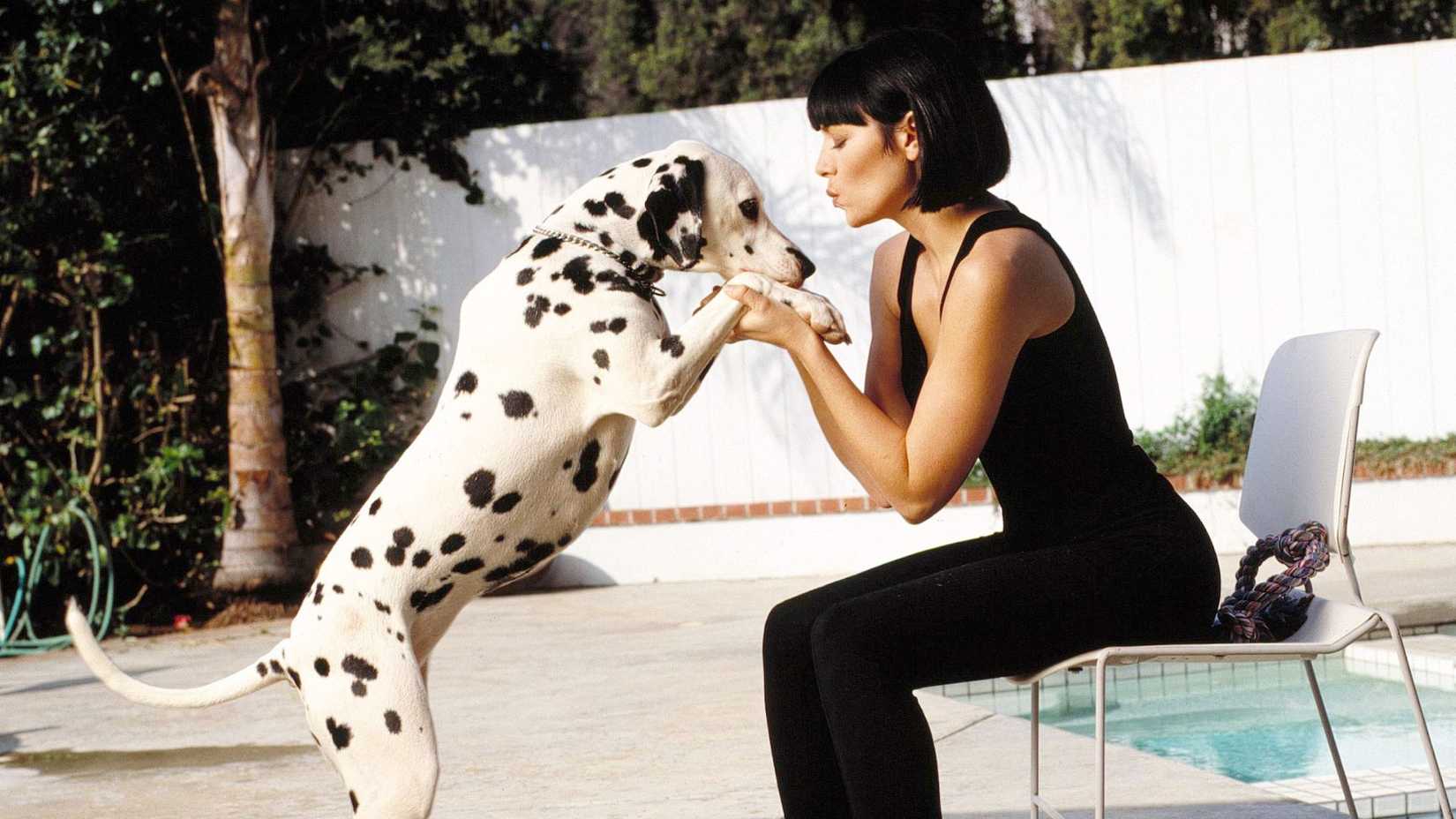
Wild Palms is a five-episode sci-fi miniseries that aired on ABC. The series is set in the then-future of 2007 in the United States, where a right-wing, fascist government rules over the population. Their latest plot is to combine virtual reality and mass media to lord over the people even more so than they already do.
The series is strikingly prescient over 30 years after it began, and the complicated politics at play mirror the current U.S. landscape. The science fiction elements come more to the fore as the show goes on. Wild Palms strays into the fantastical and the dream-like as it tells its story, creating a dazzling, complex tapestry.
Gulliver's Travels (1996)

Jim Henson Productions and Hallmark Entertainment teamed up to produce Gulliver's Travels, a miniseries based on Jonathan Swift's 1726 satirical adventure novel. The two episodes of the show cover all four voyages of the book, which are not often seen, as most adaptations focus solely on the voyage that leads to the island of tiny people.
Ted Danson stars as Gulliver, and the show remains faithful to the book, though it swaps the ending for a more upbeat finale. It's a big production, with comedy swings and misses, brilliant special effects work, and a clear love for the material. It may be the most accurate adaptation of Swift's novel ever.
From Earth To The Moon (1998)

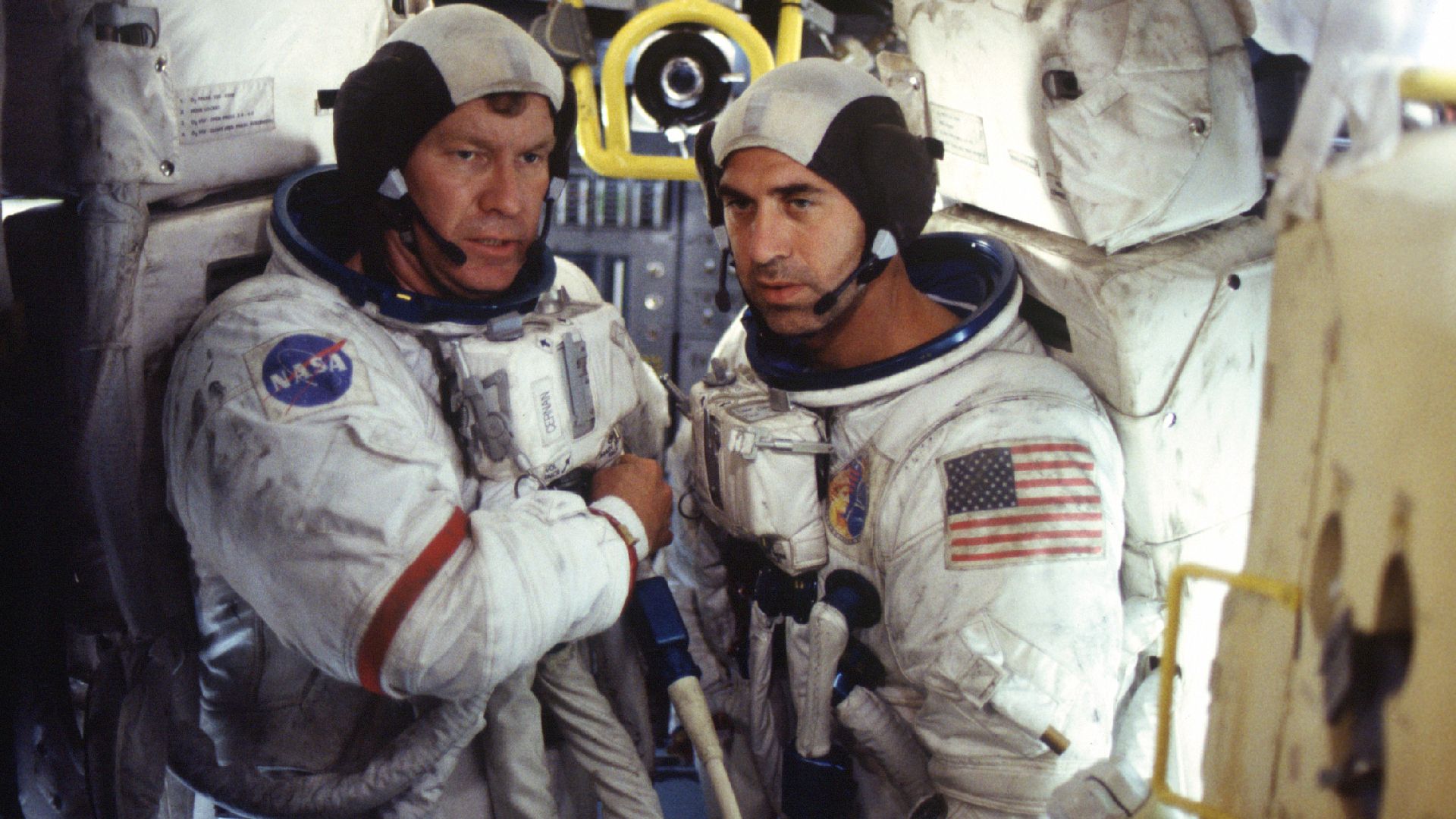
Tom Hanks and Ron Howard's docudrama, From Earth to the Moon, is a 12-episode retelling of the Apollo space program from the 1960s to the early 1970s. The series adheres strictly to the real events, and Howard's talent for special effects is put to mesmerizing use for the many incredible shots in the show.
Hanks appears at the start of nearly every episode to introduce the story, and then the episode moves into a semi-fictionalized tale. From Earth to the Moon is a triumph of technology and filmcraft. The massive ensemble feels like they're real people, and Hanks and Howard's dedication to the facts makes the show thrilling rather than dull.
The Temptations (1998)

The Temptations is a two-episode miniseries based on the band of the same name that aired on NBC and is based on Otis Williams' autobiographical book about the legendary Motown act. The series explores the band as well as the history of Motown, with some significant liberties taken with the story.
As one of the longest-performing bands ever, the members of The Temptations had relatively drama-free lives compared to their short-lived contemporaries. Still, there are plenty of difficult moments that each member of the band must face, and William's insider view charts them all.
Joan Of Arc (1999)

The 1999 Canadian miniseries, Joan of Arc, is a two-episode epic that charts the life of the titular Roman Catholic saint and beloved patron of France. Leelee Sobieski stars as Joan, who, upon hearing the voice of God, sets out to protect her homeland against the English in the Hundred Years' War, which ultimately results in her death.
It's a very human portrayal of Joan, who often in fiction is either shown as hallucinatory or as overly heroic. Sobieski plays her as a normal, young girl, called to action, whose own sense of duty brings her closer to saving France, but at the same time, pushes her closer to her doom.
Wives And Daughters (1999)

Wives and Daughters is a four-episode BBC serial based on Elizabeth Gaskell's 1864 novel Wives and Daughters: An Everyday Story. The series follows Molly Gibson (Justine Waddell), the daughter of the town doctor who remarries after his wife passes away.
Molly's new stepmother, Mrs. Kirkpatrick (Francesca Annis), is a social climber who attempts to share her love of all things proper with her new family. It's a pleasant, character-driven miniseries that gets the pitch-perfect read on every interaction, and the production and costuming are as good as you'll find in a BBC period drama.
Merlin (1998)
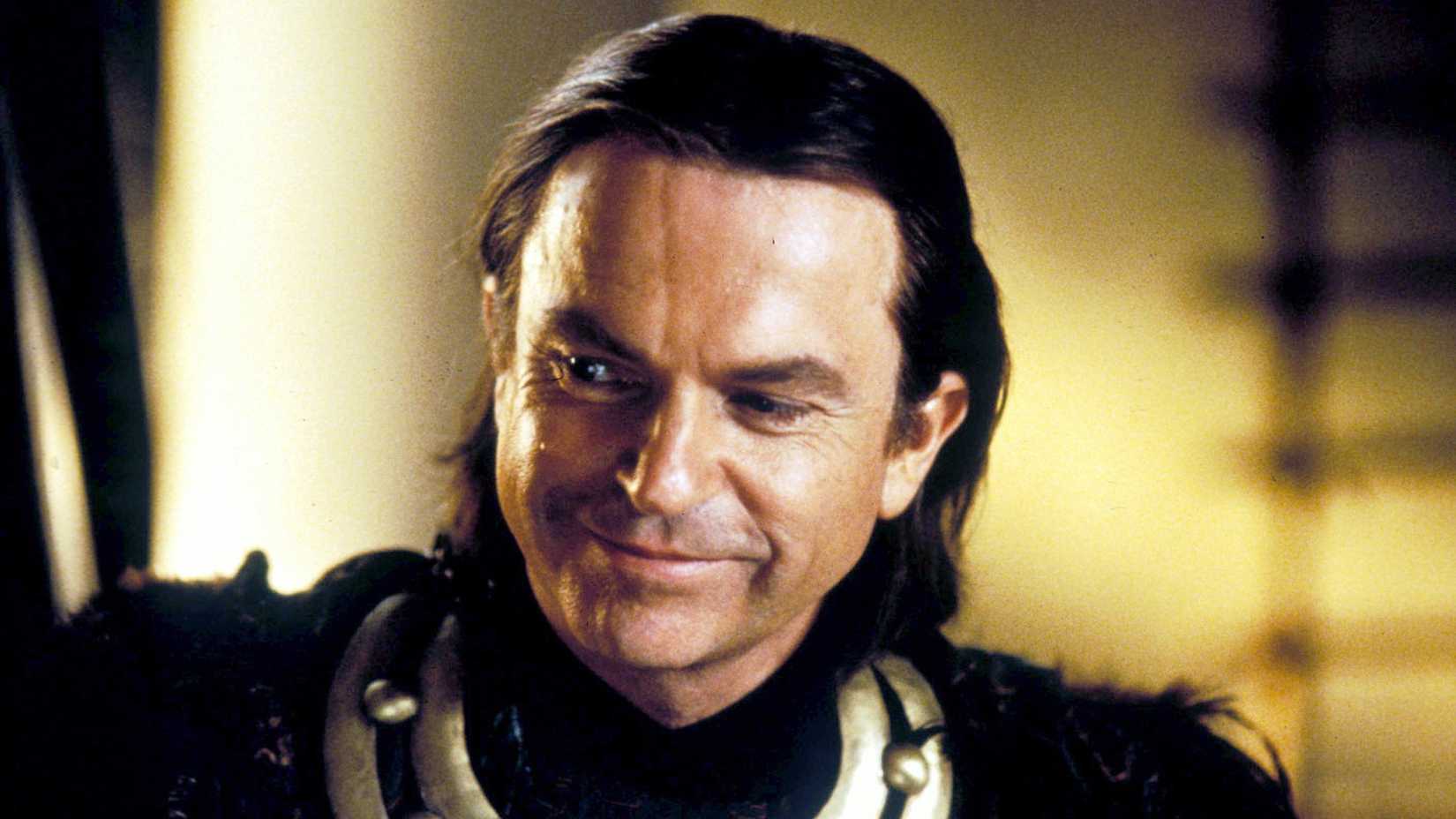
The 1998 Merlin miniseries often gets forgotten about in place of the five-season BBC series from 2008. The miniseries is a Hallmark show with two episodes that recounts the mythical life of the wizard Merlin, played by Sam Neill. The series expands the story of Merlin, tweaking the Legend of King Arthur as needed.
It's a magical fantasy '90s miniseries, and one of the best in the genre. Neill's performance is powerful and riveting, and the blend of new details and old Arthurian legends makes for a potent tale. Merlin can be cheesy, but in an endearing way that is so emblematic of the decade.
KioskNews shows a cleaned-up reading view extracted from the publisher’s page — the original always lives on their site, not ours.