Revealed: The plan to strip 5000 e-bikes from Sydney’s streets
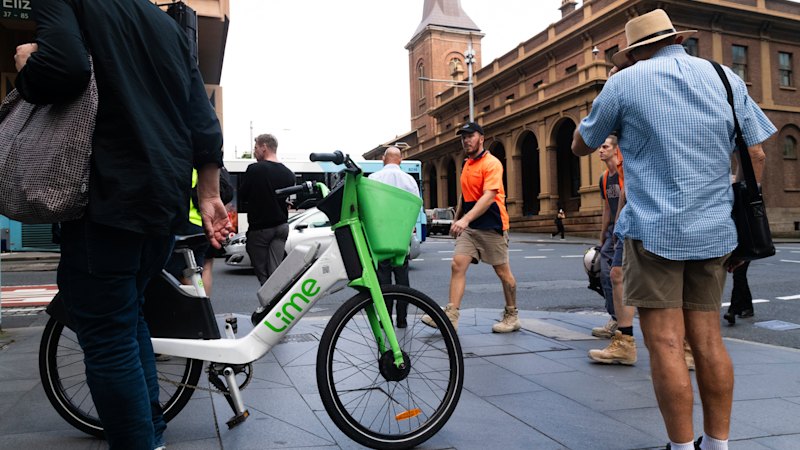
More than 5000 shared e-bikes would be removed from inner-city streets under a City of Sydney plan to rein in an oversupply of the vehicles blamed for clogging footpaths and causing headaches for pedestrians.
The council has released plans to impose a blanket cap of 7000 shared bikes across its local government area, down from the roughly 12,000 currently operating, and a limit of just two operators. Three companies – HelloRide, Lime and Ario – now service the area.
The proposed restrictions would mark a significant shake-up of Sydney’s booming shared-bike market, with the council seeking to strike a balance between maintaining a popular transport option and restoring footpath space for pedestrians.
Last month alone, almost 700,000 shared-bike trips were taken across the council area, with riders clocking up more than 1.5 million kilometres in travel.
Lord Mayor Clover Moore said shared bikes were important but a reduction was necessary.
“Share bikes are an important part of Sydney’s transport network, but it’s clear fleet-sizes are well in excess of Sydney’s requirements, leaving many bikes unused and contributing to clutter,” she said.
“The rapid growth of share bike schemes has also created ongoing challenges for many pedestrians when bikes are parked inappropriately.”
The council expects many of the bikes removed to be older, damaged or vandalised models.
The proposed limits come after the NSW government passed laws to regulate shared micromobility schemes, giving councils powers they have long sought to control operators and fleet sizes.
Under the new arrangements, which take full effect in March next year, operators must obtain approval from Transport for NSW and councils before deploying bikes.
Councils will also be able to establish designated parking areas and introduce no-go and speed-restricted zones. Previously, operators could deploy bikes without formal approval from local authorities.
Moore commended the new framework but warned it did not go far enough, particularly when it came to enforcement and councils’ ability to make decisions about how schemes operated locally.
“The regulations are a step forward, and we will continue to push for them to be even better,” she said.
“It’s also critical that decisions by council about share bikes in their area are not overridden by Transport for NSW.”
Under the new laws, shared bike operators must submit proposals detailing how many bikes they want to deploy and where. Transport for NSW will then determine fleet allocations, taking council feedback into account.
Operators exceeding their authorised fleet limits after March face maximum penalties of $55,000.
Moore said the council did not want to see the shared-bike scheme fail, but argued the current number of bikes was unsustainable.
“We all know we can’t park the issue any longer,” she said.
The City of Sydney’s proposed cap and two-operator limit are expected to be endorsed by councillors in December.
Start the day with a summary of the day’s most important and interesting stories, analysis and insights. Sign up for our Morning Edition newsletter.
KioskNews shows a cleaned-up reading view extracted from the publisher’s page — the original always lives on their site, not ours.