China outlines plans for moonshot it hopes to land by 2030
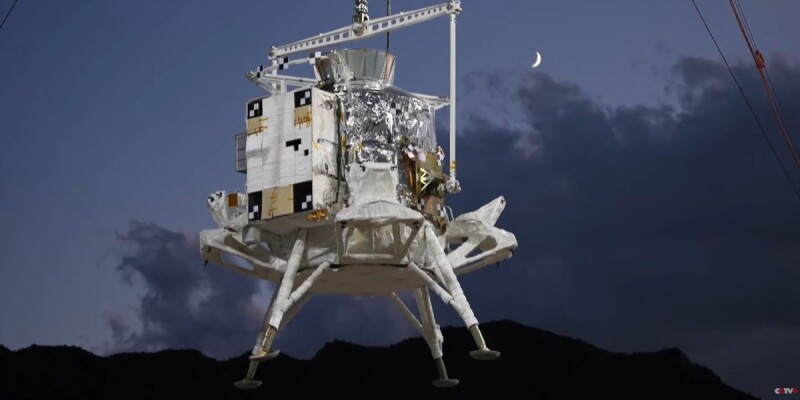
We have go for launch, and the ethernet and Wi-Fi standards that will make it happen
China’s crewed space program has outlined plans for a moon landing it hopes to achieve by the year 2030.
Deputy chief designer Wang Xiang explained the plans last weekend at an event called the Seventh Manned Space Symposium. Chinese state media has posted video of Wang discussing plans to reach Luna by launching two Long March 10 rockets.
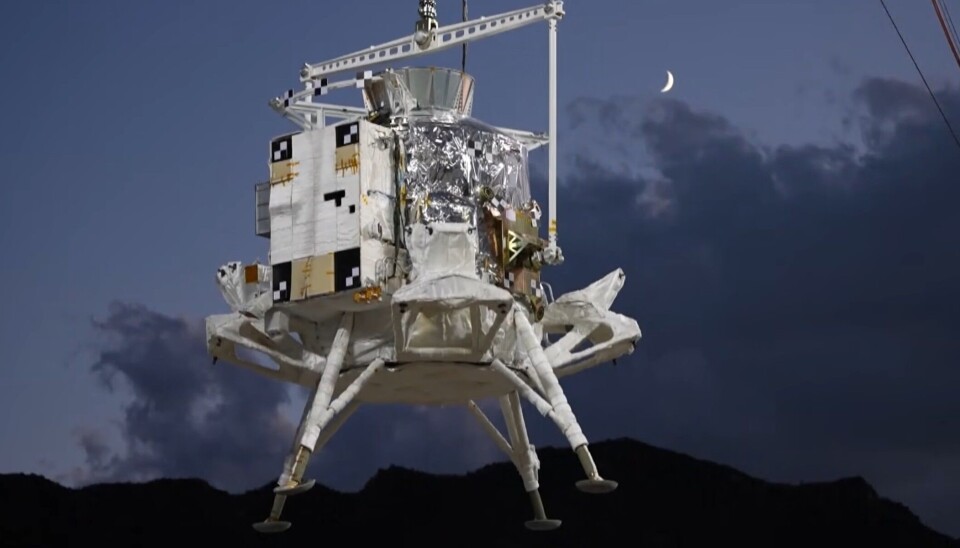
One will carry a lander named “Lanyue” and the other will hoist a crew capsule called “Mengzhou.” The two craft will meet in orbit around the Moon, where two of the three Taikonauts aboard Mengzhou will transfer to Lanyue and descend to set boot on regolith.
REG AD
In the video, Wang said China plans near-Earth orbit test missions for both vehicles in coming years, followed by an uncrewed visit to the Moon. If all goes well, China hopes to attempt a crewed landing by 2030.
REG AD
The Seventh Manned Space Symposium marked the 70th anniversary of the founding of China's space program and was also pitched as a moment for articulation of the nation’s ambitions in space under its 15th five-year-plan, Beijing’s blueprint for the years 2026 to 2030.
China called off its last moonshot in August, when authorities decided the Chang’e 7 robotic ice hunting mission “failed to meet launch criteria” just one day before its planned launch. The orbit required to reach the South Lunar Pole for that mission isn’t always easily accessible, so China plans to try again next year.
When China tries to get Chang’e 7, Lanyue, and Mengzhou flying, it will at least have some new standards to apply to their operations after the China Manned Space Engineering Office last week published seventeen of them. One of the standards defines the architecture for Ethernet and Wi-Fi networks on China’s space station and other orbiters. Another governs signage used in orbit, in the hope that a standard means Taikonauts won’t make mistakes. A couple outline procedures for extravehicular activities, and use of a robotic arm to assist Taikonauts on such missions. Others explain the materials designers can choose from when building spacecraft. ®
KioskNews shows a cleaned-up reading view extracted from the publisher’s page — the original always lives on their site, not ours.