Ketamine deaths reach record high as cases double in a year
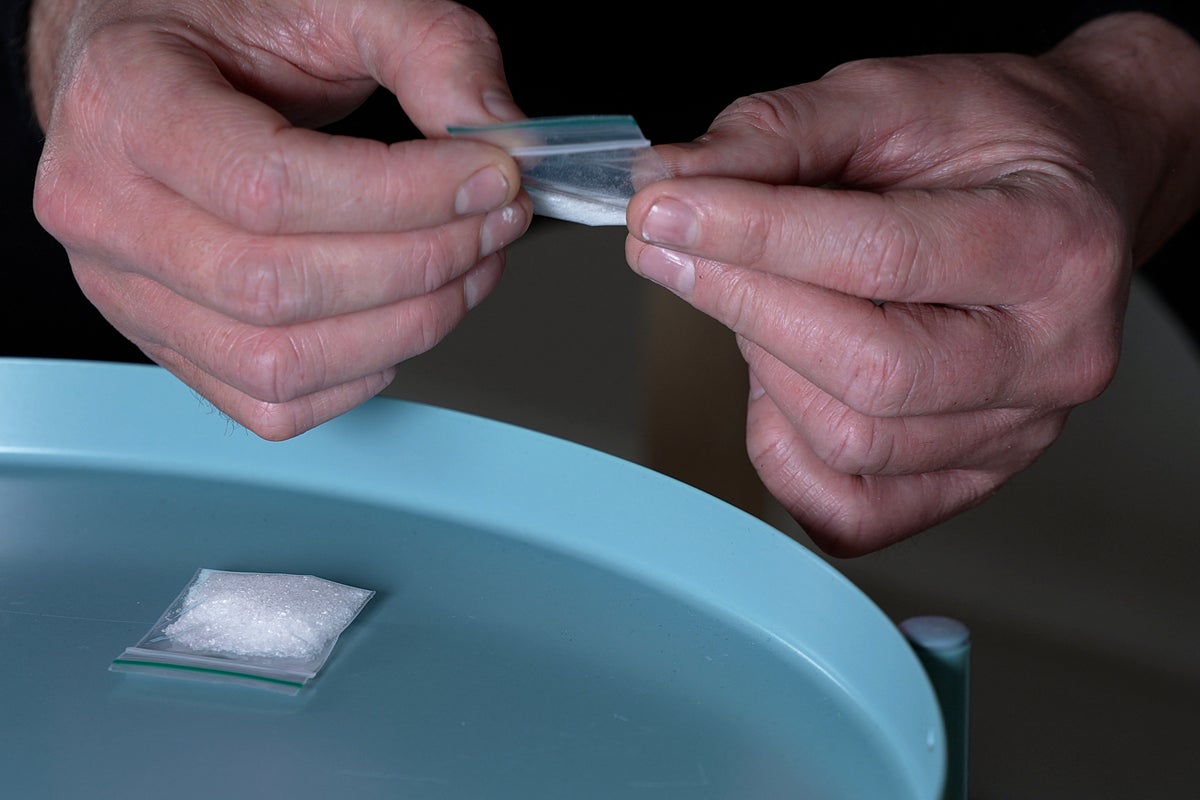
Ketamine drug-related deaths are at record levels after fatalities linked to the substance almost doubled in a year.
There has been a 16-fold increase in ketamine drug-related deaths registered in England and Wales over the past decade, according to new data published by the Office for National Statistics (ONS).
Latest data shows ketamine was mentioned in 115 deaths in 2025, compared with 27 in 2020, and seven in 2015. There were 60 recorded deaths in 2024.
Ketamine, a powerful horse tranquiliser and anaesthetic, is far cheaper than cocaine and MDMA (ecstasy) and is becoming an increasingly normalised party drug among young people and teenagers.
But regular use can lead to severe and permanent health problems, including irreversible damage to the bladder and urinary tract. In the most serious cases, ketamine misuse can be fatal.
“Ketamine is one of the cheapest substances to purchase, and it's considered normal within many social settings as well,” Lynne Weston, a clinical services manager at Turning Point, toldThe Independent. “We are seeing increased numbers of ketamine and the younger generation don't tend to drink alcohol as much,” she added.
Ketamine addiction treatment admissions in England have increased more than eight-fold over the past decade, she explained.
“In the short term, ketamine use can lead to dissociative behaviour and severe cardiovascular toxicity. You can have effects like hallucinations, nausea, agitation, and an increased heart rate,” Ms Weston said.
But long-term use can cause significant bladder damage, which can lead to chronic pain. In some cases this sparks a “vicious cycle” where people take more ketamine to manage pain.
The drug can also cause liver damage, severe weight loss leading to malnutrition and potential organ failure.
The killer drug was made a class B drug in the UK in 2014 and is illegal to buy or sell. But there have been calls to make ketamine a class A drug, over concerns it is perceived as less harmful because of its classification.
However, many experts do not believe re-classifying the drug would be productive.
“Criminalisation doesn't stop people using substances and we wouldn't support a reclassification. We find people are more reluctant to seek help or advice because they're worried that they're going to get into trouble with the police, and that makes them more vulnerable to drug related harm,” Ms Weston added.
Dr James Morgan, a lecturer in addiction and mental health at London Metropolitan University, said: “Deaths relating to ketamine have continued to increase, relating to lower prices, higher use and greater normalisation. Reports of young people experiencing dependency to ketamine and often acute health difficulties such as bladder damage are growing.
“While this relates to a growing harm, I would not support upgrading to class A since there has never been evidence that higher classifications reduce use. Especially when ketamine dealers often already sell class A drugs such as cocaine and MDMA,” he added.
The latest ONS data also revealed there were 5,519 deaths related to drug poisoning registered in 2025 down from 5,565 a year earlier.
For the first time since these records began in 1993, cocaine overtook heroin or morphine as the most frequently mentioned specific substance in drug-poisoning deaths, the ONS said.
There were 1,233 deaths involving cocaine registered in England and Wales in 2025, equivalent to 20.7 deaths per million people.
KioskNews shows a cleaned-up reading view extracted from the publisher’s page — the original always lives on their site, not ours.