From Pakistan’s corridors of power to a Rajasthan panchayat: The Sodhas’ journey home
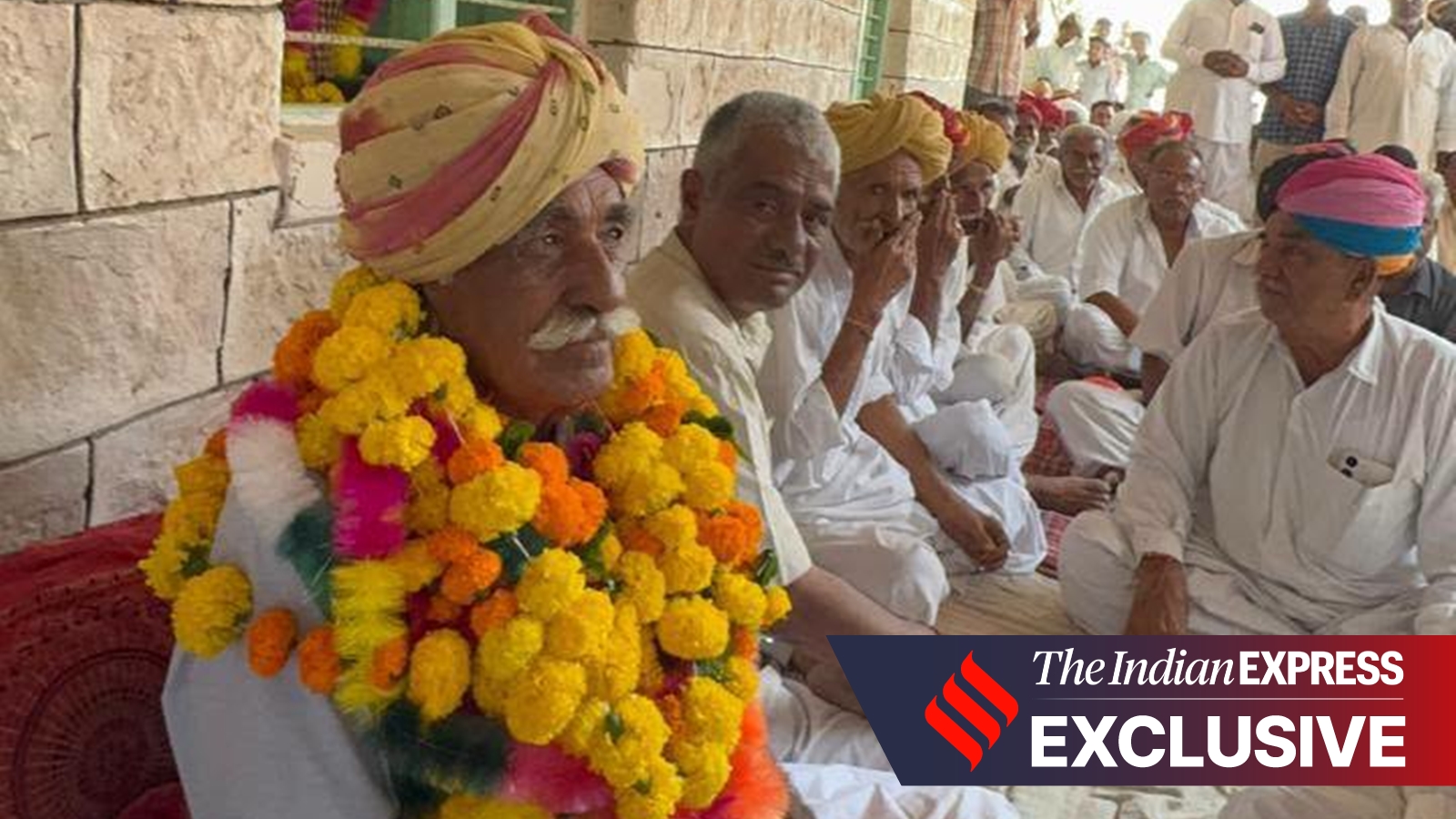
When the Sodhas, one of Pakistan’s most politically powerful Hindu families, left their ancestral homeland in Chhachro in Pakistan’s Sindh province in 1972, they made a vow: to reclaim their homeland. More than five decades later, that vow has been fulfilled — at least symbolically.
On October 24, 77-year-old Padam Singh was elected the first sarpanch of the newly created Chachro village in Rajasthan’s Barmer district, winning 950 votes against 612 for his nearest rival, Dhana Ram.
“He still goes by the name Padam Singh Chhachro,” Pushpendra, Padam Singh’s son, tells The Indian Express.
For Padam Singh Sodha, this is a reclamation of sorts — not only of the homeland he thought he had forever left behind, but also of a former glory. One of seven siblings, Padam Singh belonged to a politically powerful Hindu landowning family in Pakistan. According to Pushpendra, his great-grandfather, Thakur Akhiraj Singh Sodha, was a member of the Sindh Assembly in 1937, while Akhiraj Singh’s son, Thakur Lal Singh, also served as a member of the Assembly.
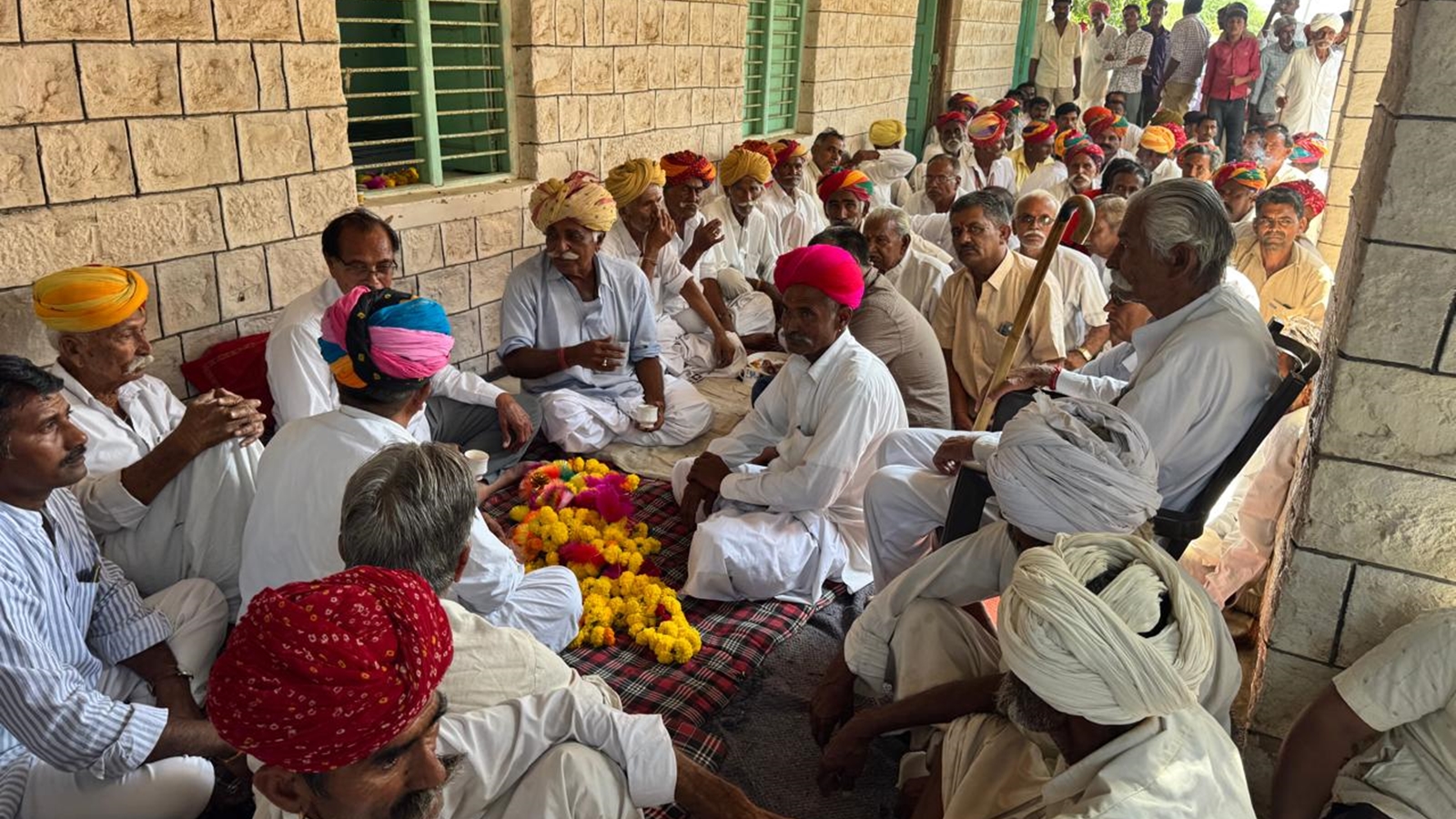 Padam Singh belonged to a politically powerful Hindu landowning family in Pakistan.
His older brother, Laxman Singh, was the Deputy Minister of Railways in Pakistan from 1962 to 1965 under the military government of Field Marshal Ayub Khan — the only Hindu leader in the powerful cabinet. He was also said to have had a close working friendship with the influential Governor of West Pakistan, Malik Amir Mohammad Khan.
But shifting political alliances after the 1965 India-Pakistan war and growing suspicion of minority leaders strained the family’s ties with the military government. In 1970, a year after the new dispensation under then-President Yahya Khan took over, Laxman Singh Sodha was arrested on charges of spying for India.
“The family was targeted by the Pakistani government because of its political influence and its position as a prominent Hindu landowning family in the region,” says Pushpendra. “My uncle and the rest of the family spoke out against what they viewed as anti-Hindu policies and activities of the Pakistani government.”
The Indo-Pak war – and fleeing Pakistan
Story continues below this ad
Although Laxman Singh was eventually released, the family’s position became increasingly precarious. The outbreak of the Indo-Pak war in 1971 brought these tensions to a head.
On December 7, 1971, when Indian Army troops entered Chhachro in Pakistan’s Sindh province, Laxman Singh Sodha and his brothers helped guide the troops and provide intelligence, according to the family. The operation was led by Sawai Bhawani Singh, then the titular Maharaja of Jaipur, who commanded the 10 Para Commando Battalion.
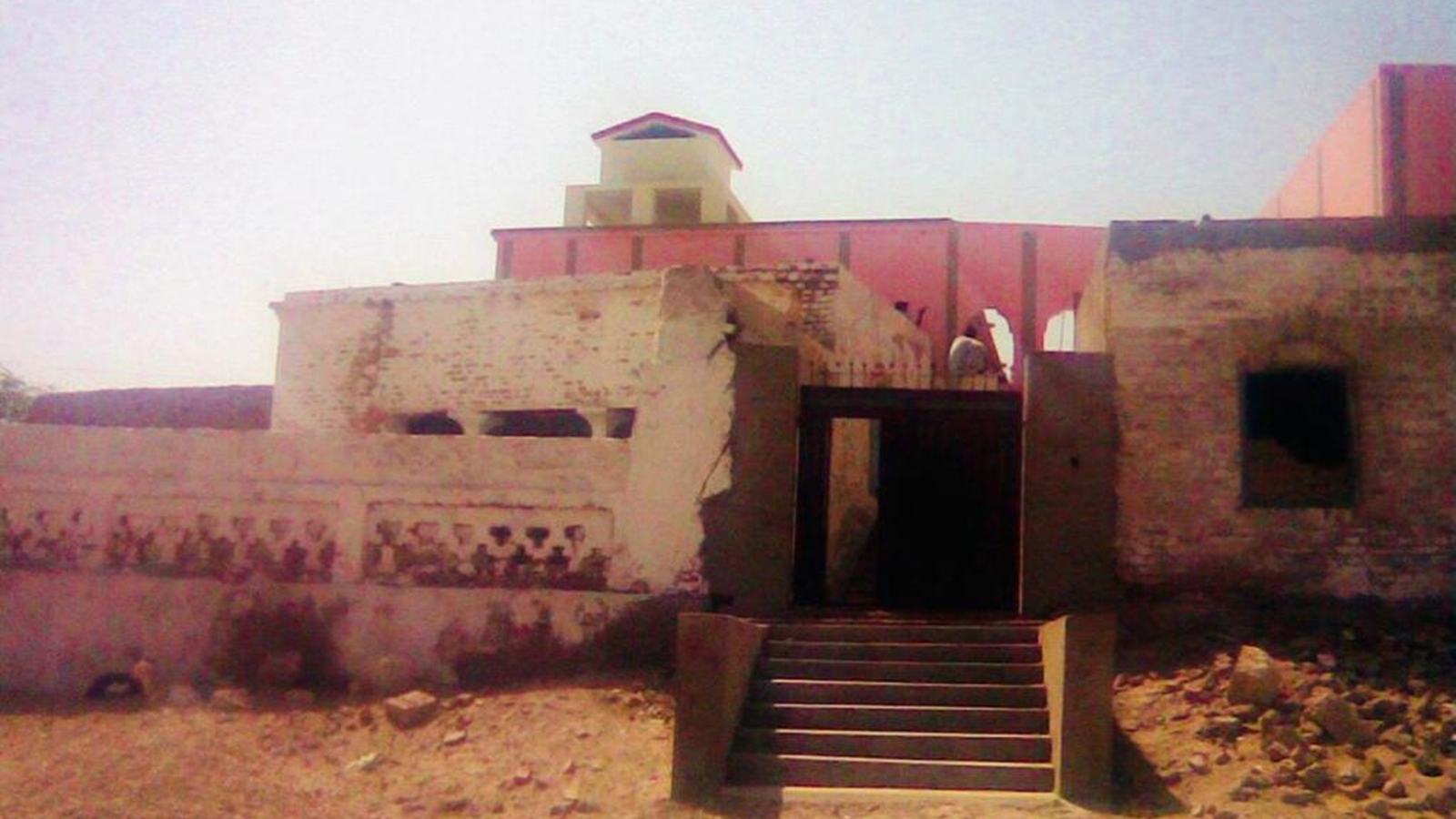 Chachro haveli pakisthan
“Thirteen members of my family were trained in Ahmedabad. A rumour went around then that Laxman Singh Sodha was coming with a large Army. We hoisted the national flag.”
The village, along with substantial territory captured by India inside West Pakistan during the 1971 war, was returned to Pakistan after the Shimla Agreement of July 1972.
Story continues below this ad
Over the next few months, members of the Sodha family migrated to India, leaving behind what they claimed was 1.2 lakh bighas of land. Their ancestral home was declared enemy property after the family left Pakistan.
“They travelled on camels and horses. The family first settled in Chohtan before moving to Bawdi Kala, where they initially lived in tents and camps. We had been landowners in Pakistan but had to rebuild our lives as farmers,” Pushpendra says.
In India, Laxman Singh served as the pradhan of the Chohtan Panchayat Samiti. But as the family slowly rebuilt its lives, its homeland beckoned. “Zulfikar Ali Bhutto [the fourth president of Pakistan from 1971 to 1973 and founder of Pakistan Peoples Party] personally called Laxman Singh and offered to protect the family if it returned to Pakistan,” Pushpendra says. “Rana Chandan Singh Sodha [a federal minister and a leader of Bhutto’s PPP] and Ghulam Rasool Shah Jilani [a prominent spiritual leader also associated with the Pakistan PP] came to India with two helicopters. But Laxman Singh refused.”
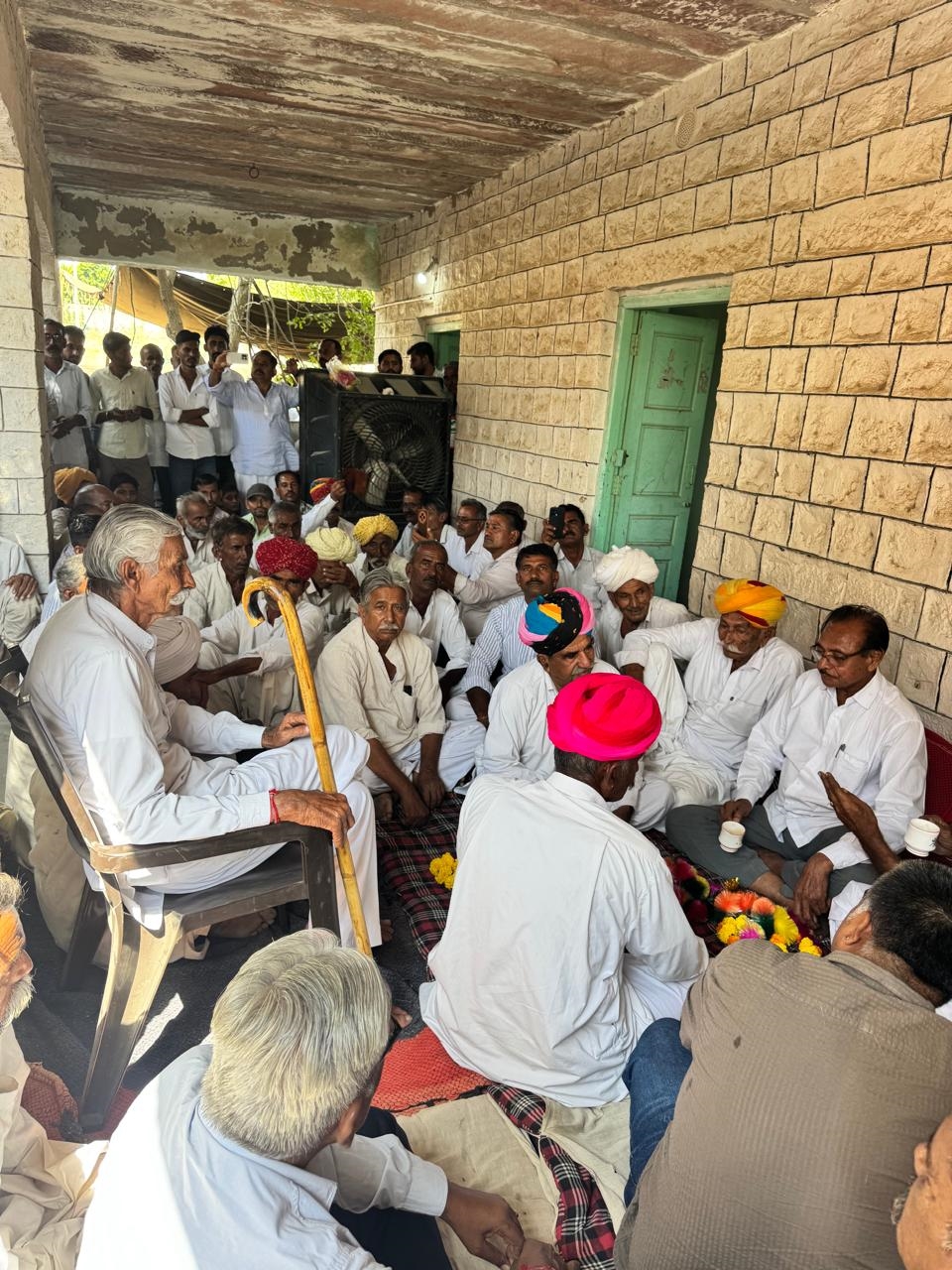 Padam Singh belonged to a politically powerful Hindu landowning family in Pakistan.
Return to homeland
Story continues below this ad
In 2024, after years of lobbying, the Rajasthan government created a new revenue village, Chachore, out of Bawdi Kala. According to Pushpendra, most residents of the newly created village were displaced from Chhachro in Pakistan and felt a strong connection to their ancestral homeland.
In the village too, much has changed: Laxman Singh died in 2012, time has moved on, but the connection to the homeland remains unsevered.
“For us, this gave a sense of home,” says Pushpendra. “Chhachro [in Pakistan] is the motherland; it’s where the family lived for generations. The family also has a mansion in Barmer that’s named Chhachro Haveli.”
This year, Padam Singh decided to contest the panchayat elections from the village and won over 950 of the 2,084 votes cast. For him, the victory was personal — in a sense, it marked a return to his homeland. “It reminded me of home,” Padam Singh tells The Indian Express. “I want to make Chhachro a better place.”
KioskNews shows a cleaned-up reading view extracted from the publisher’s page — the original always lives on their site, not ours.