The human touch behind the virtual technology for preparing child cancer patients
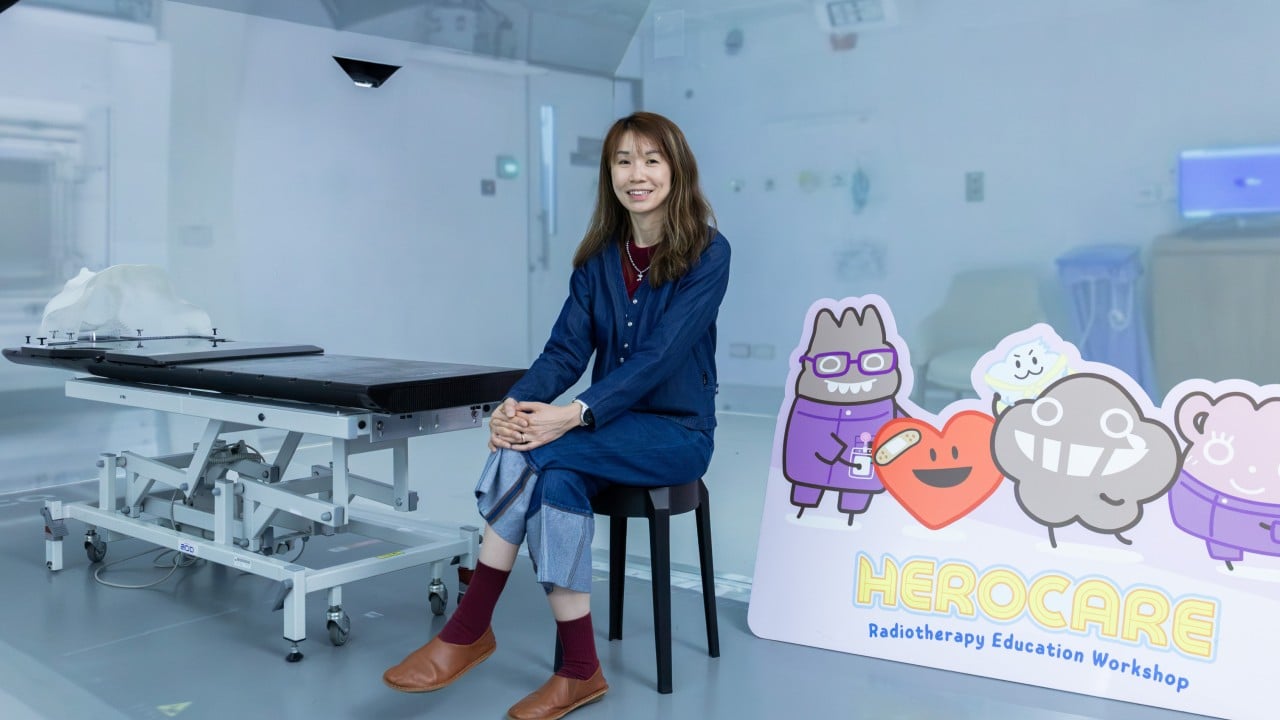
Hong Kong Polytechnic University professor Shara Lee Wee-yee has been using a mixed reality programme to reduce the fear and uncertainty children face before radiotherapy, with personalised rehearsals that allow families to experience the treatment journey before entering hospital.
The simulation programme, HEROCARE, was also a tool that helped carers understand what to expect and for future radiotherapists to develop the empathy and communication skills that patient care required, she noted.
Lee is a finalist in the innovation category of this year’s Spirit of Hong Kong Awards, co-organised by Sino Group and the South China Morning Post.
HEROCARE recreates hospital radiotherapy environments within PolyU’s Hybrid Immersive Virtual Environment (HiVE).
It was launched during the Covid-19 pandemic, specifically when carers and social workers were restricted from hospital areas, and was later built around the HiVE facility, set up in 2022.
The 600-square-foot (55.7-square-metre), six-sided facility is equipped with 360-degree projections to simulate treatment rooms, equipment and sounds without requiring children to wear headsets.
Radiotherapy can require children to remain completely still for 15 to 30 minutes while machinery moves around them. Some also need close-fitting head casts.
Lee said a radiotherapy course can entail up to 30 sessions over six weeks, with general anaesthesia traditionally used when young patients cannot remain still.
HEROCARE prepares families before that stage. Each session lasts about 90 minutes and is tailored to the family.
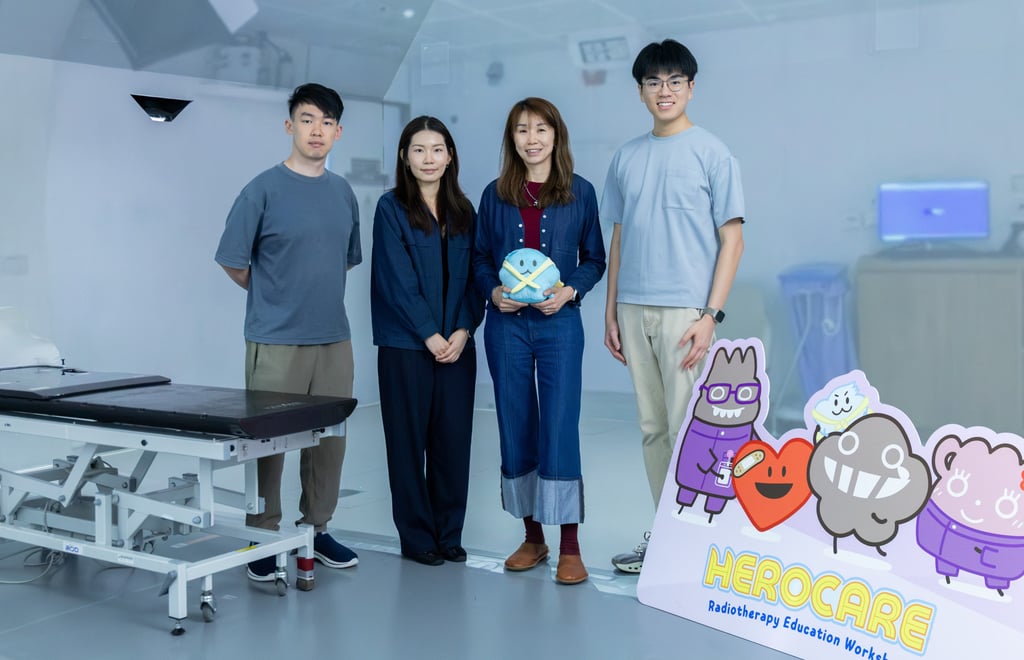
Each session begins with the team asking parents about their child’s interests. Radiation therapy students then create stories and activities around those interests before introducing the treatment process and guiding the child through a rehearsal.
She recalled that a six-year-old boy with a brainstem tumour had been distressed in the early stages and was expected to require general anaesthesia for 30 sessions of palliative radiotherapy.
After learning that he loved the video game Minecraft, students turned his rehearsal into a game-like mission centred on a favourite character. His mother demonstrated the procedure first before he tried lying still himself. He subsequently completed his radiotherapy sessions awake.
Avoiding anaesthesia is only part of the purpose, she said. The programme is intended to help children understand what will happen so that unfamiliar equipment, sounds and routines become less frightening.
Carers are also supported through the process. While students work with the child, Lee and other team members speak separately with parents, inviting them to ask questions and discuss worries that may be harder to raise during a busy hospital visit.
The programme also gives students sustained contact with patients and families before clinical practice.
Shara, who had years of clinical experience before she started teaching at the university, said students can become overly focused on clinical skills, equipment, positioning and other technical requirements.
HEROCARE gives them time to understand the person receiving treatment.
“You cannot teach this simply by telling them,” she said, referring to softer skills such as empathy and communication. “They need the experience of working with a child themselves.”
By August 2026, HEROCARE had supported 85 families and involved more than 500 students.
Since 2021, HEROCARE patients have completed 1,733 paediatric radiotherapy sessions without anaesthesia. In a separate patient-level measure, 71 or 94.7 per cent of 75 children assessed for treatment while awake completed their radiotherapy courses without general anaesthesia.
Treatment time per session was also reduced by an estimated 77.8 per cent, from about 90 minutes to 20 minutes.
“This also means hospitals can get more out of their radiotherapy capacity, with fewer staff and less machine time needed for each patient,” she explained.
Lee thanked the Lee Hysan Foundation and the University Grants Committee for providing a combined HK$4.2 million (US$535,200) in funding to support the programme.
She said the model could eventually be adapted for adults who need special preparation for radiotherapy, including breast cancer patients required to practise breath-holding during treatment.
“Innovation gives us the tools, but it’s the human touch that makes the difference,” she said.
The Spirit of Hong Kong Awards were established in 2013 to recognise the city’s unsung heroes and organisations whose work might otherwise escape public attention.
KioskNews shows a cleaned-up reading view extracted from the publisher’s page — the original always lives on their site, not ours.