Budget 2026: How Burnham and Healey could raise taxes next month
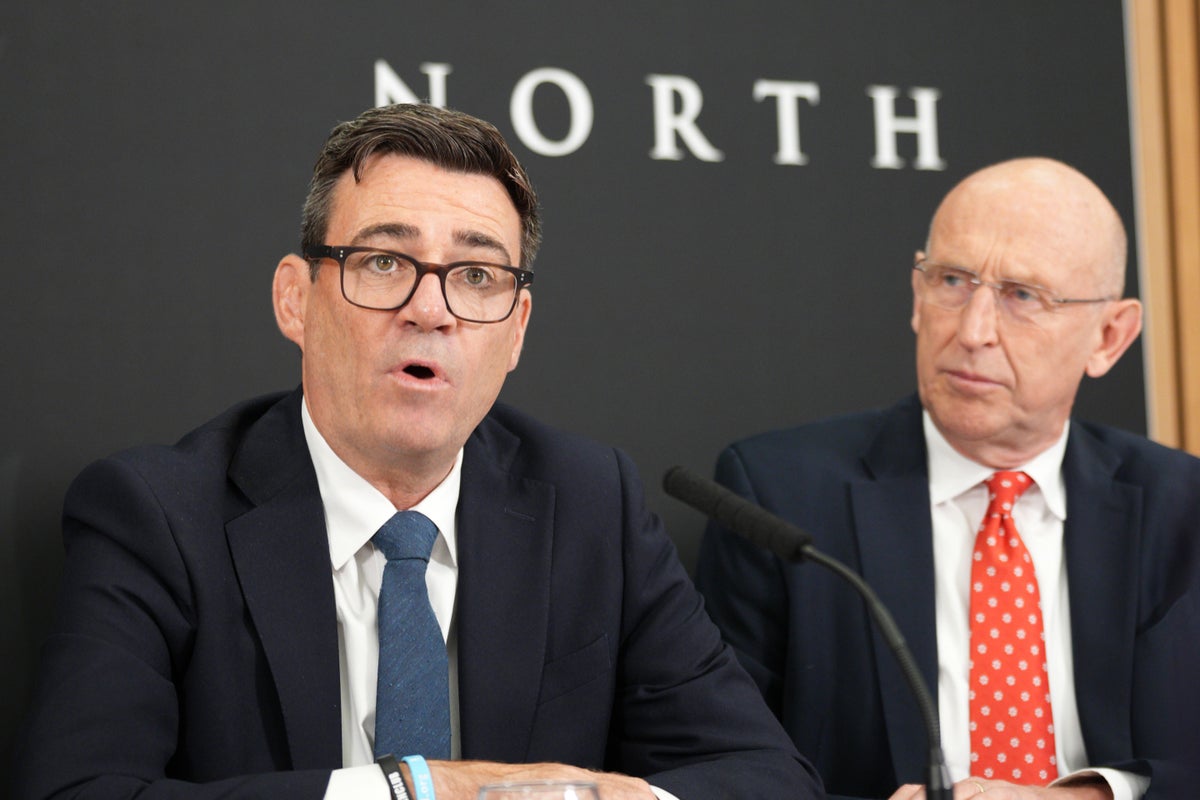
It is just over a month until John Healey makes his first Budget announcement as chancellor, and speculation has grown rife about the changes he and Andy Burnham will make at the major fiscal event.
The new prime minister has pledged to tackle the cost of living as one of his main priorities in the role, but economic uncertainty caused largely by events overseas is making the task undoubtedly more difficult.
Mr Burnham has admitted that the upcoming Budget will be “challenging” after official figures revealed inflation reached a five-month high in August.
Paired with soaring borrowing costs, experts are now forecasting a combination of tax rises and spending cuts at the event.
Economic pressures from the US-Iran war and weaker growth have wiped nearly £12bn off the government’s fiscal headroom, a report from KPMG warned this week.
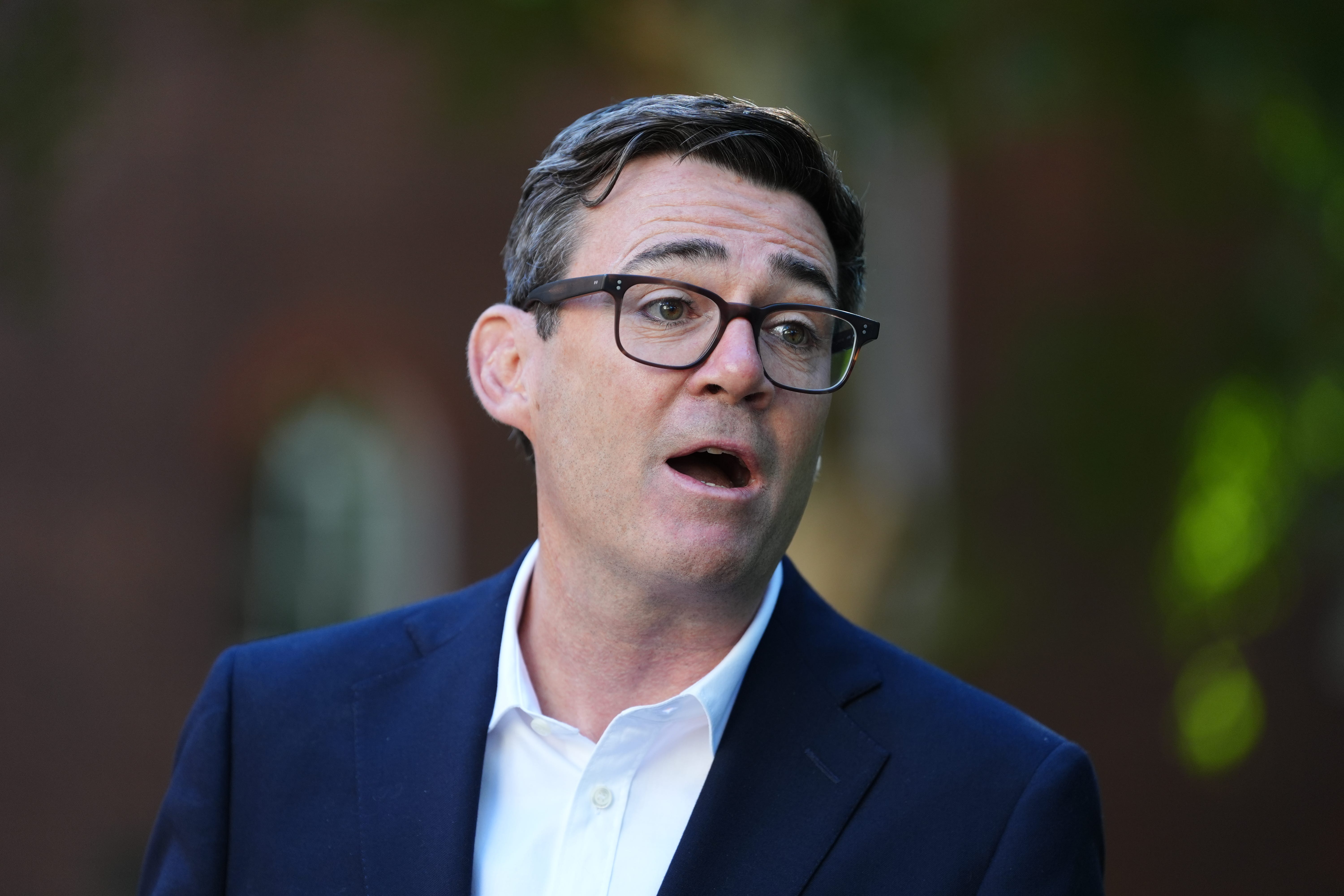
As prime minister, Mr Burnham has committed to Labour’s 2024 manifesto pledge not to increase the headline rate of income tax, VAT or national insurance contributions.
However, this still leaves him and the Treasury with a lot of options to boost government coffers. Given the new prime minister’s focus on devolution and progressive growth, any tax changes are also likely to focus most on higher earners.
Here are some of the key options the government is understood to be considering:
Equalise Capital Gains Tax
A major revenue-raising measure reportedly under consideration is increasing Capital Gains Tax (CGT) rates to as much as 45 per cent.
The tax is paid on gains – or profit – made on the sale of assets like shares, property and other possessions worth over £6,000. Exceptions are made for the sale of primary residences and cars.
It is currently paid at two rates: 18 per cent for basic rate taxpayers, and 24 per cent for additional rate taxpayers.
Under the proposals, these rates would be increased to mirror the current income tax bands. This ranges from 20 per cent for basic rate taxpayers (on income over £12,570) to 45 per cent for additional rate taxpayers (on income over £125,140).
The idea was put forward by Ecotricity owner Dale Vince in a submission to the Treasury. The Labour donor writes that equalising CGT could raise an estimated £14bn, although behavioural changes could reduce this considerably.
Unfreezing income tax thresholds
Since 2021, the income tax personal allowance has been frozen at £12,570. This is the amount that can be paid before income tax deductions begin. The measure has been criticised as a way for the Treasury to boost revenue from income tax without increasing its rates.
Former chancellor Rachel Reeves announced an extension to the freeze on income tax thresholds at last year’s Budget, moving its end date from 2028 to 2031.
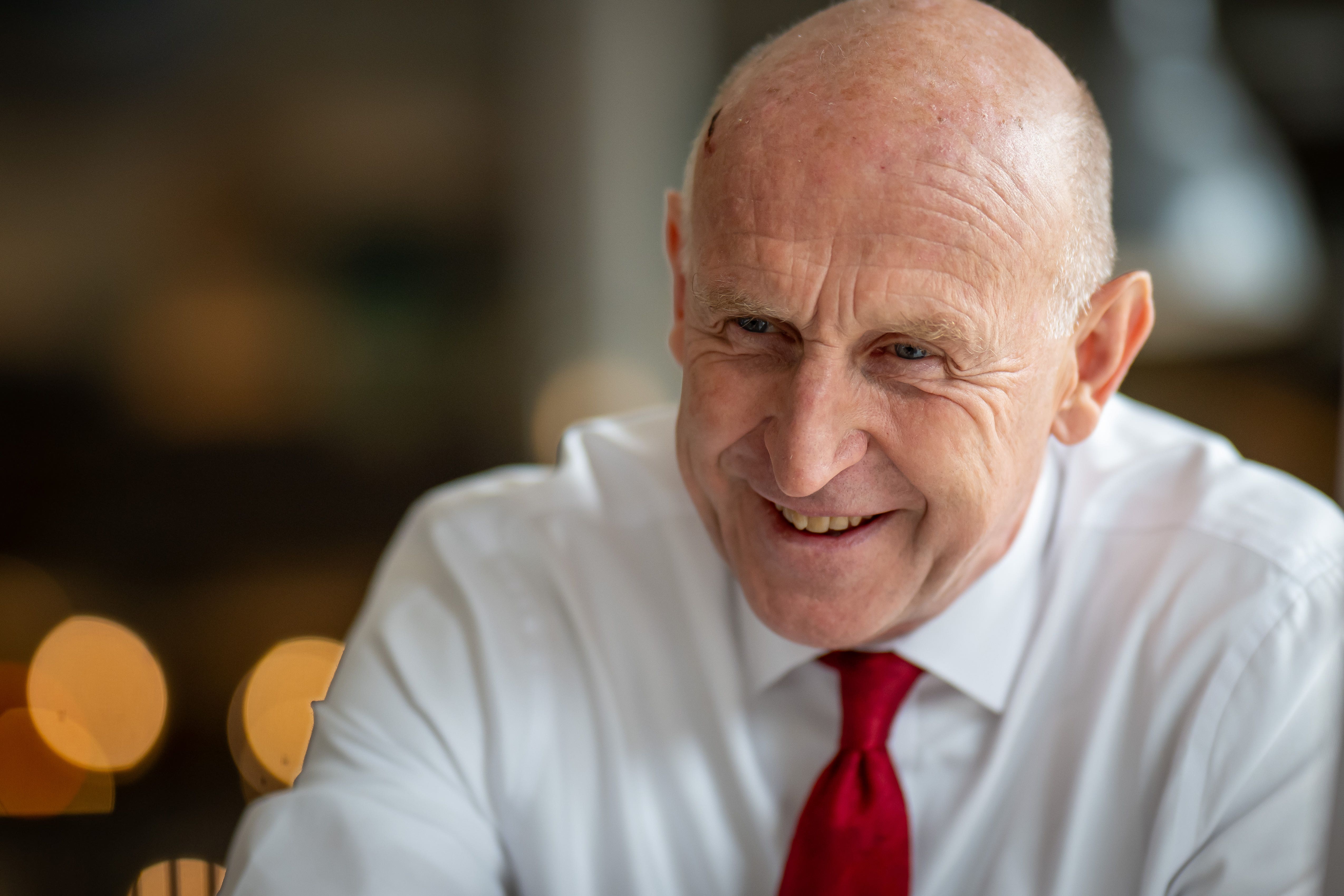
This has created what economists have termed “fiscal drag”, where more people are pulled into paying tax, or into higher brackets, as average earnings increase but thresholds stay the same. The measure is expected to raise £8bn for the Treasury in 2029-2030, according to Office for Budget Responsibility (OBR) analysis.
Mr Burnham’s government has pushed back against reports suggesting it is considering relinking the income tax thresholds to inflation.
However, the new prime minister previously told reporters the issue was “the thing I heard the most on the doorsteps”, adding that it has become “lodged in my mind”.
If he were to take action on it, his first Budget in power may be the time to do so.
‘Mansion tax’ expansion
The so-called mansion tax announced by Ms Reeves at the 2025 Budget has not yet come into force, but Mr Burnham is understood to be considering expanding its scope further.
Officially the ‘high-value council tax surcharge’, the measure will see an annual charge placed on homes worth £2m or more from April 2028.
There are four planned payment bands, with the total amount to be paid ranging from £2,500 for properties worth £2m to £2.5m, to £7,500 for properties worth £5m and over.
The government is now reportedly considering lowering this threshold to £1.5m. Tax analysts say this could double the yearly receipts from the levy to £800m, and nearly double the number of affected properties from 123,000 to around 245,000.
Inheritance tax changes
Speculation grew after Mr Burnham took over as prime minister that he may revisit plans he drafted as health secretary under Gordon Brown in 2009 to radically overhaul inheritance tax.
Under those plans, inheritance tax would have been scrapped in favour of a 10 per cent levy on all estates upon death to fund an NHS-style social care service.
The new government has distanced itself from the idea, telling reporters that Mr Burnham’s plans for social care won’t rest on not imposing “one particular solution or tax”.
Another change reportedly under consideration is instead tightening existing inheritance tax loopholes to boost Treasury coffers.
This could include ending the reset on capital gains tax liability on inherited assets, or extending the seven-year rule for tax-free gifts to a decade. Both would follow the decision by Ms Reeves in 2024 to bring pension pots into the scope of inheritance tax – set to become law next year.
Reforming property taxes
Another idea supported by Mr Burnham during his previous stint in Westminster was a land value tax, a replacement for stamp duty that would see a new levy charged based on land value.
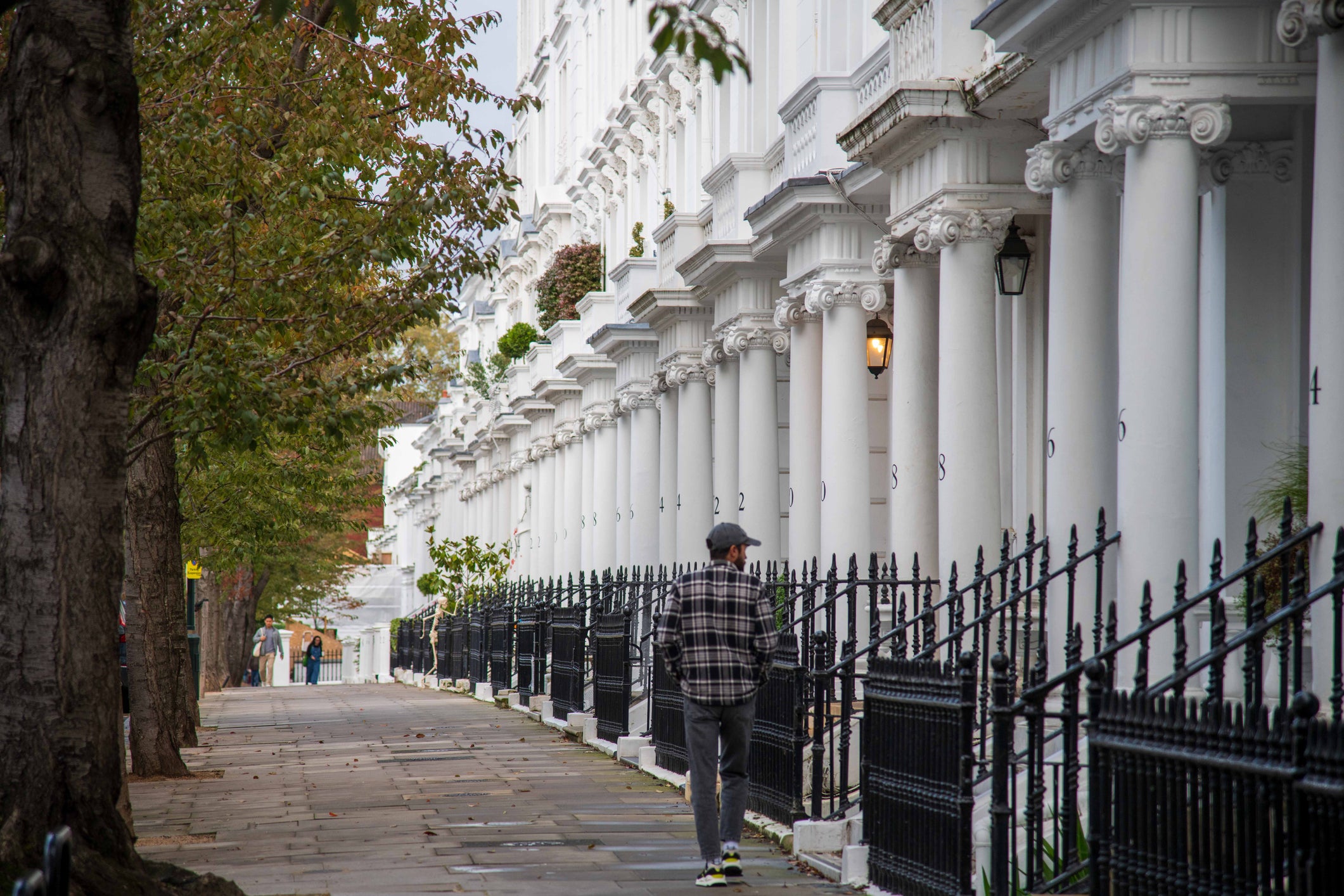
The new prime minister has also previously been critical of council tax, calling it “highly regressive” earlier this year. The outdated banding system based on valuations last carried out in 1991 means that a Band H property in Blackpool can pay nearly £600 more than a £10m property in Mayfair.
While the government has pushed back on speculation that it will introduce a land value tax this year, it remains possible that a new way of taxing property may be announced.
Doing so would arguably align with Mr Burnham’s stated aim of “delivering growth to every postcode”, with any new model likely favouring lower-income areas whilst effectively taxing wealth in more affluent places.
One model put forward by the influential Resolution Foundation think tank ahead of the Budget calls for both council tax and stamp duty to be abolished for a proportional property tax. This would be charged at 0.7 per cent a year of the residential property’s value, shifting an estimated £3bn in tax onto the capital and away from other areas.
The government has not yet given any strong indication of the taxation policies it is leaning towards, with the Treasury’s longstanding position remaining to never comment on Budget speculation.
KioskNews shows a cleaned-up reading view extracted from the publisher’s page — the original always lives on their site, not ours.