Double beds, aircon and big-screen TVs: Indonesia suspends officials over luxury prison cells

Five Indonesian prison officials have been suspended after investigators found an apartment-style compound complete with airconditioners, big-screen televisions and expensive cars allegedly used by inmates at a prison near Jakarta.
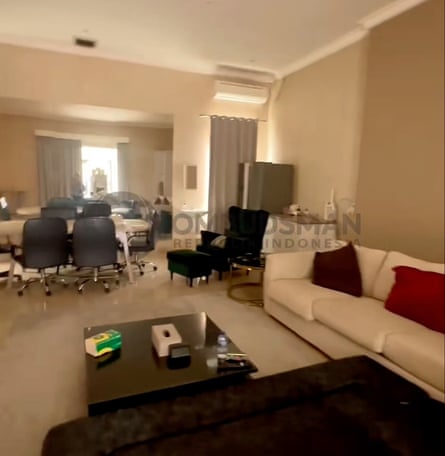
“We found strong indications that certain prisoners had access to special facilities unavailable to ordinary prisoners,” said Syafrida Rachmawati Rasahan, a member of Indonesia’s ombudsman, on Tuesday. “We encountered prisoners inside the residential compound and discovered facilities resembling home stays, apartments and villas rather than prison housing.”
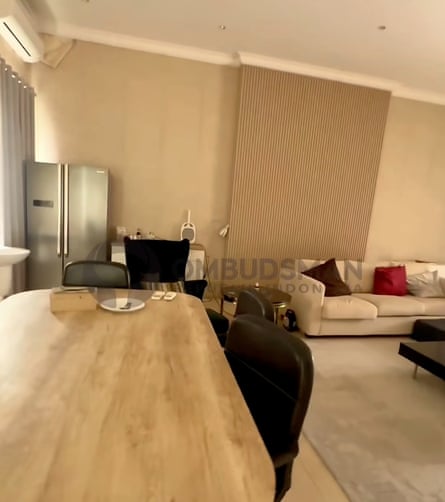
Investigators also reported finding sofas and dining areas in the units, and a gym and golf simulator under construction in the complex.
The incident has drawn widespread public attention and renewed scrutiny of Indonesia’s prisons, which have long faced allegations that wealthy or well-connected prisoners can obtain preferential treatment through bribery.
The allegations centre on Cibinong prison in Bogor, near Jakarta, where investigators from the ombudsman found more than 10 residential units separate from regular prison cells during a surprise inspection on 23 September, Rasahan said.
Rudi Setiawan, inspector general of the ministry of immigration and corrections, said dozens of prisoners and prison employees had been questioned as part of the inquiry.
“We have suspended five structural officials, including the Cibinong prison chief, who are suspected of being responsible for the incident uncovered by the ombudsman,” Setiawan said.
The four-hectare (10-acre) Cibinong prison houses a mix of prisoners, including those convicted of corruption and other high-profile prisoners. The identities of prisoners allegedly living in the compound have not been officially disclosed.
Lawmakers, anti-corruption activists and watchdog groups have urged authorities to identify which prisoners occupied the facilities and whether prison officials accepted payments in exchange for the privileges.
The buildings were originally intended as official housing for prison personnel, but investigators are examining whether they were converted into unauthorised accommodation for prisoners, said Setiawan.
The case is the latest embarrassment for the corrections system in Indonesia, which has struggled for years with overcrowding, corruption and repeated allegations that affluent prisoners can buy privileges unavailable to the broader prison population.
KioskNews shows a cleaned-up reading view extracted from the publisher’s page — the original always lives on their site, not ours.