10 Greatest Closing Lines In Horror Movie History
Horror movies live and die by their endings. A great scare can make an audience jump, but a great final line can haunt them for years. The best closing lines wrap up a story as well as completely reframe it, leaving viewers staring at the credits while replaying everything they just witnessed.
Horror is uniquely suited to memorable final dialogue because of the genre's willingness to deny closure. Unlike most blockbusters, horror often ends with uncertainty, tragedy, or the terrifying realization that evil has won. Occasionally, it's so darkly funny that audiences laugh despite themselves.
The most effective horror examples are remarkably economical. A few words can summarize an entire movie's themes, crystallize a villain's worldview, or leave a mystery unresolved forever. From classic Universal monster movies to folk horror masterpieces and modern psychological nightmares, these lines linger because they arrive at precisely the right moment.
"Game Over!"
Saw (2004)

After spending the whole of Saw trapped in a filthy bathroom, Adam finally discovers that the seemingly dead body in the center of the room is Jigsaw. As Adam desperately begs for help, Kramer simply slams the door shut and delivers two words: "Game over!"
It's difficult to overstate how effective this line was in 2004. Audiences were already reeling from one of horror's greatest twist endings when Kramer punctuated it with a phrase that feels chillingly matter-of-fact. There's no gloating villainous monologue. Just a simple declaration that Adam's fate is already sealed.
"Game over" is something players hear after losing a video game, but in Saw, there are no extra lives. Adam's story ends right there. The line became the defining catchphrase of an entire franchise, but it has never hit harder than in the first Saw.
"I Will Guide Thy Hand."
The Witch (2015)
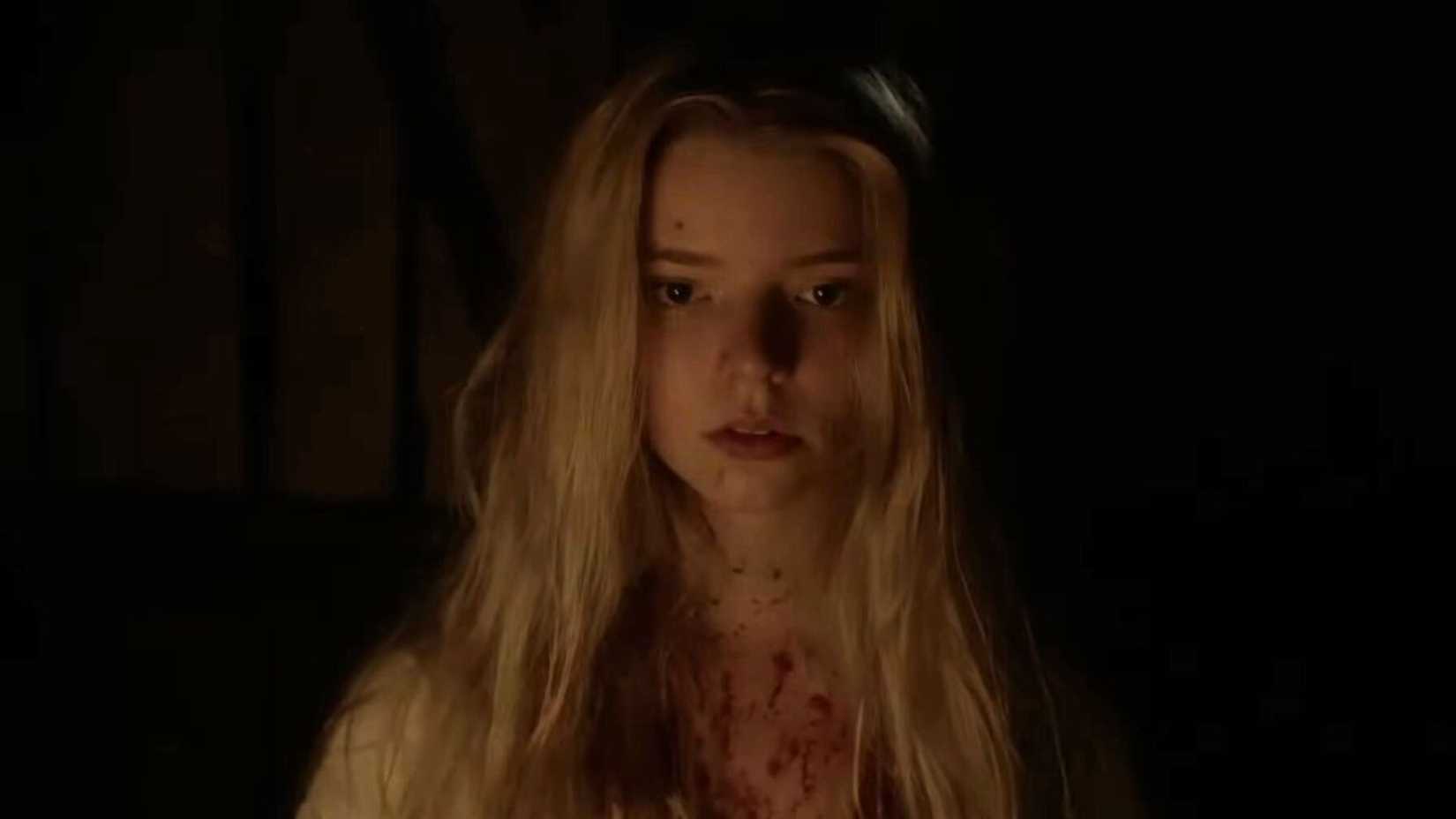
At the end of The Witch, Thomasin has lost everything, and the sinister Black Phillip has finally revealed himself as Satan. When he asks whether she would like to live deliciously, Thomasin agrees, but admits she cannot sign her name. He responds, "I will guide thy hand."
More than merely helping her to write, this line serves as a mission statement for everything that follows. Thomasin surrenders her agency while gaining a new kind of freedom. The Devil is guiding her into an entirely new existence.
Robert Eggers fills The Witch with archaic dialogue, but this line stands out because of its simplicity. It's comforting rather than threatening. After spending the entire film watching Thomasin endure suspicion, abuse, and isolation, Black Phillip offers support. It perfectly captures why The Witch’s ending is both triumphant and horrifying.
"Loudly Sings Cuckoo!"
The Wicker Man (1973)

Sergeant Howie spends The Wicker Man convinced that reason, faith, and law will ultimately prevail. Instead, he finds himself trapped inside the titular wicker structure as the island's residents burn him alive as a sacrifice. As the flames rise and Howie desperately prays for salvation, the villagers break into song.
The final words heard in The Wicker Man are part of their cheerful rendition of the English folk song, "Sumer Is Icumen In": "Loudly sings cuckoo!" Horror movie endings normally end with screams, ominous music, or silence. The Wicker Man chooses communal celebration.
That's what makes The Wicker Man’s ending so unforgettable. The villagers are genuinely joyful. The contrast with Howie's agony creates one of cinema's most unsettling juxtapositions. The song's simplicity somehow makes the scene even more horrifying and iconic.
"I'm Having An Old Friend For Dinner."
The Silence Of The Lambs (1991)

Technically, Clarice Starling says "Dr. Lecter?" several times after this The Silence of the Lambs quote, but Hannibal Lecter’s final line is presented as the movie’s denouement. Having escaped custody and disappeared into the world, Lecter phones Clarice from abroad.
After chatting, Lecter remarks, "I do wish we could chat longer." He watches the pompous asylum administrator, Dr Chilton, disembark from an airplane and calmly jokes, "But I'm having an old friend for dinner."
Lecter’s final line in Silence of the Lambs is a pun, a threat, and a punchline all at once. While it’s certainly clever cannibalistic wordplay, it also perfectly encapsulates Hannibal’s personality. Lecter is oddly likable, no matter how despicable he acts. Much like his parting line, he is charming, wry, and strangely charismatic.
"Aren't You His Mother?"
Rosemary's Baby (1968)

Few endings in horror are as emotionally devastating as Rosemary's Baby. After enduring months of manipulation, gaslighting, and satanic gangstalking, Rosemary finally discovers her child is the son of Satan. Her horrified reaction, "What have you done to his eyes?" is one of horror cinema's most famous moments. Then comes the final blow.
As the coven urges her to comfort the baby, Roman Castevet calmly asks: "Aren't you his mother?" The line is particularly chilling because it weaponizes maternal instinct. Rosemary has spent the entire movie fighting against these people, but now feels compelled to acquiesce.
The baby may be the Antichrist, but he is still her child. When Rosemary begins rocking the cradle and humming the haunting lullaby, her resistance finally collapses. Rosemary’s Baby ends with surrender – which is far more disturbing.
"Why Don't We Just... Wait Here For A Little While... See What Happens?"
The Thing (1982)

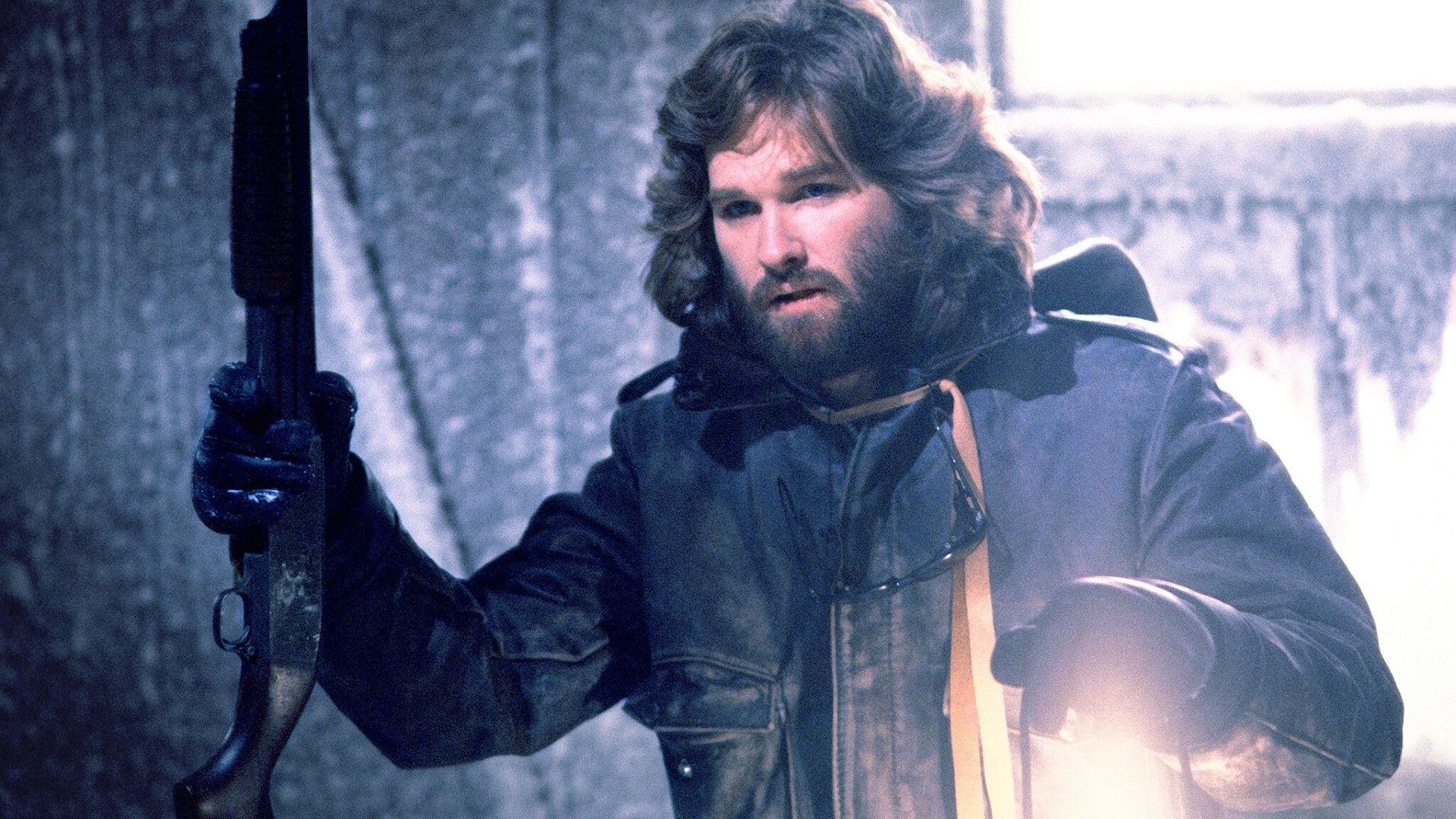
John Carpenter's masterpiece The Thing concludes with one of cinema's greatest ambiguities. The Antarctic base has been destroyed. MacReady and Childs sit among the ruins, exhausted and freezing to death. Neither man knows whether the other is still human.
After sharing a bottle of Scotch, MacReady delivers the film's final line: "Why don't we just wait here for a little while... see what happens?" The beauty of the ending is that the audience doesn't get an answer.
For decades, audiences have debated whether Childs was infected, whether MacReady was infected, or whether both men remained human. Carpenter refuses to resolve the mystery. Earlier in The Thing, paranoia consumed everyone, and trust became impossible. By the end, it no longer matters; both are doomed. It's tragic, bleak, and strangely peaceful.
"We Belong Dead."
Bride Of Frankenstein (1935)

Universal's monster movies are often remembered for their iconography, and Bride of Frankenstein provides an absolute bounty. After being rejected by the Bride, the Monster tells Frankenstein to leave, but turns to Dr Pretorius and commands him to stay. He looks towards the Bride and utters the heartbreaking line: "We belong dead."
Question 1 of 3
The Monster destroys the laboratory, killing himself, Pretorius, and the Bride. The Monster’s final declaration completes his transformation from monstrous creation to tragic victim. Despite being the “Monster,” he is the most noble figure in the room.
Boris Karloff's Monster recognizes that society will never accept either of them. It's astonishingly poignant and distills the loneliness at the heart of Mary Shelley's creation into three words. The Monster was never really the villain.
"They'll See. They'll Know. And They'll Say, 'Why, She Wouldn't Even Harm A Fly.'"
Psycho (1960)

After Norman Bates is captured, Psycho delivers one final nightmare. Sitting alone in a cell, Norman hears his mother's voice. She insists she would never hurt anyone, stating that Norman was responsible for the murders. The voice continues, "They'll see. They'll know. And they'll say, 'Why, she wouldn't even harm a fly.'"
This scene reveals that Norman has disappeared entirely. The audience is hearing Norma’s voice and Norma’s thoughts. The personality Norman had once constructed has consumed Norman completely.
Anthony Perkins' expression during the scene heightens the effect. The faint smile that spreads across his face is unbearably creepy, as Mother feigns her innocence in front of the police. Psycho ends with the implication that Mother has won.
"This Is Ripley, Last Survivor Of The Nostromo, Signing Off."
Alien (1979)
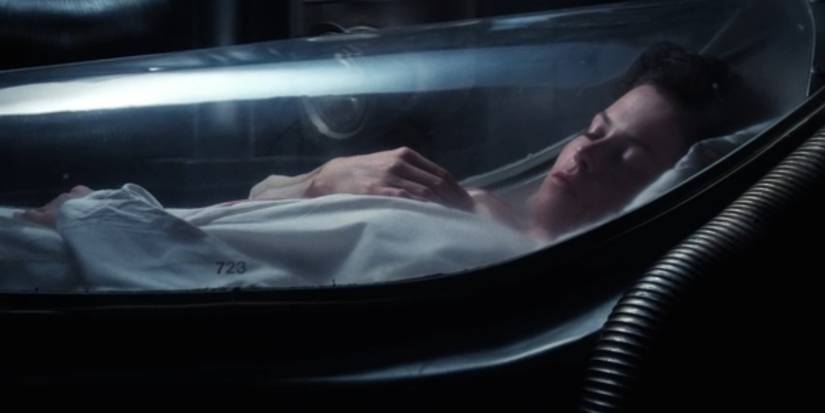
After surviving the destruction of the Nostromo and ejecting the Xenomorph into space, Ellen Ripley finally has a moment to breathe at the end of Alien. Recording a final log entry, she states: "This is Ripley, last survivor of the Nostromo, signing off."
The line is almost painfully understated. Ripley doesn't celebrate or deliver a triumphant one-liner; she is simply exhausted and ready for all this alien nonsense to be over. It feels like her last remaining professional act before she can finally clock off and be done – at least until the sequel.
Ripley bucks many of the action hero conventions in Alien, and this subdued ending is the perfect bookend to this. After all the carnage and chaos, Ripley is left alone in the silence of space with just a cat and can finally get some rest.
"It Was Beauty Killed The Beast."
King Kong (1933)

Modern audiences don't always think of King Kong as horror, but in 1933 it was absolutely viewed as a terrifying monster movie. The giant ape's attacks, the Skull Island creatures, and the film's groundbreaking effects made it one of the most frightening cinematic experiences of its era.
After Kong falls from the Empire State Building, Carl Denham surveys the scene. When someone remarks that the airplanes got him, Denham replies: "Oh, no. It wasn't the airplanes. It was Beauty killed the Beast." It's one of the most famous closing lines in film history because it reframes the entire story.
Kong isn't defeated by military might, but by his fascination with Ann Darrow. It transforms the giant ape from a monster into a tragic figure. Suddenly, the audience isn't thinking about the chaos he caused, but the impossible longing that doomed him. Like the best horror endings, it evokes sympathy and heartbreak alongside fear.

- Release Date
- March 15, 1933
- Runtime
- 100 Minutes
- Director
- Merian C. Cooper, Ernest B. Schoedsack
- Writers
- James Ashmore Creelman, Ruth Rose, Merian C. Cooper, Edgar Wallace, Leon Gordon
KioskNews shows a cleaned-up reading view extracted from the publisher’s page — the original always lives on their site, not ours.