Japan looks to Bangladesh, Nepal for farm workers as Southeast Asian arrivals slow
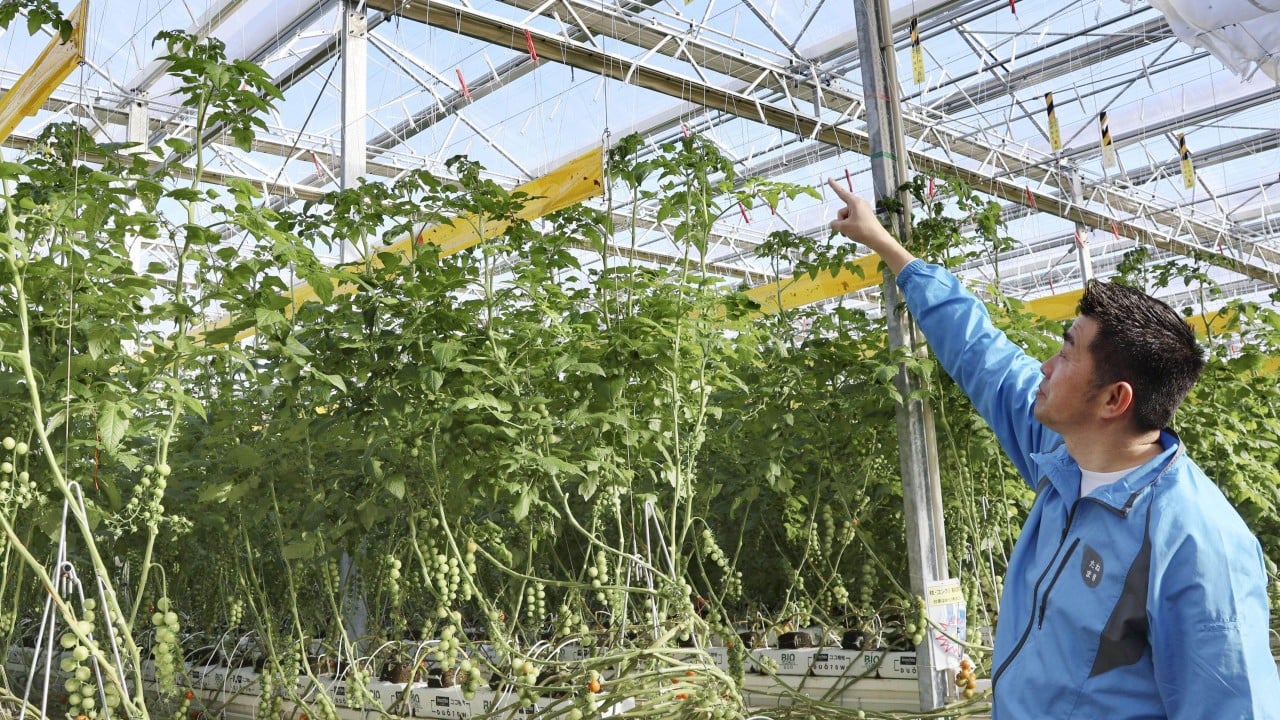
Workers from South Asian countries such as Bangladesh and Nepal are making their mark on Japan’s agricultural sector, outpacing their Southeast Asian counterparts as Tokyo races to address a persistent labour shortage in its farms.
Mirai, a Tokyo-based company dedicated to training and retaining skilled foreign workers, has introduced its first Bangladeshi candidates for farm work, signalling South Asia’s rise as a fresh labour source while the flow from Vietnam and the Philippines slows.
After passing Japan’s specified skilled worker agriculture exam in August, two students from one of Mirai’s partner schools in Bangladesh landed job offers from an agricultural company in Aomori prefecture. Their journey to the northeastern region will begin in the coming months.
“I am very excited to go to Japan and learn about Japanese agriculture,” Ahasan Habib, 21, from Mymensingh in northern Bangladesh, said in Dhaka. “I want to make good use of my experience and take proper care of chickens.”
Another candidate, Siam Ur Rahman, 20, from Barisal in southern Bangladesh, said: “I am grateful for the opportunity to work in Japan. When I go to Japan, I want to work very hard,” adding that he was also looking forward to touching snow.
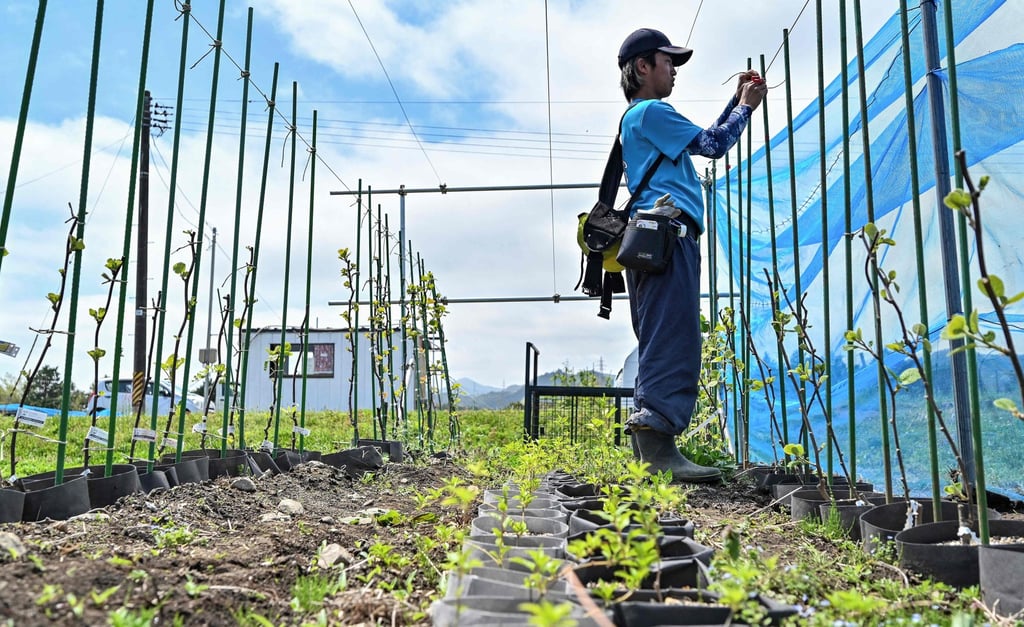
Japanese government data show that the number of Type 1 specified skilled foreign workers in agriculture, whose stays in the country are generally limited to five years, rose 26 per cent in June from a year earlier to 44,050. Habib and Rahman will join this category.
By country, Indonesia was the largest supplier of labour with 18,255 workers, up 45 per cent, while Nepal rose 30 per cent to 916, Sri Lanka climbed 60 per cent to 638, and Bangladesh jumped 127 per cent to 334, according to the Immigration Services Agency.
As wages climb in Vietnam, the Philippines and other Southeast Asian nations, Japan faces growing challenges in attracting agricultural workers from those areas, according to Yuji Nomura, general manager of the Career Advisory Division at Sustainable Holdings, Mirai’s parent company.
“We’re seeing a shift to South Asia for labour supply sources,” Nomura said in an interview. “Although Bangladesh is not a big farming nation, it is an agricultural country with a population of about 170 million and high potential for growth.”
Since 2018, Sustainable Holdings has been running training and retention programmes for foreign workers across Asia through Mirai. The company’s network of partner schools spans the Philippines, Indonesia, Vietnam, Bangladesh and Myanmar, with new additions in Sri Lanka and Nepal.
Students are aged 18 to their thirties – with women often gravitating towards caregiving roles and men pursuing agriculture. To earn specified skilled worker status in agriculture, candidates should pass the N4 beginner-level Japanese-language test and written and practical agriculture exams, Nomura said.
“Japan is known as a country with advanced agricultural technology,” he said. “For this reason, some people work on farms in Australia and Israel after working in Japan or run agricultural businesses in their home countries.”
Mirai operates three partner schools in Bangladesh, located in Dhaka, Chittagong and Barisal. Noriko Nour Noby, a Japanese instructor who teaches language and other subjects at the Dhaka school, expressed her delight at Habib and Rahman’s success in passing the Japanese exam, calling it “a great joy” for her.
07:53
If you’re tired of being told what to see in Japan, try this no-frills tourism
With two decades of life in Bangladesh and deep connections with locals in Bengali, Nour Noby emphasised that understanding each worker’s cultural background and mindset was key to effective training. She also stressed the importance of building an environment in Japan where foreign workers could thrive and feel secure for the long term.
Japan’s agricultural workplaces have faced chronic labour shortages due to ageing and other factors. According to government data, including Type 1 workers and Type 2 status with no general stay limit, the number of specified skilled foreign workers and technical intern trainees in agriculture totalled 67,905 as of the end of December 2025.
Indonesia and Vietnam accounted for more than 60 per cent of the 39,234 specified skilled foreign workers, the Ministry of Agriculture, Forestry and Fisheries said.
But the changing landscape in fast-growing Southeast Asian countries is opening new doors for South Asians in Japan. Noriyuki Takakura, a director at Sustainable Holdings, said people from Bangladesh, Sri Lanka and Nepal were known for their seriousness and diligence, earning them high regard.
Sustainable Holdings is offering students free tuition at Mirai partner schools across Asia and helping them find housing once they arrive in Japan.
“We will gradually expand agricultural classes in each country,” Takakura said.
KioskNews shows a cleaned-up reading view extracted from the publisher’s page — the original always lives on their site, not ours.