7 Classic Sci-Fi Movies That Are Way Darker Than You Remember

Simon Gallagher has worked in movie and TV journalism for more than 17 years. He has written more than 6000 articles and reviews, and edited thousands more. He is an expert in the entertainment industry, particularly in the golden age of screen superheroes. Simon is also a Rotten Tomatoes approved critic.
As a genre, science fiction has always leaned more into darkness and pessimism than optimism. Star Trek stood apart as a franchise built largely on hope, but even in Gene Roddenberry’s universe, tragedy and trauma - like Wrath of Khan - could define the real masterpieces. Even great stories like The Martian and Project Hail Mary find their hope and human resilience through adversity.
There’s just something delightfully enduring about the idea of killer robots, killer aliens, killer AI, and the absolute worst-case scenarios resulting from humanity overreaching. It’s somewhat inevitable, given that the human condition is built on survival instincts, and how real-life stories of resilience tend to be the most inspiring. Anything that comes easily just isn’t that compelling. Ask a billionaire.
As a result, lots of the most legendary sci-fi movies wear their cynicism as a badge of perverse honor, demanding the audience face up to the bleak reality of aliens who want to impregnate your face, or take over your planet, or rogue AIs that have little consideration for positive human outcomes. But even beyond the obvious horrors of Aliens, Terminators, and Event Horizons, even some of the more gentle sci-fi movies are surprisingly dark when you go back and watch them.
Often, happy endings in sci-fi movies have the habit of softening how the story got there, and in other cases, the grim reality of a movie is hidden beneath its seemingly feel-good surface. It’s only when you start to pick at the happy parts, or go back to watch a movie years later, that you realize we were all tricked into missing the dark parts.

Steven Spielberg’s 1982 masterpiece is pretty much the ultimate Amblin classic, with rare four-quadrant appeal, family-friendly content and a deeper, uplifting message of love and triumph over cold, inhuman science. When you think back, you’ll think of a heartwarming story of childhood innocence and unlikely friendship, with a brief traumatic event where E.T. almost dies, but everything works out pleasantly.
But really, beneath the magical flying bicycles, the narrative is quietly defined by harrowing emotional trauma. Spielberg used the alien first contact as a metaphor for a child struggling to process his parents’ divorce. Elliot is isolated, vulnerable, and seeking a connection he can’t find in his broken home. He then has to endure his world being invaded by shady government stooges who prod and probe him, watching his new friend “die” in one of the most trauma-inducing scenes in any children’s movie. And when you watch it back as an adult, with experience of real grief, it’s far more loaded.
6 Eternal Sunshine of the Spotless Mind
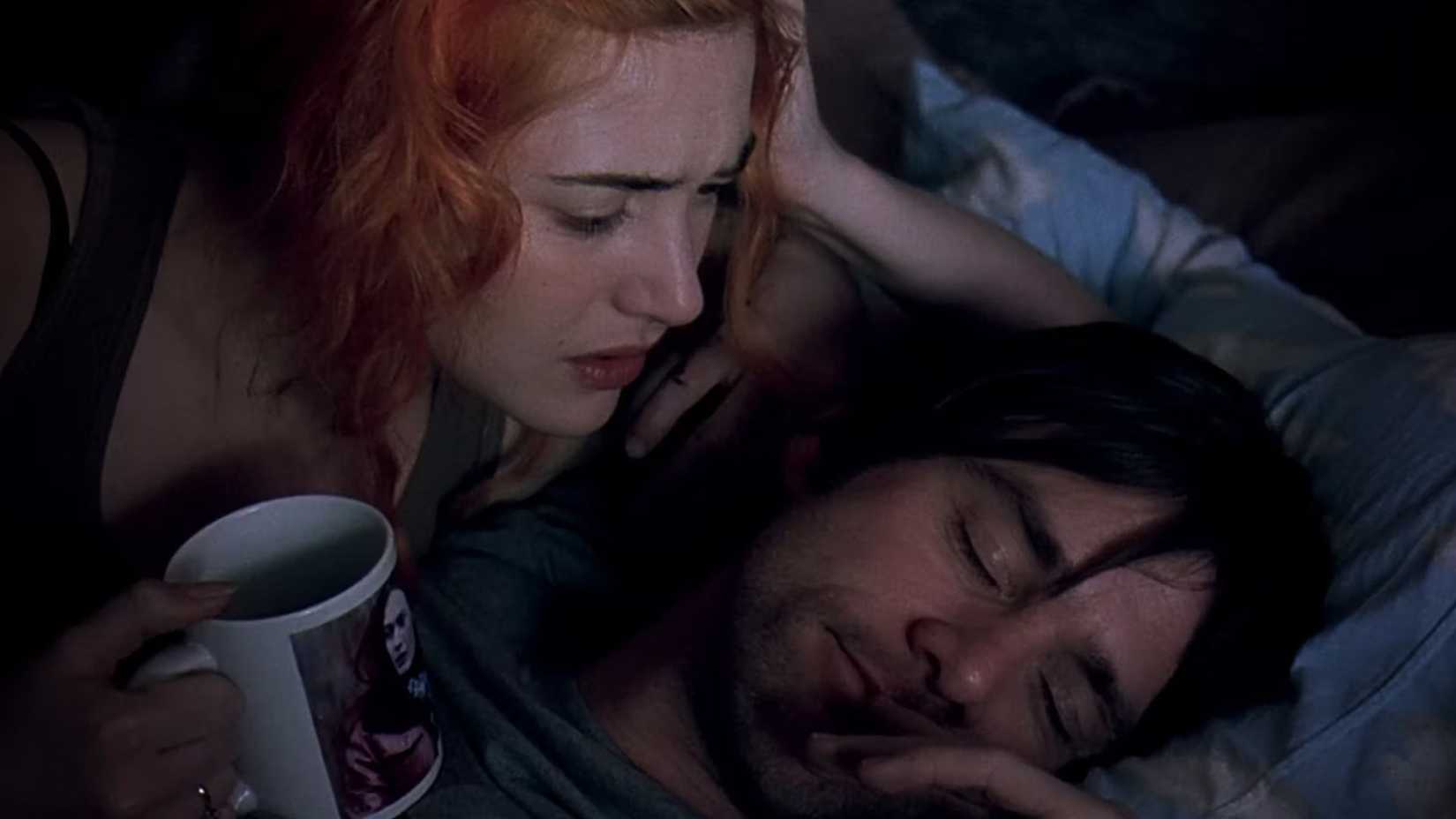
Michel Gondry and Charlie Kaufman’s modern classic, Eternal Sunshine of the Spotless Mind, is a surrealist sci-fi about the perseverance and insistence of true love. Often remembered as a poignant, triumphant love story about two people destined to find each other no matter what, it’s actually a harrowing story of self-deception and destructive decision-making.
Unpicking what actually happens to the characters you get a truly bleak portrait of toxic human codependency. Absolutely nobody in this movie is at all healthy. Jim Carrey’s Joel and Kate Winslet’s Clementine are deeply flawed, damaged individuals who actively destroy one another when together. They are demonstrably better off apart, and yet the bittersweet final sequence when they agree to try again is supposed to be uplifting. Originally, the script explicitly revealed that they were actually trapped in an endless cycle of repeatedly erasing their memories and coming back together. Which would be romantic if it wasn’t so f*cked.
5 Back To The Future

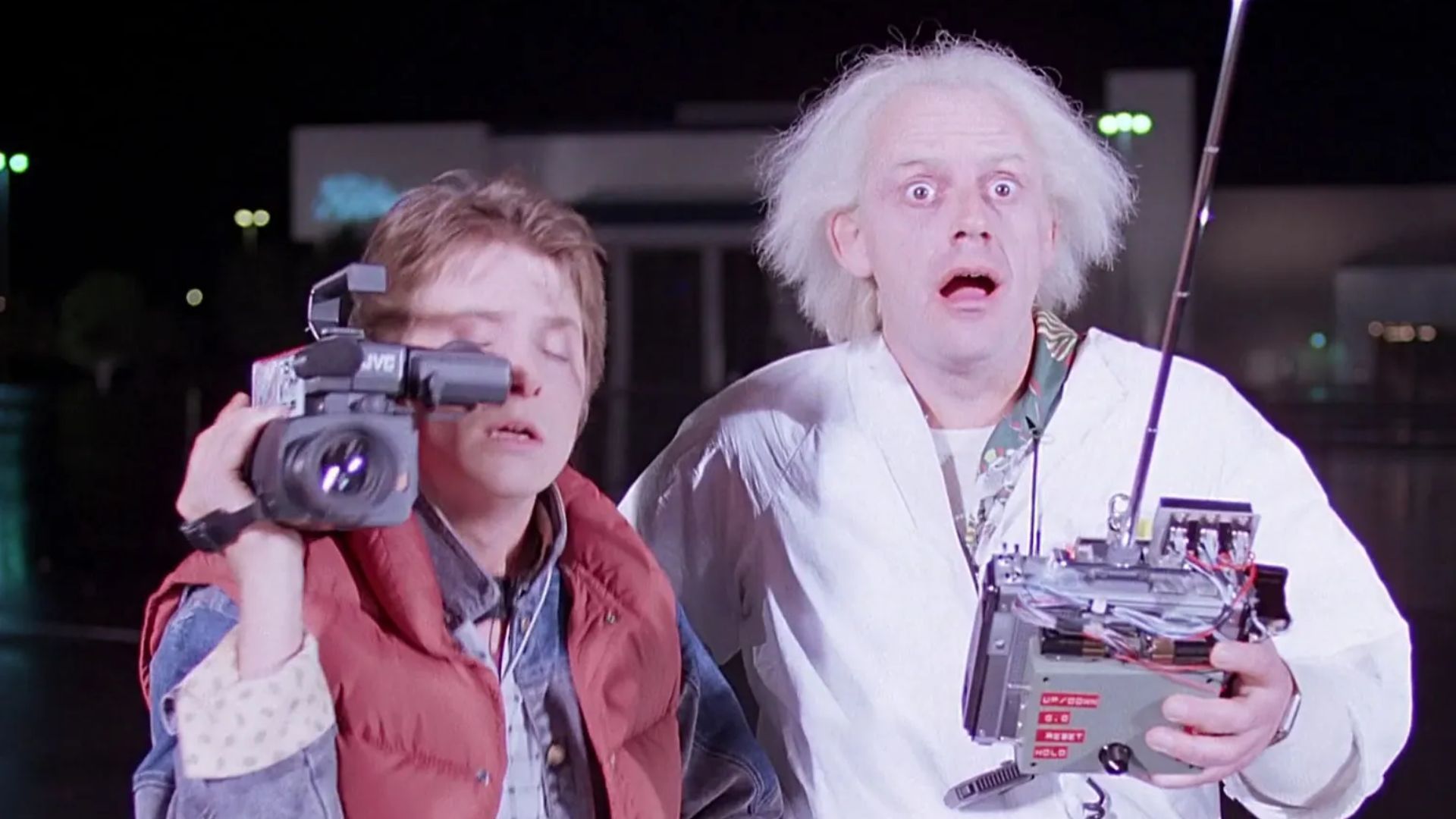
Nostalgia clouds Robert Zemeckis’s Back to the Future in a comforting blanket of uplifting charm that hides how dark it actually is. The 1985 time travel masterpiece is arguably one of the most perfectly constructed stories in cinema history, and it made instant icons of its lead actors and their characters, as well as transforming the image of the DeLorean from a misguided financial albatross to one of the coolest cars in movie history. Who knew coming within seconds of hitting incestuous second base with your own mother could be so culturally significant?
Let’s look at the questionable elements: Dr. Emmett Brown is an unhinged mad scientist with a very possible death wish, who endangers a teenager and is then brutally mown down by Libyan terrorists. The McFlys are brutalized by the reign of terror of Biff Tannen, and appear deeply unhappy: Marty’s mother is an avowed alcoholic, his father a failure, and he is destined for a life just as miserable. But even when Marty completely messes with the timeline, via the revelation that his father is a teenage pervert, his mother a sex-starved reprobate and some questionably close sexual activity with said mother, the happy ending he achieves is also incredibly dark.
Marty has no idea what his life is: yes, the new versions of his family are rich and successful, and not alcoholic, but Marty has no relationship with the new sanitized strangers, and he’s just wiped out every one of his closest loved ones.
4 Starship Troopers
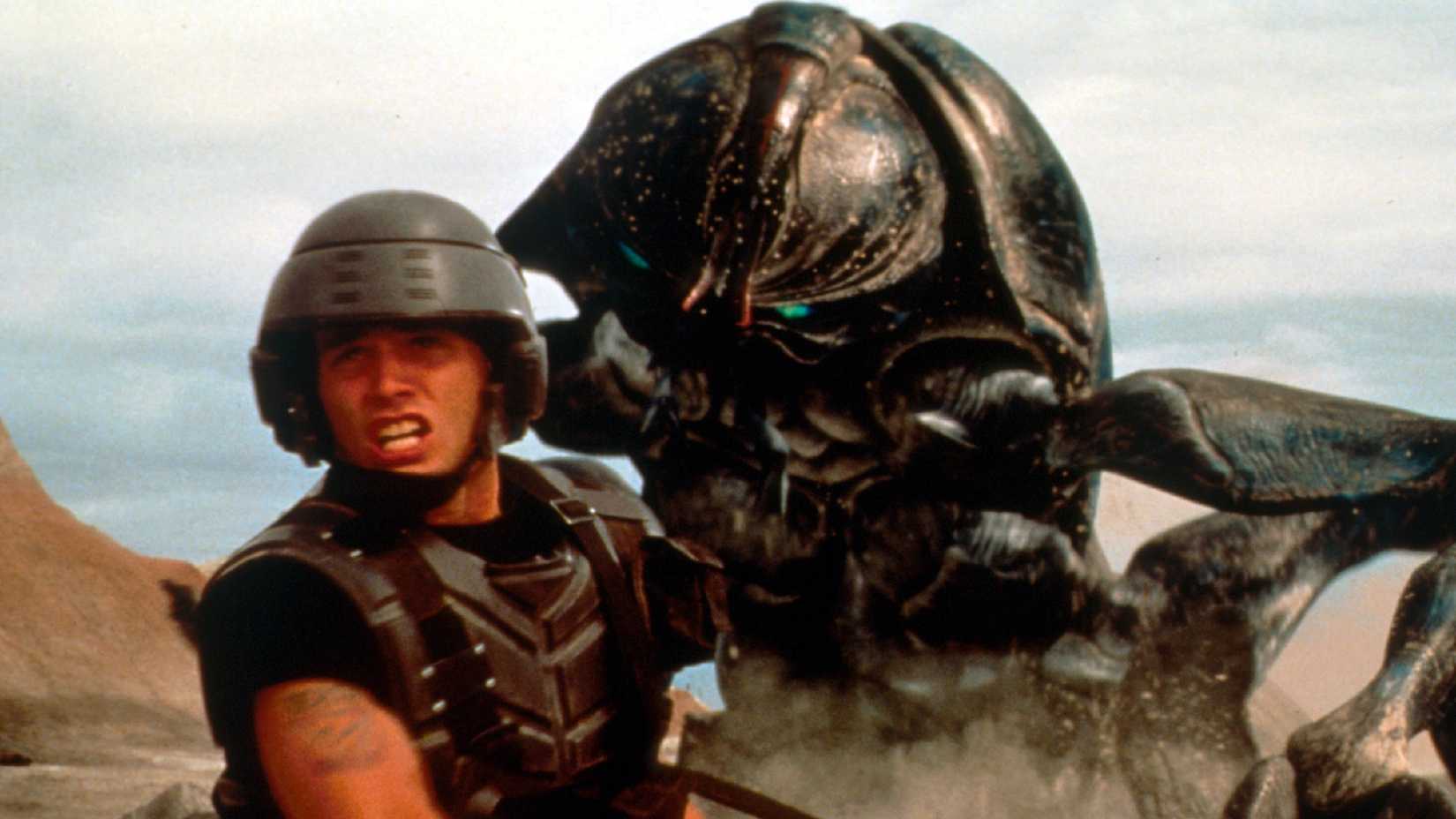
Paul Verhoeven’s cult sci-fi gem, Starship Troopers, was painfully misunderstood on release as a mindless creature feature with a little too much affection for violence. Over the subsequent years, a reappraisal has rightly corrected those misconceptions and it’s been reassessed as a great movie. But it’s still a lot darker than you probably remember.
As a razor-sharp satirical criticism of America’s jingoistic military fetish it’s very unforgiving, with a particularly pertinent focus on colonization and empirical expansion into hostile territories that prompts retaliation. In today’s political climate, that story has been granted added weight, with eternal moral conflict over several major global conflicts and America’s involvement.
Starship Troopers is also a bleak portrait of how fascist military machines treat the youth, as we watch Casper Van Dien’s Johnny Rico and his fellow recruits - all categorized by their usefulness based on intellect and aptitude - fed into the meat grinder of war. The violence is harrowing, but the underlying message is far removed from the oft-assumed image of a muscle-bound sci-fi actioner.
3 The Matrix

Nobody’s out there saying The Matrix is a heartwarming walk in the park, but the typical Chosen One story rather glosses over the reality that Keanu Reeves’ Neo is completely screwed by the events of the Wachowskis' revolutionary 1999 sci-fi. Presented with the choice between the continuity of ignorance or the revelation of “the truth,” Neo chooses the red pill, and wakes up in a dystopian nightmare that completely crumbles his world instantly.
Obviously, the story is geared around the idea that knowing the truth is better than not, and it’s all very stylish, but Laurence Fishburne’s Morpheus just outright tricks Neo into choosing what he wants him to by not revealing any details about the Matrix or the real world. He suckers him into throwing away his blissful ignorance, on the basis of blind faith, and condemns him to pain, misery, and an almost impossible challenge to save everyone. And the darkest reveal of all is that the dystopian world Neo wakes up in was created by humans scorching the sky, desperately trying to win the war and failing. Nice uplifting message as we stand on the precipice of unprecedented technological progress in real life...
2 Wall-E
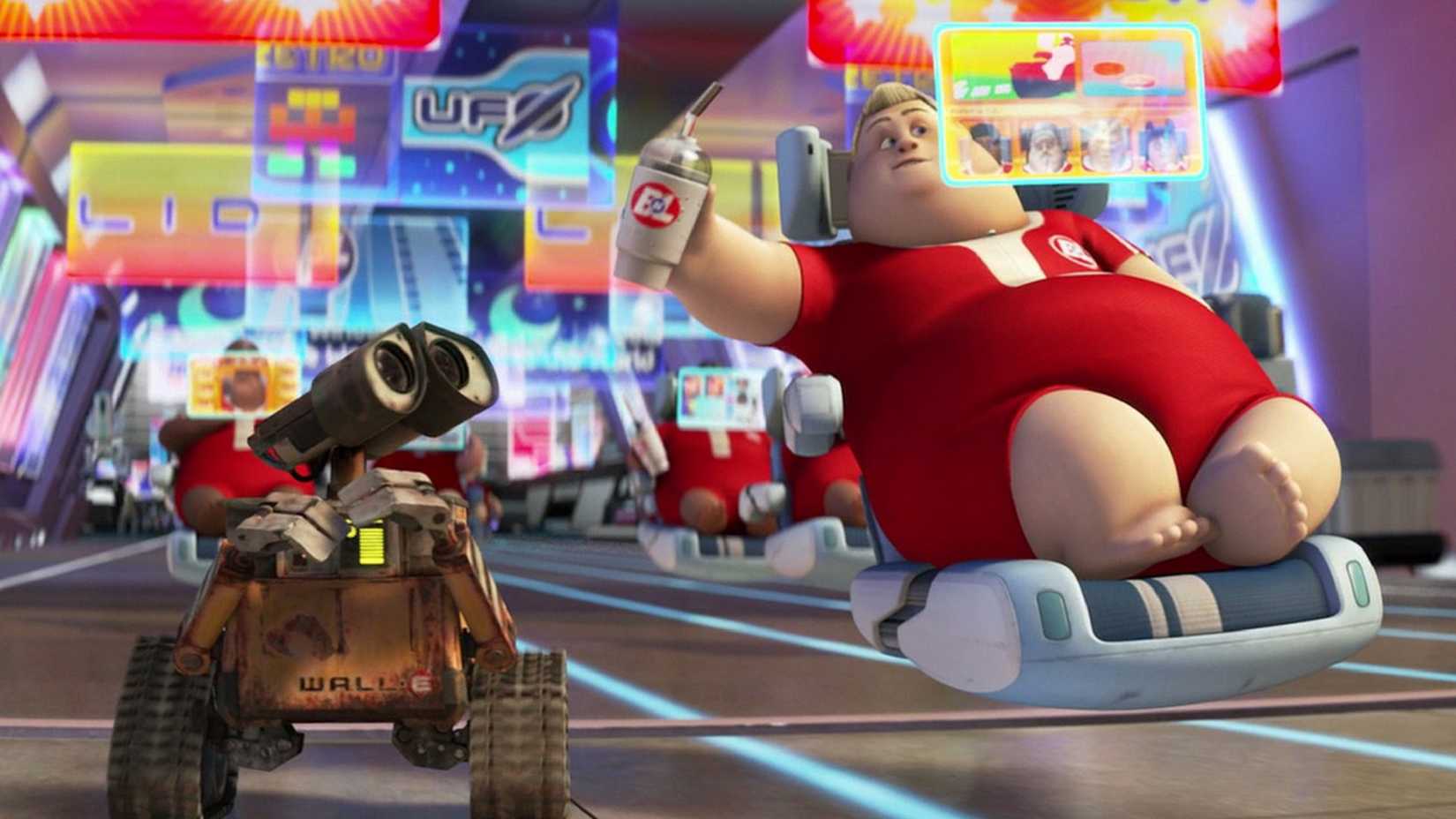
Pixar’s WALL-E is a masterclass in simple visual storytelling which barely had to rely on any dialogue for most of its runtime. Rightly showered with accolades and acclaim, the touching story of a robot whose only desire is connection in a lonely dystopian future world is still a joy to watch. The fact that Pixar managed to make the love story of a trash compactor and a glorified iPod so compelling is shining testament to their storytelling prowess.
So too is the fact that we all miss the dark reality of the happy ending we were fed in 2008. WALL-E is terrifying enough as an ecological warning about humanity’s careless mistreatment of planet Earth, and now that AI is making the reality of blob-like humans who exist only to be fed mindless entertainment with zero free will or individuality seem horrifyingly close, it’s all got even darker. But even putting that aside, WALL-E’s ending suggests hope for Earth’s returning residents, when the reality is that the planet remains uninhabitable, beset by dangerous sand storms, and still completely covered in rubbish.
Humanity has devolved into helpless, hyper-consumptive infants with zero physical independence and entirely reliant on a corporate monolith. Shutting that off after seven hundred years is unthinkable, and none of the humans, despite their spirit, are in any way equipped to do anything but die pathetic deaths very quickly.
1 Idiocracy
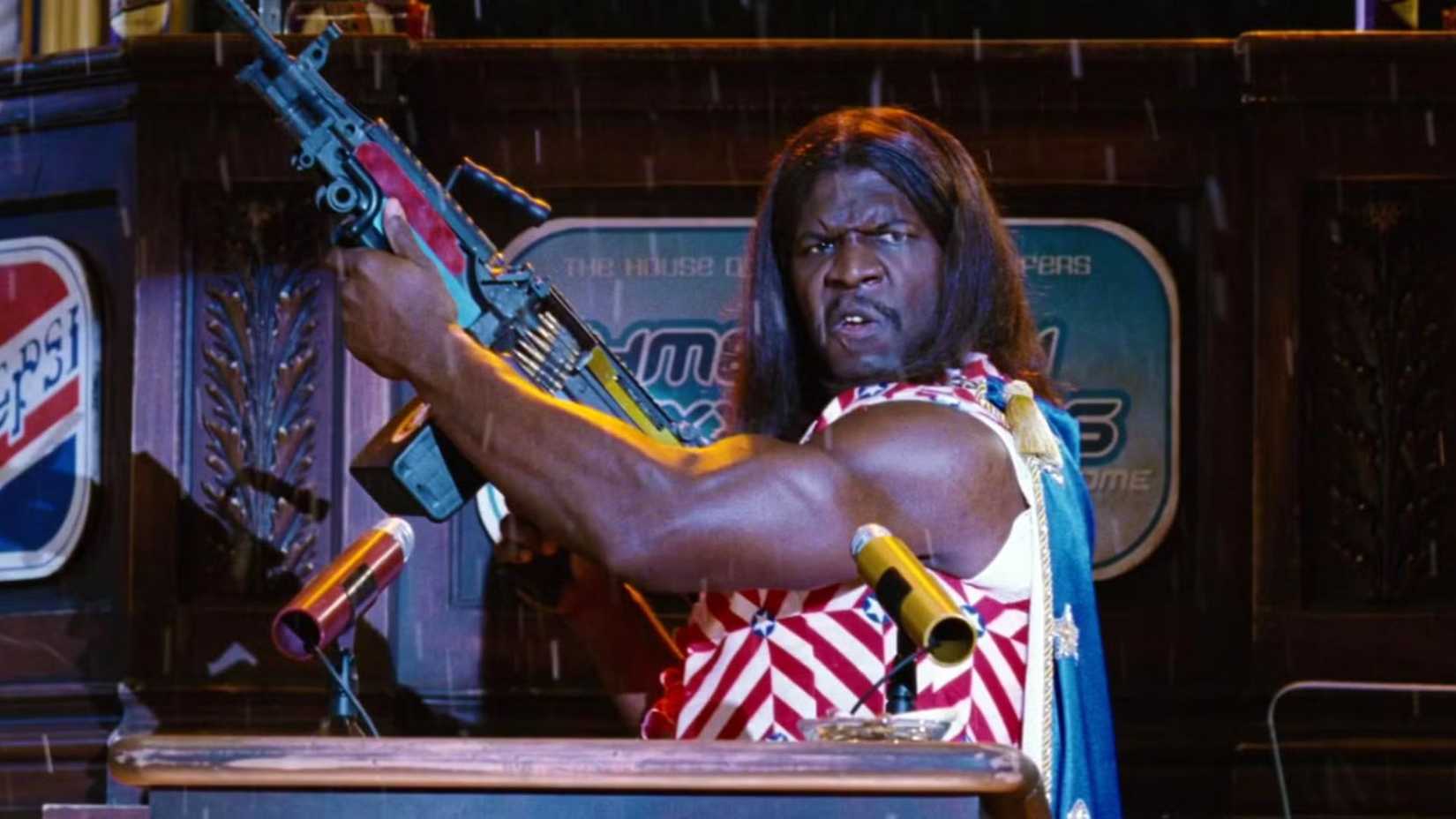
20 years ago, watching Mike Judge’s 2006 cult classic, Idiocracy, as a hyper-inflated satire of the exaggerated end result of the worst human behaviors was one thing, but watching it in 2026 as we’ve got desperately closer to it being a documentary is a whole other nightmare. It’s particularly disturbing how such a farcical sci-fi fantasy is now frequently cited in modern political commentary. Not alarming at all.
It might have once been absurdist, but now Idiocracy feels like a Don’t Look Up style parable screaming warnings at us that way too many people are ignoring. And the closer we get to this particular brand of societal collapse, the less funny it all gets.
KioskNews shows a cleaned-up reading view extracted from the publisher’s page — the original always lives on their site, not ours.